
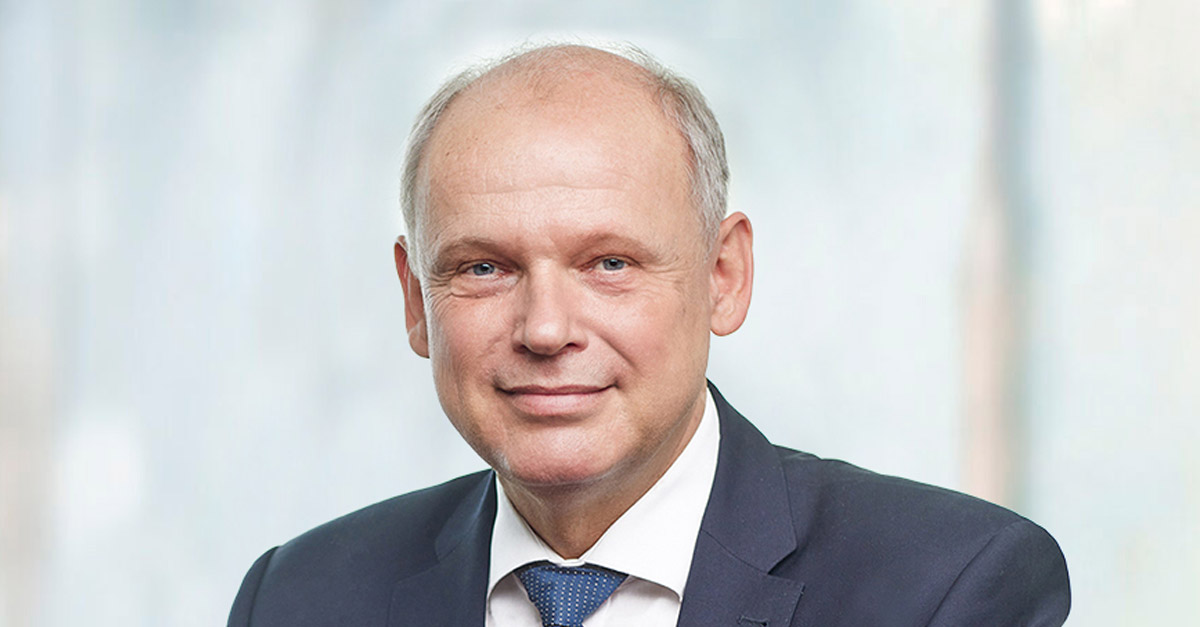

Tui Group’s chief executive, Sebastian Ebel, has raised concerns about Germany’s aviation policies. His comments highlight the challenges posed by “regulatory madness and bureaucracy.” Ebel suggests these issues hinder growth.
Sebastian Ebel, the CEO of Tui Group, voiced sharp criticism against the German government for its handling of aviation policies. At the heart of his discontent lies what he describes as “regulatory madness,” a set of convoluted regulations that he argues stifle the growth of companies like Tui. Ebel calls for a re-evaluation of these policies, emphasising the need for a more stable and reliable regulatory framework, reminiscent of the stability Germany has long been known for.
Ebel particularly objects to the German government’s recent decision to increase taxes on air tickets, which he deems as rash and poorly timed. This move, according to Ebel, came at a time when air tickets were already booked, adding unnecessary costs and complexity for travellers and businesses alike.
Ebel also addressed the German government’s commitment to sustainable aviation fuel (SAF). Initially, the government pledged €2 billion towards SAF development, a promising step towards greener aviation. However, this support has been drastically cut to €17 million, a decision Ebel finds both disappointing and counterproductive.
According to Ebel, the substantial reduction in support reflects a significant policy shift that undermines progress towards sustainable aviation. He argues that it would have been more honest for the government to cancel the support altogether rather than make such a meagre commitment.
Ebel’s criticisms underscore the broader challenges facing sustainable aviation initiatives, not just in Germany but across Europe. The inconsistency in policy support hinders the development and adoption of SAF, a critical component in reducing carbon emissions in the aviation sector.
In a significant development, Tui shareholders overwhelmingly voted to delist from the London Stock Exchange, opting instead for a sole listing in Frankfurt. This decision reflects a strategic move towards centralised trading, aimed at streamlining operations and aligning with EU regulations.
Chief Financial Officer Mathias Kiep stated that trading of Tui shares had predominantly migrated to Germany, making the Frankfurt listing more beneficial. The streamlined structure centralises liquidity and simplifies compliance with EU ownership and control mandates, while the UK remains a crucial market.
Despite these changes, Tui reassures that its strategy in the UK will remain unchanged, maintaining a strong commitment to this key market.
Ebel’s critique raises fundamental questions about the balance between regulation and industry freedom. His demand for regulatory reforms reflects a broader industry sentiment seeking less bureaucratic hindrance and more proactive support.
The call for transparency and fairness in the regulatory landscape is not new but has gained renewed urgency amidst growing economic and environmental challenges. Ebel’s position illustrates the ongoing tension between regulatory intent and practical business needs.
As Europe navigates these regulatory challenges, the focus must shift towards crafting policies that address both immediate and long-term industry needs, fostering an environment of growth and sustainability.
Sebastian Ebel’s criticisms of German aviation policies highlight significant regulatory challenges. His calls for reform seek a balance that supports growth and sustainability in the aviation industry.
