
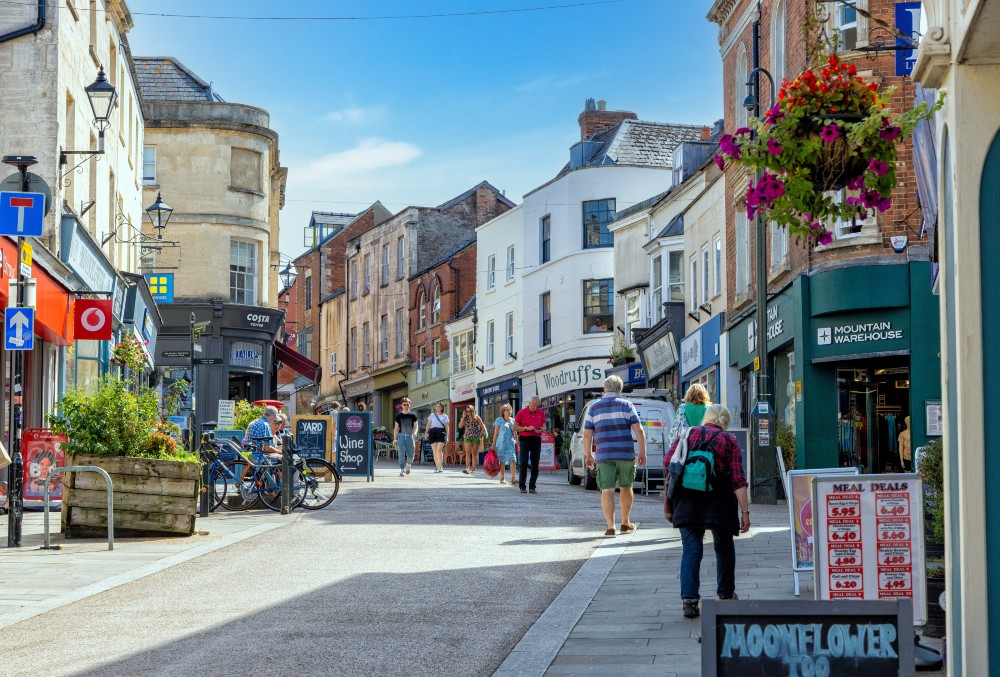

In July, the UK’s retail sector experienced a slight year-on-year growth of 0.5%.
Despite this overall positive trend, non-food sales saw a significant decline, dropping by 1.7% compared to the previous year.
The British Retail Consortium (BRC) released the latest retail sales figures for the four weeks from 30 June to 27 July, revealing a year-on-year increase of 0.5% in total retail sales. However, non-food sales fell by 1.7%. Helen Dickinson, BRC’s chief executive, attributed this growth to the late arrival of British sunshine, which spurred demand for summer clothing and health and beauty products. Dickinson highlighted that consumers’ spending on holidays and entertainment squeezed out sales of indoor goods such as furniture and household appliances.
Linda Ellett, UK head of consumer, retail and leisure at KPMG, noted that household spending remains heavily influenced by whether families can absorb increased costs, such as mortgages and rent, or need to limit spending elsewhere. While some sectors are experiencing wage growth, others are cutting jobs, prompting concerns about financial security and reliance on savings should employment situations change. This reflects a complex economic landscape impacting consumer choices.
With political uncertainty post-election receding, the UK government is advancing schemes to stimulate economic growth. Retailers are now considering their investment strategies, with a keen interest in the forthcoming Autumn Budget. Many seek relief from business rates rises under the new Labour government and anticipate further details on comprehensive reform of the business rates system as promised in Labour’s manifesto. These developments are crucial for retailers planning future financial strategies.
The retail sector has seen notable changes in consumer preferences, particularly in the demand for outdoor and recreational items due to improved weather conditions. In contrast, indoor goods sales, including household appliances and furniture, have seen a decline. This shift reflects broader trends where consumers prioritize spending on experiences and leisure over home improvements or furnishing purchases.
The UK’s economic landscape remains uncertain, impacting retail dynamics. As some sectors achieve wage growth, others face significant job cuts, creating a mixed environment for spending. The BRC and other stakeholders are watching these trends closely to adapt strategies and ensure stability. Retailers remain wary of factors like rising operational costs and shifting consumer behaviours, necessitating agility and innovation in operations.
Retailers are actively adjusting their strategies in response to these challenges. Emphasising diverse product offerings that cater to changing consumer demands is essential. Moreover, the potential reforms in business rates present a significant opportunity for operational cost savings. By aligning strategies with consumer trends and governmental policies, retailers aim to navigate the evolving economic landscape effectively.
As retail sales show modest growth, the focus shifts to strategic adaptations in the sector. The evolving consumer preferences, coupled with economic pressures, require targeted responses from retailers. Understanding these dynamics will be key to sustaining growth and ensuring competitiveness in a challenging market environment.
The retail sector’s modest growth in July highlights the need for strategic evolution.
Retailers must adapt to changing consumer preferences and economic conditions to maintain competitiveness.

