
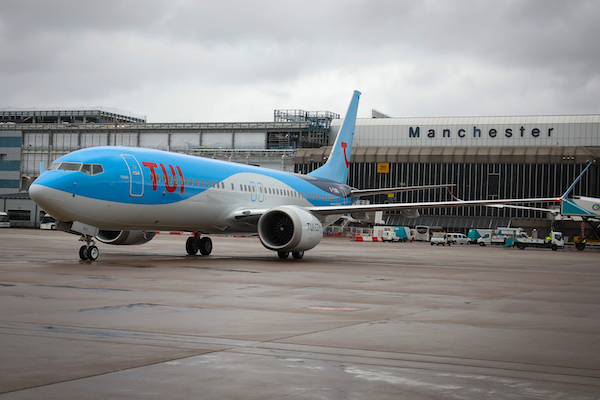

Tui operations are heavily impacted by a recent global IT outage. As a result, the rescheduling of return flights extends throughout the week, with numerous flights affected.
Passengers originally set to return over the past weekend face altered itineraries, with adjustments extending through Thursday. Dissatisfaction grows as flight plans are reshaped, impacting various destinations globally.
Extent of the Disruption
The impact of the IT failure at Tui is extensive, resulting in the rescheduling of return flights reaching nearly a week-long delay. Various flights slated for the weekend have been affected, with new schedules leading up to Thursday. This has led to significant changes in arrival airports as well.
As per the latest news, a flight initially set to arrive in Newcastle from Antalya will now land in Manchester on 25th July. Subsequently, Tui will provide transportation for passengers to their original destinations, showcasing the domino effect of the operational disruption.
Further complicating matters, a Dalaman to Manchester service, initially scheduled, is delayed until Thursday. Other flights have faced similar fates, plunging passengers into frustration and uncertainty.
Changes in Airport Arrivals
Alterations to flight schedules have included shifts in arriving airports, posing inconvenience for travellers. Affected flights include a delayed service from Birmingham to Manchester, initially departing from Montego Bay, Jamaica. Passengers will receive ground transport to their intended destinations.
Similarly, a Tenerife to Gatwick flight has been redirected to Manchester, with onward travel support offered to reach London. The reshuffling of flights, including a Luton flight from Tunisia now heading to Manchester, highlights the profound impact of the IT meltdown.
Communication and Apologies
Tui has updated its UK website to reflect 26 revised inbound flights originating from multiple global destinations, including Spain, Turkey, Croatia, Egypt, Cyprus, Greece, and Jamaica.
The airline has issued a formal apology, acknowledging the disruption to travel plans. They have committed to reimburse customers for reasonable expenses incurred during extended stays, provided receipts are submitted.
Customer Reactions and Social Media
Customer dissatisfaction is evident across social media platforms. Posts highlight frustrations over holiday cancellations and significant delays.
Sutton Travel, while unaffected directly, shared a poignant sentiment on platform X, referencing the disappointment felt by families discovering last-minute cancellations. This sentiment echoes the wider frustration circulating amongst affected passengers.
Tui remains proactive and extends support, offering to reimburse costs for those opting to arrange alternative travel through another airline, demonstrating a customer-focused approach amid crisis.
Company’s Pledge for Compensation
Tui’s commitment to handle the fallout from the IT glitch involves compensating stranded passengers for additional travel-related expenses. Their assurance to cover hotel bills, meals, and other reasonable costs provides some relief amidst the ongoing issues.
The company’s policy allows passengers finding alternate flights with other carriers to claim reimbursements. While this is practical, some customers remain dissatisfied with the handling of the cancellations and rerouting.
Operational Challenges and Resolution
Addressing the backlog and ensuring smooth operations remains a priority for Tui, who are currently coordinating resources to restore normalcy to flight schedules. Continuous updates and customer assurances form part of their strategy to mitigate fallout.
The organisation is keenly aware of the reputational stakes involved and remains transparent in communications, striving to maintain trust and customer loyalty by delivering solutions and support.
Looking Ahead
The situation underscores the fragile nature of global IT infrastructure in airline operations. Tui’s experience serves as a critical reminder of the need for robust contingency planning.
Moving forward, stakeholders are likely to push for enhanced systems that offer resilience against such widespread disruptions. The focus sharpens on ensuring passenger convenience and operational reliability in similar future scenarios.
Tui’s experience with the IT disruption underscores the vulnerability of interconnected systems in global travel. As operations strive to normalise, the emphasis remains on passenger satisfaction and transparent communication.
Such incidents highlight the critical need for improved technological safeguards and contingency measures, essential for maintaining harmony in travel operations and protecting customer interests.

