
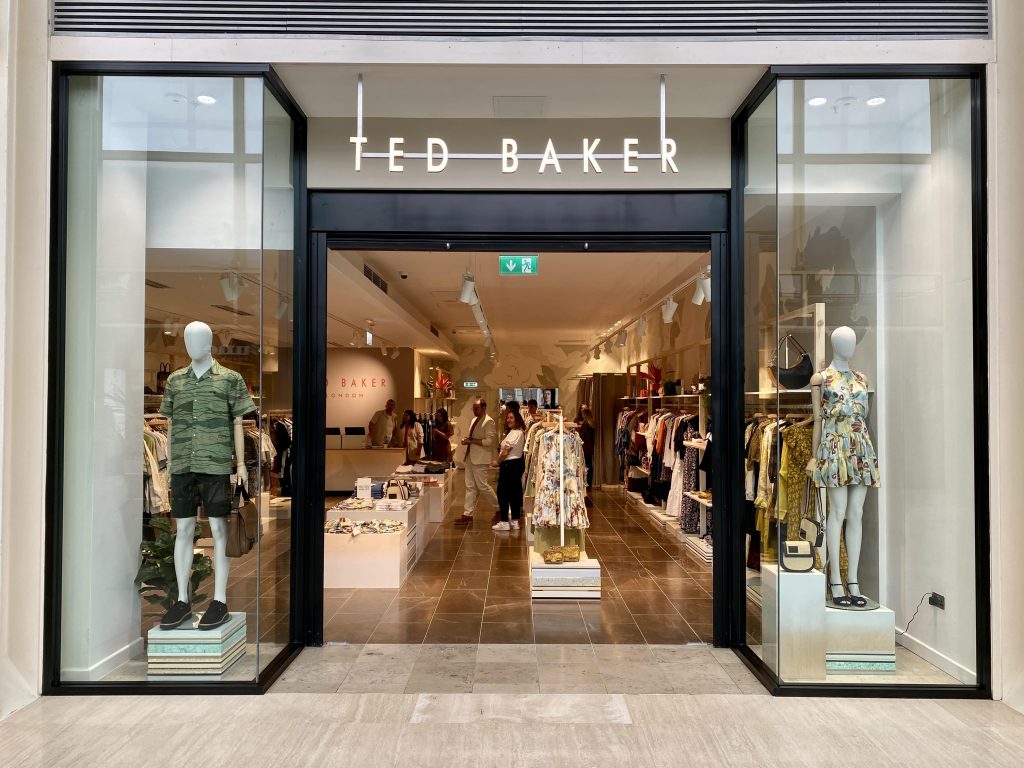

Ted Baker, the renowned fashion retailer, is poised to shutter its final 31 stores. This decision marks a significant shift in the company’s operational landscape.
With around 500 jobs at stake, the closure highlights the instability surrounding the future of Ted Baker under the current ownership and potential acquisition talks.
Tomorrow, Ted Baker will see the closing of its last 31 stores, marking an end to its physical retail presence. This comes amid inconclusive talks with potential buyers, leaving employees and stakeholders in a state of uncertainty regarding the brand’s future.
In March, Ted Baker was operating 46 stores across the UK and Europe, employing 975 individuals. With the closures, nearly half of these jobs are now at risk, intensifying concerns over the company’s trajectory.
Ted Baker’s UK website ceased operations earlier this month, further indicating the brand’s operational struggles. These closures underscore the difficulties in securing new operating partners.
Administrators at Teneo have expressed that without a viable operational plan, the continuation of the brand in the conventional retail format appears unlikely. This sentiment resonates with affected staff who face job losses.
The group’s current predicament highlights the complex nature of retail management and restructuring, especially for brands with an established market presence.
The decline of such a well-known brand reflects ongoing struggles within the UK retail sector, as companies struggle to adapt to a rapidly changing market environment.
While the current scenario appears dire, there remains some hope for Ted Baker’s revival through strategic partnerships or online platforms.
The imminent closure of Ted Baker stores signals a pivotal moment for the brand and highlights broader challenges in the retail sector.
Amidst uncertainty, the focus now shifts to potential future strategies that could revive the brand and navigate it through these turbulent times.

