
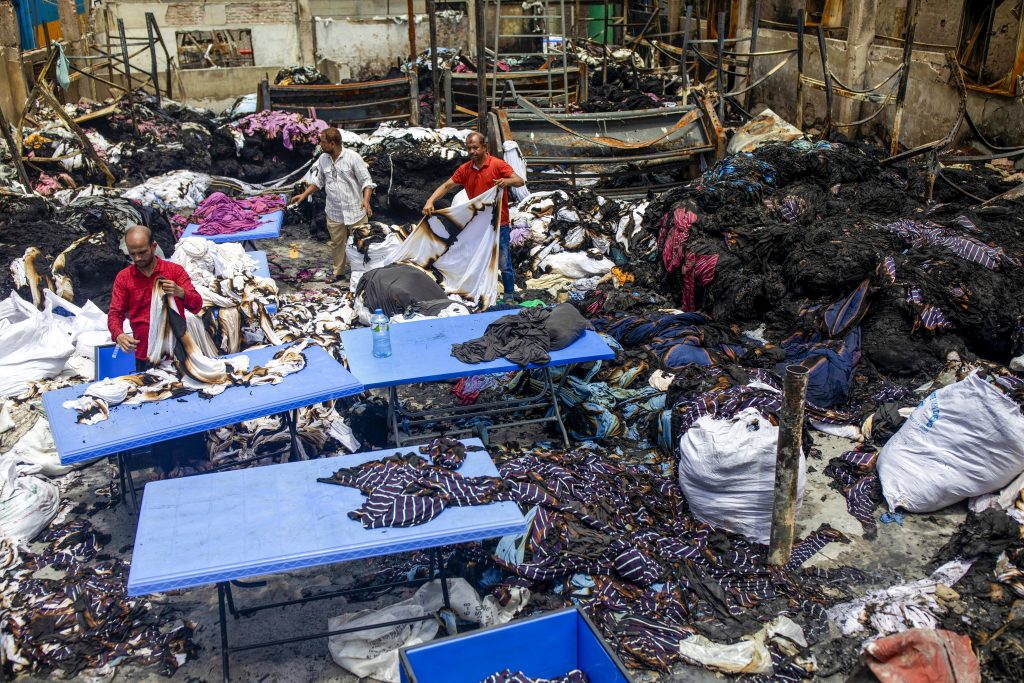

The garment industry in Bangladesh, a crucial component of its economy, is enduring significant challenges due to delayed payments and unexpected disruptions.
Recent protests have exacerbated these issues, leading to a temporary halt in manufacturing activities, affecting both production schedules and financial stability for workers.
Protests in Bangladesh have brought severe disruptions to the garment industry. The sudden halt in production led to a significant financial setback estimated at $150 million. Trade unionists highlighted that these disruptions coincided with critical shipping periods for major seasonal orders, intensifying the industry’s challenges.
Many workers are logging excessive overtime hours to compensate for the slowdown. The workers’ financial well-being remains precarious as the industry negotiates both internal and external pressures.
International bodies, including the Ethical Trading Initiative, stress the importance of adhering to labour standards. They advocate for responsible purchasing to alleviate the damaging ripple effects on workers.
Choudhury noted that the location of several factories in flood-prone areas poses a persistent risk. This exacerbates the struggle to maintain timely production schedules amidst natural and economic challenges.
Mostafiz Uddin, from the Bangladesh Apparel Exchange, remains optimistic, citing restored international confidence following governmental shifts. Efforts to enhance responsible purchasing practices have begun to yield promising results.
Strategies to fortify the industry are vital. A concerted effort from governmental bodies and international partners is needed to secure long-term resilience and prosperity for the sector.
In conclusion, the garment industry in Bangladesh stands at a crossroads, battling multiple adversities. With continued support from global bodies and definitive leadership, there is hope for recovery and growth.
In facing these complex challenges, the resilience and adaptability of Bangladesh’s garment sector remain pivotal. Continued advocacy and international cooperation are key to ensuring a sustainable future for this critical industry.
