
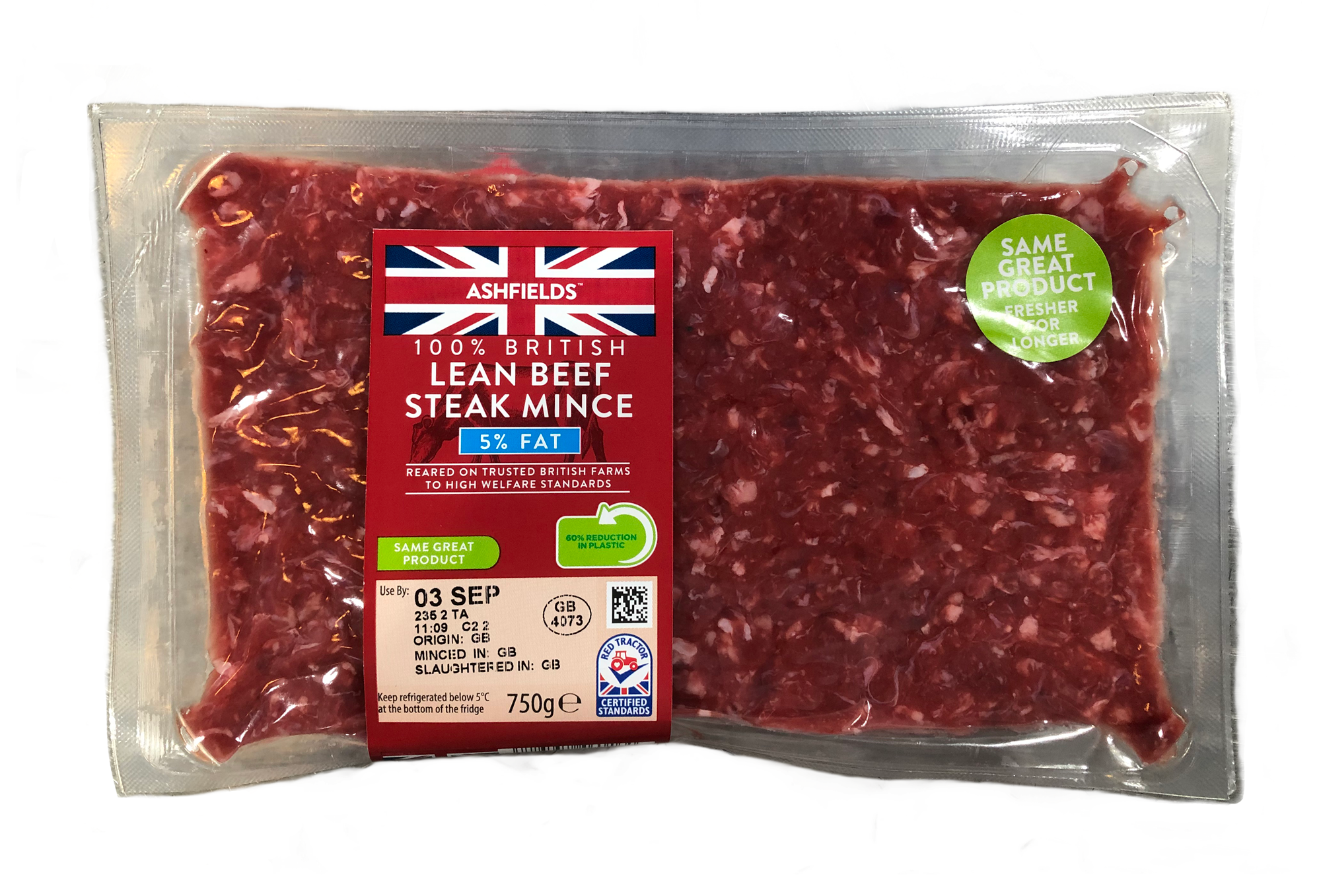

Aldi is launching a significant trial to test vacuum and flow-wrap packaging for beef mince, aiming to slash plastic usage by up to 73%. This innovative step seeks to address environmental concerns while maintaining product quality for consumers.
The trial, currently active in various locations, will assess consumer preferences and the effectiveness of the new packaging methods. By employing vacuum and flow-wrap techniques, Aldi seeks to minimize environmental impact without compromising the quality of its beef mince offerings.
This initiative is part of Aldi’s broader efforts to reduce plastic waste and enhance sustainability. The new packaging eliminates the need for a paper lining and avoids carbon dioxide use, promising increased beef freshness and extended shelf life.
The trial is operational in select stores across Northamptonshire, Leicestershire, Shropshire, Staffordshire, Warwickshire, the West Midlands, and Worcestershire. This initial phase will guide the rollout of the flow-wrap approach this November.
The strategic choice of areas aims to gather diverse consumer feedback, crucial for evaluating the packaging’s reception and potential environmental impact.
Adopting vacuum packaging, already seen with other retailers, represents a substantial shift towards sustainability in the grocery sector. Co-op and Lidl have also embraced similar technologies, underscoring a growing industry trend.
While Sainsbury’s faced customer reluctance with vacuum-sealed meat, Aldi aims to address these concerns by ensuring quality is maintained. Feedback from these trials will be instrumental in shaping future adoption strategies.
Some customers have expressed dissatisfaction with the texture of vacuum-packed mince, describing it as resembling ‘mush’ or ‘dog food.’ This feedback highlights the challenges retailers face in balancing sustainability and consumer expectations.
Aldi, acknowledging these concerns, believes in the benefits of reduced plastic usage. The trials are pivotal in determining customer satisfaction and the feasibility of broader implementation.
Aldi’s initiative contributes to the wider trend of reducing plastic in the food industry. This aligns with the retailer’s commitment to becoming more eco-friendly and resonates with a growing consumer demand for sustainable practices.
Such measures can significantly lower plastic consumption and food waste, setting examples for other brands to follow. Aldi’s actions may encourage further innovation within the sector.
Despite potential hurdles, such as consumer resistance, Aldi is optimistic about the trial’s success. The company’s proactive approach in addressing environmental issues exemplifies leadership within the industry.
These trials may not only alter Aldi’s packaging norms but could also influence broader industry practices. The insights gathered could lead to innovations that benefit both consumers and the environment.
If successful, this trial could lead to a full-scale implementation of vacuum and flow-wrap packaging across Aldi’s stores. This would mark a significant advancement in the retailer’s sustainability initiatives.
Aldi’s trial of vacuum and flow-wrap packaging for beef mince represents a forward-thinking approach to sustainability. By exploring innovative packaging solutions, Aldi addresses environmental concerns and sets a potential precedent for industry practices.
