
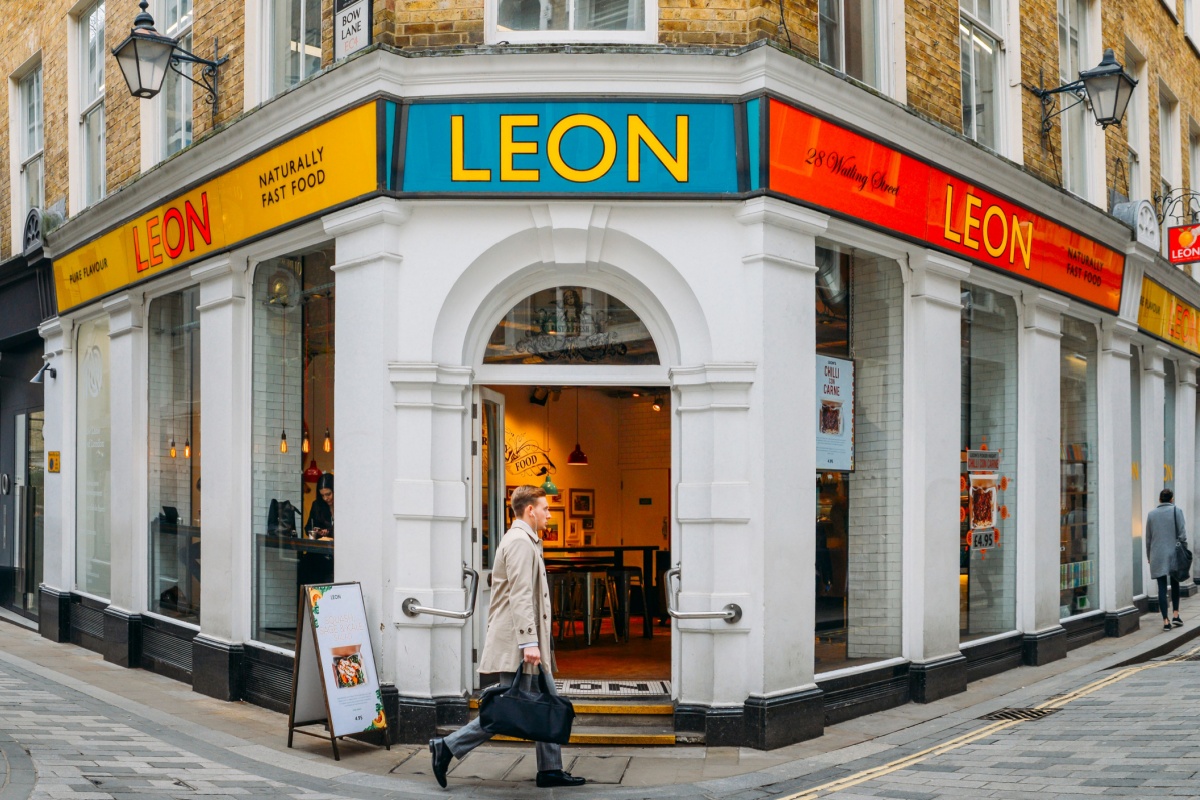

Leon has introduced a new coffee subscription, venturing into a competitive market with a £25 monthly offer. This move positions Leon against industry giants, aiming to attract consumers seeking both value and quality.
Subscribers can enjoy up to five hot drinks daily, alongside a 20% discount on specific dining options. This initiative reflects Leon’s strategy to adapt to evolving customer preferences, focusing on flexibility and savings.
Leon’s Strategic Move in Coffee Services
Leon has officially unveiled its ambitious coffee subscription service as a direct response to shifting consumer behaviour. The service, named ‘Roast Rewards,’ is priced competitively at £25 per month, offering significant value in today’s market. Subscribers receive up to five hot beverages each day, which positions Leon distinctively in the hospitality sector.
This strategic initiative not only challenges the current market leader but also taps into the growing consumer demand for affordability without compromising on quality. Leon is effectively capturing a niche of price-sensitive customers who value frequent coffee purchases.
The inclusion of discounts on breakfast and lunch items presents an integrated offer that enhances customer loyalty through additional savings. This approach underscores Leon’s commitment to offering comprehensive benefits to its clientele.
Consumer Convenience and Quality
In today’s fast-paced world, consumers are increasingly prioritizing convenience and quality in their purchases. Leon’s new service provides a seamless way for customers to access their favourite beverages. This setup is tailored to modern-day urban lifestyles, ensuring availability and accessibility.
Such initiatives illustrate Leon’s understanding of market dynamics and its focus on customer-centric strategies. As a result, the brand strengthens its competitive position by recognising and meeting the expectations of its customer base.
Comparative Analysis with Competitors
Pret A Manger’s longstanding coffee subscription has set a benchmark within the industry, albeit not without its challenges.
The recent price increase to £30 per month and app login requirements have sparked some discontent among Pret’s users. These changes have highlighted critical differences between Pret and Leon.
The contrast in subscription management and customer relations showcases Leon’s potential advantage in providing not just an affordable option, but also a more user-friendly experience.
Challenges Faced by Pret A Manger
Pret A Manger has encountered operational hurdles in maintaining its subscription service. A significant issue arose from subscription sharing among customers, leading to potential revenue losses.
Moreover, Pret’s response involved introducing stricter app login requirements, which inadvertently impeded user experience.
This scenario has indirectly benefited Leon, whose streamlined and less cumbersome approach may appeal to the disillusioned Pret customers.
Loyalty Scheme Integration with Roast Rewards
Leon’s initiative includes a unique element: integration with the existing loyalty programme. Users accumulate points, gaining further incentives beyond regular discounts.
This loyalty scheme fosters a deeper connection between the company and its patrons, promoting sustained engagement through a sense of value.
The incorporation of a points-based system encourages repeated interactions, enhancing both customer satisfaction and business profitability.
Future Prospects of Coffee Subscriptions
The coffee subscription model presents an intriguing future for fast food chains aiming to diversify their offerings. Leon’s foray into this domain may encourage similar ventures.
As consumer patterns continue to evolve, businesses that respond swiftly to such shifts are likely to reap substantial benefits.
Leon’s strategy could set a precedent for future industry developments, establishing a new norm in customer engagement and retention.
Leon’s entry into the coffee subscription landscape signifies a broader industry trend towards enhanced consumer experience. Their approach in balancing cost-effectiveness with quality could reshape market dynamics.
This move is indicative of a larger shift in retail strategies, where businesses seek to innovate in alignment with consumer needs. Leon’s initiative may well prove pivotal in redefining customer relationship paradigms.
