
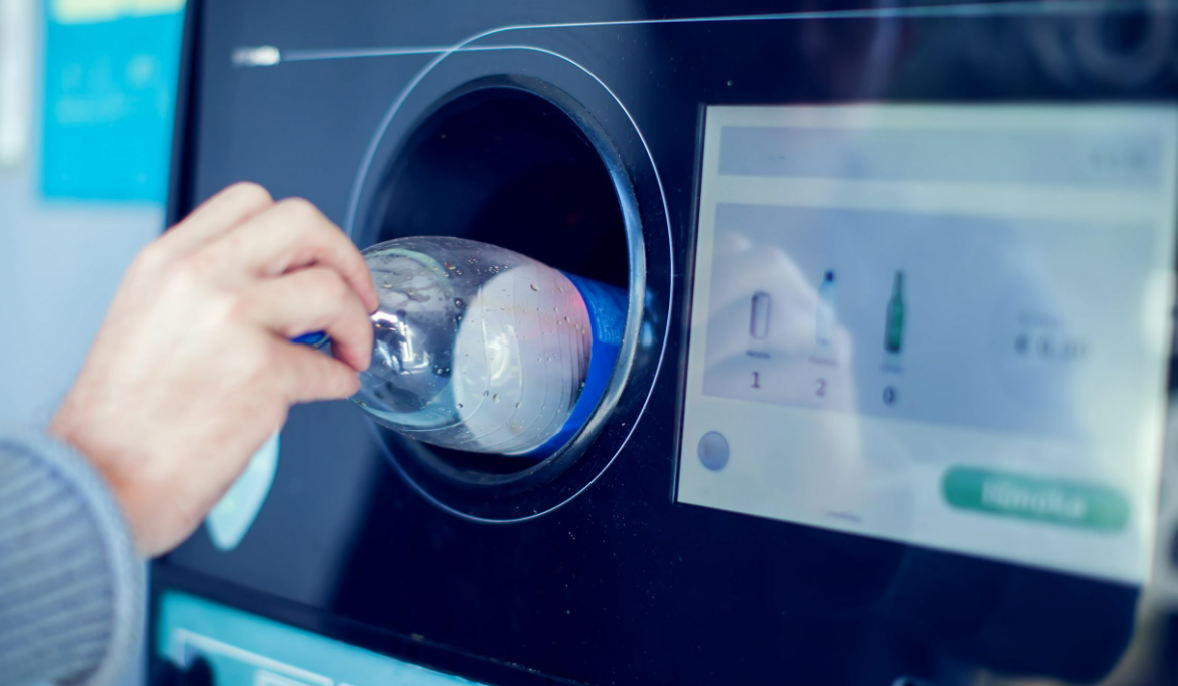

The introduction of the UK’s Deposit Return Scheme (DRS) is expected to impose significant financial burdens on retailers.
According to the British Retail Consortium, the scheme could cost retailers an estimated £1.8 billion annually, far surpassing previous government estimates. This news comes amidst concerns that the additional costs might ultimately impact consumers.
The Deposit Return Scheme is poised to transform the landscape of recycling in the UK, but at a steep price for retailers. The British Retail Consortium (BRC) has projected annual costs of at least £1.8 billion. This figure significantly exceeds the government’s 2019 estimation of £171 million, largely due to the intricate logistics involved in implementing the scheme.
However, the intricacies of implementing such a scheme are substantial. Retailers will need to accommodate the return and processing infrastructure, which is anticipated to drive up costs. This complexity has led to calls for a reevaluation of the scheme.
The concern is that the Deposit Return Scheme could counteract recent efforts to stabilise consumer prices, inadvertently burdening consumers further financially.
This delay reflects the need for cohesive support and collaboration across regional and national bodies. The pause offers an opportunity to refine the scheme for more seamless integration.
The BRC’s concerns highlight the imperative for learning from international counterparts, ensuring both economic and environmental objectives are met.
By gradually phasing in these components, stakeholders believe it is possible to achieve a harmonious balance between environmental sustainability and economic viability.
The overarching goal is a system that not only meets environmental targets but also preserves consumer affordability.
The Deposit Return Scheme represents a pivotal step in the UK’s environmental strategy, but it is not without challenges.
Balancing environmental goals with economic realities will be essential in ensuring its success without undue burden on consumers.
