
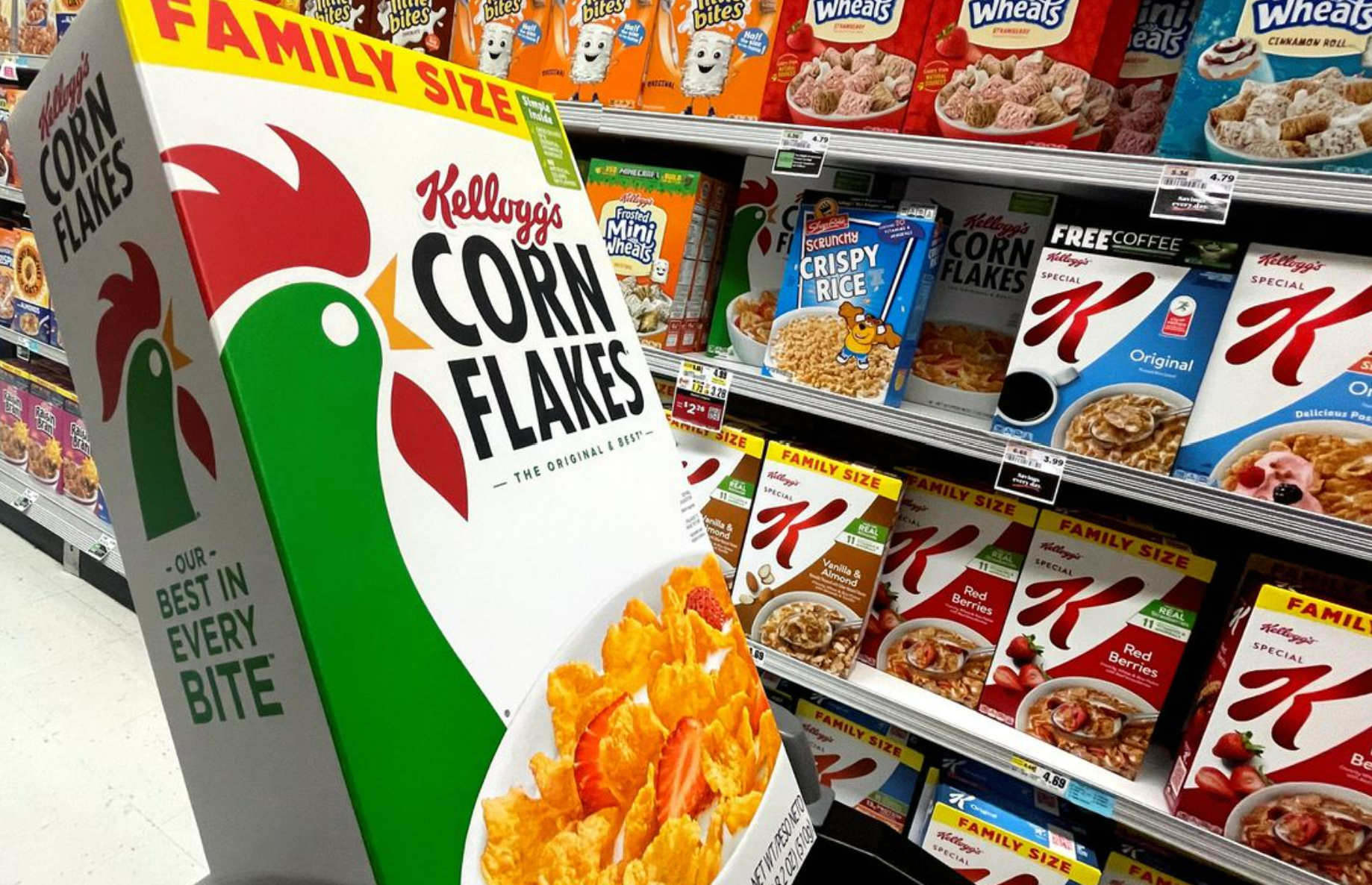

A leading UK health group has raised concerns over the packaging of sugary breakfast items like cereals and yoghurts, suggesting a move towards child-friendly packaging removal.
Research highlights that these products, especially those high in sugar, salt or saturated fat, use colourful designs and characters to attract children, potentially exacerbating health issues.
The Health Risks Associated with Sugary Foods
Action on Sugar has revealed startling data on sugar content in common breakfast items. 47% of cereals and 65% of yoghurts contain a third of the daily sugar allowance for young children per 100g. These unhealthy levels of sugar can contribute to severe health problems, including obesity and tooth decay, two prevalent issues among the youth in the UK.
The organisation, based at Queen Mary University of London, stresses that the enticing packaging targets children, creating a health risk. The bright colours and animations do more than decorate; they lure young consumers into unhealthy eating habits.
Industry’s Response to Health Concerns
Despite criticisms, some companies claim to be taking steps to address these concerns. Nestlé asserts commitment to improving the health profile of its products, stating that 84% of their cereal offerings do not qualify as high in fat, salt, or sugar (non-HFSS).
Aldi has echoed similar sentiments, highlighting their efforts to reduce sugar across key products. Such initiatives suggest a shift towards healthier alternatives, albeit gradual.
The Impact of Packaging on Consumer Choices
The visually appealing packaging is designed to stand out among competitors, yet these colourful designs often mask a product’s unhealthy nature.
Parents may unknowingly purchase these sugar-laden products, mistakenly believing in their healthy facade due to misleading graphics and claims made by manufacturers.
The discrepancy between marketing and nutritional value poses a significant concern. As packaging continues to play a crucial role in purchasing decisions, it is vital to address its impact on public health.
Expert Opinions on the Need for Regulation
Dr Kawther Hashem of Action on Sugar advocates for immediate regulatory changes. She argues that companies should remove child-friendly packaging to prevent unhealthy consumption among children. This strategy could curb the rise of weight-related health issues and tooth decay.
A consensus is forming among health experts and campaigners; the time for action is now. Their united voices pressure retailers to adopt stricter measures in line with public health recommendations.
Challenges Faced by Retailers
Retailers face challenges in balancing consumer expectations with health guidelines. Removing attractive packaging might affect sales, yet maintaining current practices could harm public health.
Some retailers have begun adapting by revising product presentations, leading the way in ensuring their goods promote healthier lifestyles without sacrificing appeal.
Steps Towards a Healthier Future
Effective reformulation and responsible marketing are pivotal steps. These are actions proactive brands are exploring to create a healthier future for children.
Children’s consumption habits can be influenced positively through responsible branding. Government regulations could provide a supportive framework to aid these changes.
Conclusion
The call to action by health experts is clear. There is a critical need for immediate changes to reduce the appeal of unhealthy foods to children through packaging.
As the battle against childhood obesity and dental issues intensifies, the responsibility lies with both manufacturers and regulators to act promptly.
Addressing the lure of sugary breakfast foods requires collective effort from both industry players and regulatory bodies, ensuring children’s health is prioritised.
Immediate action, grounded in research and expert recommendations, is essential to curtail the negative health impacts these appealing but unhealthy products have on the younger population.
