
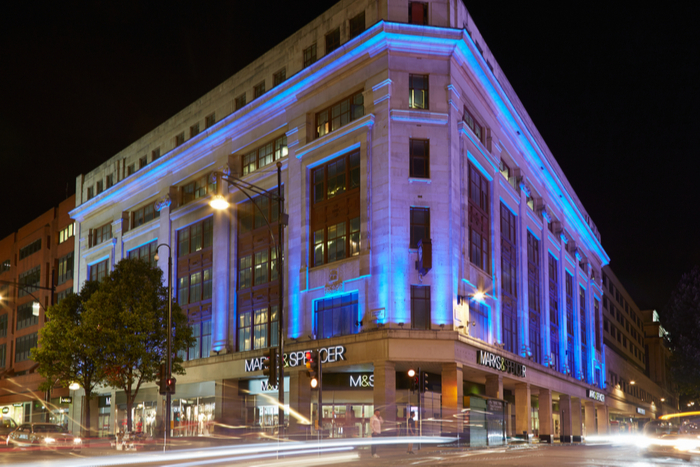

Marks & Spencer faces delays in its Oxford Street redevelopment plans due to the upcoming General Election. The high-profile project aims to revitalise a historic site.
Project Delay Due to General Election
Marks & Spencer’s proposed redevelopment of its flagship store on Oxford Street faces delays, attributed to the impending General Election. Originally, the brand aimed to revamp its historic 1929 art deco building. However, the political landscape has imposed uncertainties, stalling decisions until a new government is formed. Such delays highlight complexities in navigating urban development amidst political transitions.
The delay, reported by various sources, marks another chapter in the ongoing challenges faced by commercial redevelopments in London. M&S’s ambition to revitalise this iconic area with a modern ten-storey retail and office block is temporarily halted. The importance of this project lies not only in its architectural transformation but also in its potential socio-economic impact on the area.
Financial Implications and Legal Challenges
The redevelopment initiative has already seen significant financial undertakings. Reports suggest over £141,000 has been spent by the Department for Levelling Up, Housing, and Communities on associated legal fees. This expenditure underscores the fiscal weight of planning disputes and the broader implications for public sector budgets.
Michael Gove’s department’s involvement illustrates the high-profile nature of this case. M&S’s Chief Executive, Stuart Machin, highlighted the broader benefits of the redevelopment, emphasising improvements in shopping experiences and public spaces. Yet, the project faces hurdles, mirrored by the ongoing legal challenges which signal broader tensions in urban regeneration.
The legal expenditure indicates the intertwined nature of commercial interests and governmental processes. As stakeholders await a resolution post-election, the project’s future remains under scrutiny. Legal insights reveal that planning permissions often become points of contention when large-scale developments are proposed in heritage sites.
M&S’s Vision for Oxford Street
M&S aims to breathe new life into Oxford Street, once a beacon of UK retail. The stark reality is that many units remain unoccupied, with some occupied by transient, less reputable retailers.
This project is more than a mere facelift. It promises a strategic enhancement of the area, aligning with M&S’s vision to foster a thriving retail environment. The retailer aims to replace the historic site with a ten-storey structure, meshing retail with modern office spaces.
Stuart Machin’s reflections cast light on current challenges. He voiced concerns about the declining quality of retailers and the proliferation of vendors selling counterfeit goods on Oxford Street. Such factors diminish the street’s historic allure and necessitate substantial investment to reclaim its status as a premier shopping destination.
Support and Advocacy from Retail Giants
M&S’s proposed redevelopment has garnered backing from industry heavyweights like Selfridges and Ikea. Such endorsements accentuate the project’s significance beyond a single brand.
Selfridges has openly supported the redevelopment plans recognising the potential uplift in the area’s commercial liveliness. Meanwhile, Ikea’s UK country manager, Peter Jelkeby, reaffirmed this sentiment, linking it to their own ventures in Oxford Circus.
The collective support from prominent retailers illustrates a shared vision for Oxford Street’s rejuvenation. This collaboration suggests a collective industry effort to transform London’s retail landscape and hints at the strategic importance placed on reinvigorating Britain’s high streets amidst global challenges.
Potential Impact on Oxford Street’s Landscape
The outcome of this redevelopment bears considerable implications for Oxford Street’s future. If successful, it could spark a cascading effect, prompting further investments in adjacent areas. Such developments could invigorate the local economy by attracting diverse retail tenants and enhancing the street’s global appeal.
Yet, the potential is counterbalanced by risks inherent in large-scale redevelopments. Delays linked to governance changes cast uncertainty, perhaps deterring investors wary of protracted bureaucratic processes.
Revitalising Oxford Street means more than architecture; it’s about cultural and economic resurgence. These efforts reflect broader trends in urban planning where cities worldwide strive to blend historical significance with contemporary demands.
Governmental and Community Considerations
As the redevelopment plans await approval, governmental oversight plays a pivotal role. Local and national authorities must balance commercial ambitions with community preservation. Legal frameworks necessitate scrutiny of such projects, especially in historical precincts.
Community voices add layers of complexity requiring consultations to address potential environmental and societal impacts. Maintaining public trust is crucial as urban landscapes evolve. Future discussions may increasingly focus on sustainable development that respects heritage while promoting modern functionalities.
This dual approach of conservation and innovation remains central to debates on urban development. The need for collaboration between public authorities, private entities, and local communities is vital to ensure balanced urban growth.
Anticipated Developments Post-Election
With the election approaching, stakeholders anticipate pivotal developments. The newly elected government will need to reassess the project, weighing its economic benefits against potential criticisms.
The progression post-election could redefine London’s retail hub focusing on sustainable growth and urban revitalisation. Decisions will likely impact public perceptions of governmental efficiency in handling such significant propositions.
The pending decision on Marks & Spencer’s redevelopment remains at the mercy of political shifts. As stakeholders await clarity, Oxford Street’s future hangs in the balance.
