
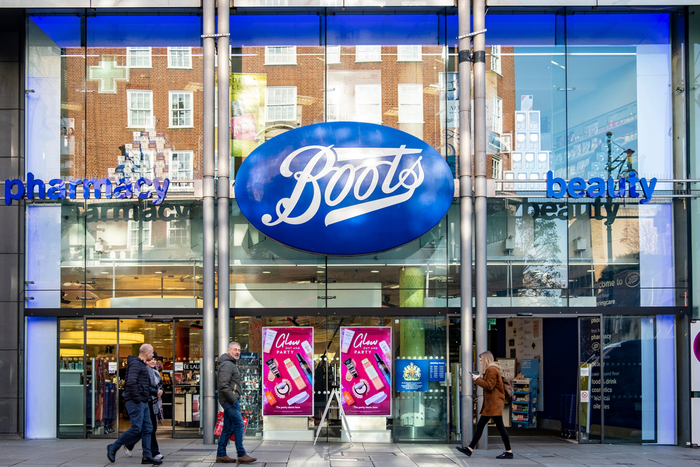

Boots, a leading name in the UK health and beauty sector, is witnessing pivotal changes in its corporate landscape, which has led to the suspension of its Initial Public Offering (IPO) plans. In the face of evolving market dynamics, the company is exploring strategic alternatives while engaging with potential buyers.
Strategic Reassessment by Walgreens Boots Alliance
The decision to suspend the Initial Public Offering (IPO) plans for Boots arises amidst an ongoing evaluation of the company’s strategic direction by its parent organisation, Walgreens Boots Alliance (WBA). WBA is actively exploring alternative strategic options, engaging in preliminary discussions with prospective buyers, including notable private equity firms. These considerations come after the company revived its efforts to sell Boots, a major player in the UK retail market.
The potential sale discussions indicate a significant reassessment of Boots’ role within WBA’s global portfolio. The reconsideration of an IPO highlights the strategic flexibility required in today’s dynamic market environments. Although no concrete decisions have been made, the ongoing deliberations underscore the company’s intent to maximise asset value while navigating market complexities.
Boots’ Market Position and Challenges
Boots has been a cornerstone of the British high street for over a century, boasting approximately 2,200 stores and employing around 55,000 staff. Despite its substantial market presence, the retail giant faces pressing challenges, including evolving consumer preferences and increased competition both online and offline.
The decision to consider selling Boots comes just two years after a previous sale attempt was aborted in 2022. Back then, the failure to meet the estimated valuation of £7 billion led to the cessation of sale discussions. This historical context provides insight into the current market conditions and valuation challenges facing large retail chains in the UK.
Financial Moves to Facilitate a Sale
In a strategic move to streamline its operations, Boots executed the sale of its pension scheme to Legal & General for approximately £4.8 billion last November. This significant transaction was seen as a preparatory step to make the business more attractive to potential buyers.
The decision to offload the pension scheme aligns with broader efforts to refine Boots’ financial structure. The company has also outlined plans to consolidate its retail footprint, announcing the closure of 300 stores as part of a transformation initiative aimed at enhancing operational efficiency and long-term sustainability.
These strategic initiatives reflect Boots’ approach to aligning its business model with contemporary retail demands, focusing on profitability and sustainability.
The £7 Billion Valuation Target
The aspiration to achieve a £7 billion valuation for Boots remains central to WBA’s sale strategy. This ambitious figure, consistent with the prior valuation sought in 2022, underscores the perceived intrinsic value of the chain within the broader retail sector.
Achieving this valuation is critical for WBA, given the intense scrutiny and due diligence conducted by potential buyers. The valuation considerations are compounded by the retail environment’s challenges and the need for significant capital investment to maintain Boots’ market leadership.
Yet, the potential to reach this valuation is contingent on market conditions and the strategic appeal of Boots’ business model to investors, requiring a nuanced approach to negotiations.
Impact of Store Closures
Boots’ decision to close 300 stores highlights its commitment to redefining its operational strategy to remain competitive in a shifting retail landscape. This decision, announced in 2023, reflects an effort to consolidate operations and focus on profitable locations.
The closures form part of a broader transformation strategy aimed at achieving greater efficiency. The focus is on enhancing customer experience through more streamlined and strategically located stores, aligning with changing consumer behaviours and expectations.
These efforts demonstrate Boots’ commitment to adaptability and resilience in a market that prizes agility and customer centricity.
Potential Interest from Private Equity Firms
Interest from private equity firms in acquiring Boots signifies the strong strategic interest in the retail giant from investors seeking high-value assets in the consumer market. The informal talks, though preliminary, indicate the potential for significant transactional activity within the sector.
These discussions are reflective of a broader trend among private equities to diversify portfolios with robust retail brands. Boots’ extensive market reach and established brand equity make it an attractive proposition for investment firms looking to capitalise on growth opportunities within the sector.
While these talks are still in their nascent stages, their outcome could redefine the ownership and strategic direction of Boots.
Future Prospects for Boots
The future direction of Boots remains uncertain as Walgreens Boots Alliance continues to explore strategic options amidst ongoing market evaluation. The evolving landscape prompts a watchful eye on potential shifts in ownership and strategy.
Continued evaluation of the retail giant’s position within the WBA portfolio reflects a commitment to adapting business models to market conditions. The strategic decisions made in the coming months will likely influence Boots’ trajectory significantly.
The decision to halt the IPO plans for Boots signifies a period of strategic reevaluation. As Walgreens Boots Alliance navigates potential sale discussions, the outcomes could profoundly impact Boots’ operating model and market role, making this a critical juncture for the company.
