
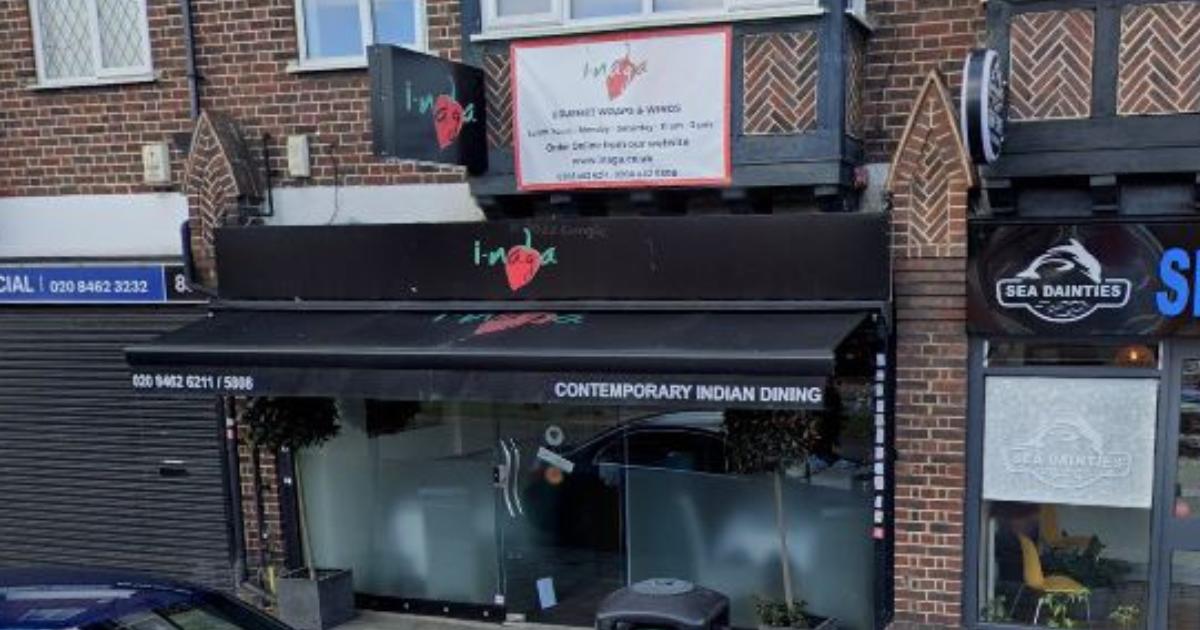

An award-winning Indian restaurant, iNaga, located in West Wickham, has faced serious legal and financial repercussions after employing illegal workers. The restaurant’s former director, Mohammed Miah, has now been disqualified from serving as a company director for six years, underscoring the grave consequences of breaching UK immigration laws.
Immigration Raid and Financial Penalties
In February 2023, iNaga, a well-regarded establishment on Croydon Road, was subject to an immigration enforcement raid. During the operation, two Bangladeshi men were found working illegally at the restaurant. The discovery led to a £20,000 fine being imposed on the business, which remained unpaid as the company entered liquidation with outstanding liabilities exceeding £75,000.
The enforcement action did not stop at financial penalties. Mohammed Miah, who was the commercial director at the time, was disqualified from holding directorship roles for six years due to his role in hiring employees without the legal right to work in the UK. The case illustrates the serious consequences of failing to adhere to immigration regulations and the wider impact it can have on business operations.
Company Restructure and Future Operations
Despite these setbacks, iNaga continues to operate from the same premises, though under a new company structure. Mohammed Miah is no longer associated with the business in any capacity. While this restructuring allows the business to move forward, it does not absolve the legal violations of its past.
This situation raises pertinent questions about accountability, particularly when businesses undergo ownership or management changes. The continuity of operations at iNaga highlights the complexities of enforcing compliance across successive entities operating under the same name or at the same location.
Official Statements from Investigators and Enforcement Agencies
Kevin Read, Chief Investigator at the Insolvency Service, spoke candidly about the case, emphasising that Miah’s actions violated the strict standards of UK immigration law. Read noted that the directorship ban, which remains in place until September 2030, ensures that Miah cannot engage in company promotion or management activities within the UK during this period.
David Tripp, representing the Home Office’s Immigration Compliance Enforcement division in South London, echoed these sentiments. He emphasised the critical role business owners play in verifying the legal status of their workforce. Tripp underscored that failing to do so not only undermines fair competition but also impacts the overall job market by fostering unfair working conditions.
These official responses reflect the UK government’s wider efforts to clamp down on illegal employment practices and safeguard both legitimate businesses and workers.
Lessons for the Hospitality Sector and Business Owners
The case of iNaga serves as a stark reminder to business owners, particularly in the hospitality sector, of the importance of verifying employees’ right to work. The financial and reputational damage caused by non-compliance with immigration laws can have far-reaching consequences. In iNaga’s case, the business not only incurred substantial fines but also faced liquidation, while its former director’s disqualification sends a strong message to other business leaders.
This incident highlights the enforcement mechanisms at the disposal of authorities, such as raids and penalties, to combat illegal employment. However, it also raises questions about whether there is enough support available to help businesses navigate the complexities of employment law, ensuring that they remain compliant with immigration rules.
Impact on the West Wickham Community and Local Economy
The ramifications of illegal employment stretch beyond the business itself, affecting the wider community in West Wickham. Incidents like this can tarnish the reputation of local businesses, potentially leading to decreased consumer trust and diminished patronage. Furthermore, the presence of illegal workers can undermine legitimate employment opportunities for residents, affecting the overall economic fabric of the area.
It is crucial for local businesses to maintain high standards of legal compliance in order to foster a competitive and ethical business environment. For West Wickham’s business community, incidents such as these serve as a wake-up call to reassess and tighten their own employment and operational practices.
Regulatory Framework and Business Compliance
From a legal standpoint, the enforcement action against iNaga illustrates the strength of the UK’s regulatory framework in addressing non-compliance with immigration law. The penalties imposed on the restaurant and its former director demonstrate the UK government’s commitment to holding businesses accountable, regardless of their size or past accolades.
The iNaga case underscores the necessity for businesses to prioritise legal compliance, particularly in today’s evolving labour market. As immigration regulations become increasingly scrutinised, companies must stay informed about their obligations, conducting regular audits of their employment practices to avoid similar legal pitfalls.
Moving Forward: Ethical Business Practices and Legal Compliance
For the wider business community, the iNaga incident highlights the importance of adopting ethical employment practices and staying within the bounds of the law. Failing to do so can result in devastating consequences, as seen in the financial and legal fallout from this case.
Business leaders must ensure that their hiring processes are robust and compliant with UK laws, not only to avoid penalties but also to maintain a fair and competitive business environment. This case should encourage businesses across the UK to reevaluate their own practices, fostering long-term improvements in the hospitality sector and beyond.
