
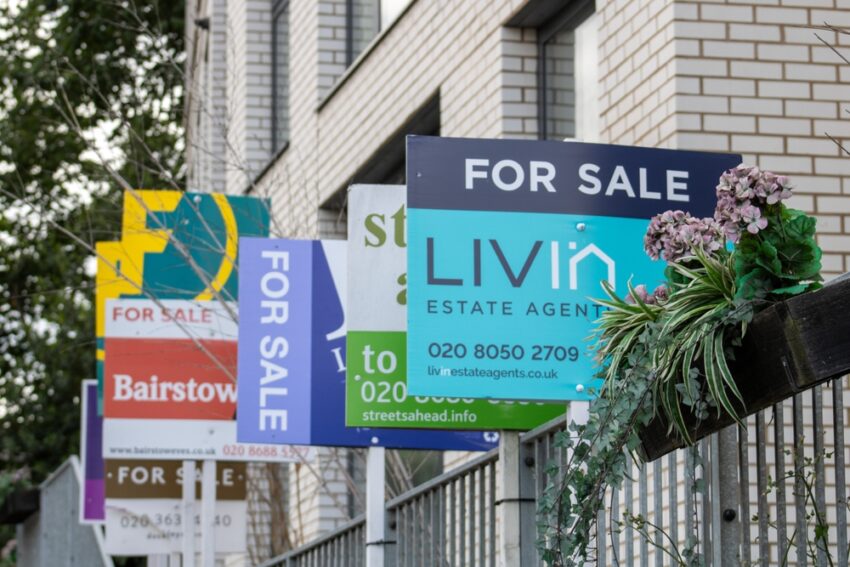

The housing market is witnessing a shift, with one-third of homes now chain-free, driven by concerns over potential tax changes. This trend is particularly influenced by landlords and second-homeowners eager to sell before expected fiscal policy shifts, according to Zoopla.
According to recent data from Zoopla, there has been a 25% increase in agreed house sales compared to this time last year. This rise is attributed to new listings and homeowners re-entering the market after a period of hesitation. Falling mortgage rates, now at their lowest since May 2023, further support this trend.
These sellers are prompted by rising buy-to-let mortgage rates and the looming threat of increased capital gains tax. This has particularly affected two- and three-bedroom houses in London and flats outside the capital.
Coastal areas, such as Truro and Bournemouth, have seen a significant 40% increase in homes for sale as second homeowners react to rising council tax proposals.
In areas like the South West and South East, prices have decreased, while Northern Ireland has experienced a 5.7% surge. Such variations highlight differing regional economic conditions.
According to Richard Donnell from Zoopla, this trend will likely maintain restrained house price inflation into 2025, supported by the growing availability of chain-free homes.
This potential tax hike is contributing to a surge in property listings in coastal regions, where second homes are prevalent.
The current dynamics in the housing market, marked by a rise in chain-free homes, reflect broader economic and legislative shifts. As potential tax changes loom, both buyers and sellers must navigate this evolving landscape with caution.
In conclusion, the housing market is adapting to impending tax changes, with chain-free properties becoming a significant part of listings. This shift offers buyers more options while placing pressure on sellers to act swiftly amid economic uncertainties.
