
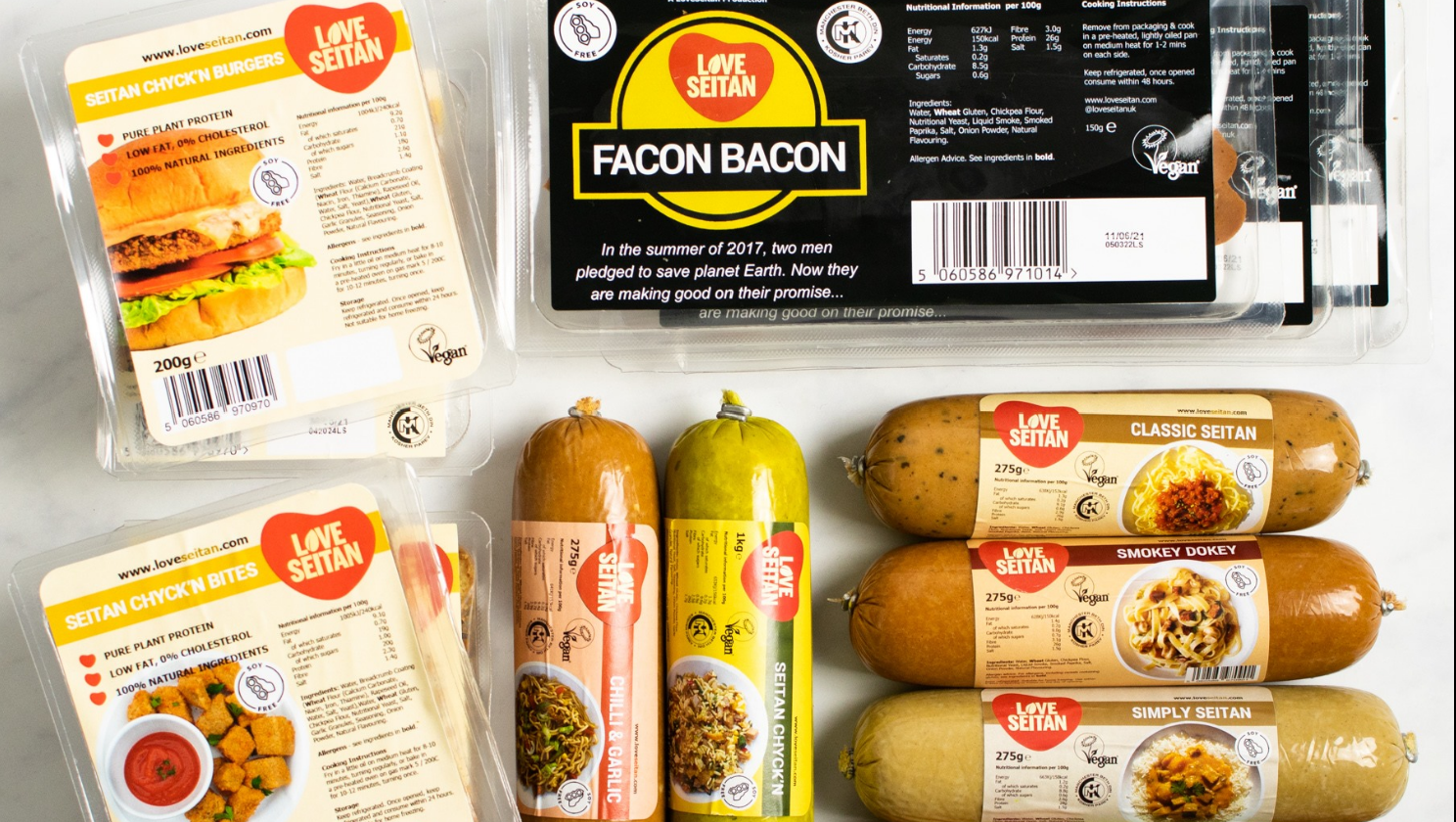

LoveSeitan, known for its seitan-based meat alternatives, has ceased operations due to dwindling sales. As consumers tighten budgets, plant-based brands feel the strain.
The brand, which was a supplier to leading UK supermarkets, struggled amidst rising costs and shifting consumer priorities, marking a pivotal moment for the industry.
Background of LoveSeitan
Founded nearly six years ago, LoveSeitan carved a niche for itself in the growing market of plant-based alternatives. Specialising in seitan-based products, which are made from wheat gluten and water, the brand quickly expanded its portfolio to include items like Facon Bacon and Seitan Pepperoni.
The brand managed to secure key partnerships with major UK supermarkets such as Aldi, Sainsbury’s, and Tesco. These collaborations allowed LoveSeitan to offer a range of meat-free options under well-known supermarket labels, thereby enhancing its market presence. Moreover, the company worked with grocery retailers like Co-op, Whole Foods Market, and Planet Organic, besides engaging with foodservice providers like Bidfood and Brewdog.
Market Challenges
Despite its initial success, LoveSeitan encountered significant challenges as the demand for plant-based products began to falter. Tough market conditions and rising costs compounded the difficulties, affecting the brand’s ability to remain competitive.
Co-founder Steve Swindon expressed his gratitude towards the company’s journey but admitted that they could not convince enough consumers of seitan’s benefits. He cited market constraints and increasing operational expenses as major reasons for the cessation of business activities.
Industry Trends
The struggles faced by LoveSeitan are reflective of broader trends affecting the plant-based industry. Vegan consumers are increasingly budget-conscious, seeking cost-effective grocery options amidst soaring living costs.
Approximately 73% of vegan shoppers have expressed a desire to save on grocery expenses. This sentiment mirrors recent financial updates from prominent plant-based companies like Beyond Meat, which reported lower-than-expected net sales and revised its annual revenue forecasts downwards.
Financial Implications
The closure of LoveSeitan underscores the financial strains impacting companies within the vegan food sector. With reduced consumer spending, businesses have had to reassess their financial strategies.
Beyond Meat’s recent announcement of missed net sales targets and lowered revenue expectations exemplifies the financial pressures across the industry. Such developments indicate a pressing need for companies to adapt to changing consumer behaviours and economic realities.
Consumer Behaviour Shift
As the plant-based market landscape evolves, brands like LoveSeitan must navigate a significant shift in consumer preferences. Shoppers are looking for affordability without compromising quality.
This shift has urged companies to reconsider their product offerings and pricing strategies. With price sensitivity on the rise, brands are challenged to innovate while maintaining economic feasibility.
The Future of Plant-Based Alternatives
The future remains uncertain for plant-based brands, with LoveSeitan’s closure highlighting the need for adaptability. Companies may need to explore new avenues such as diversifying product ranges or enhancing distribution networks.
While the current landscape presents challenges, it also offers opportunities for innovation. With a growing focus on sustainability and health, brands can tap into these values to resonate with modern consumers.
Conclusion
The recent developments surrounding LoveSeitan serve as a cautionary tale for the plant-based industry. Brands must stay attuned to market trends and consumer demands to thrive in this competitive environment.
Though LoveSeitan’s journey has ended, it underscores the importance of agility and consumer engagement in the evolving food industry landscape.
The plant-based sector faces critical challenges, as seen with LoveSeitan’s closure. To succeed, brands must adapt to consumer demands and economic shifts.
Despite setbacks, the industry’s focus on sustainability presents opportunities for innovative solutions that align with evolving market needs.
