
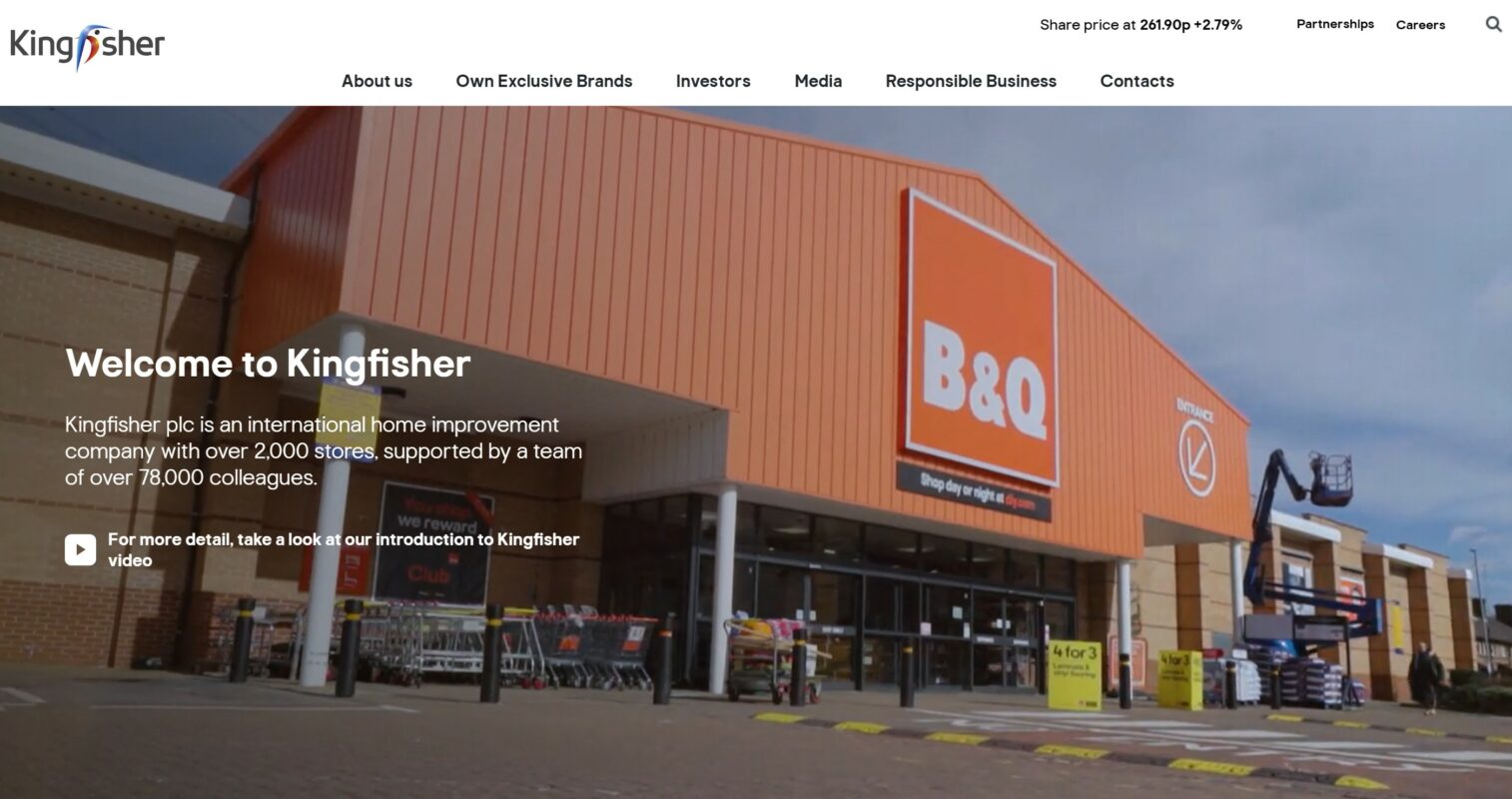

Kingfisher, a renowned home improvement retailer, is stepping up its commitment to environmental sustainability by unveiling ambitious decarbonisation targets. These new measures are designed to significantly reduce the company’s Scope 3 emissions. Scope 3 emissions are indirect emissions that occur in the value chain of the reporting company, including both upstream and downstream emissions.
Scope 3 Emissions Strategy
In a decisive move towards sustainability, Kingfisher has introduced targets focusing on reducing Scope 3 emissions. These emissions, which account for a major portion of its carbon footprint, are primarily indirect emissions from its supply chain. By targeting these areas, Kingfisher aims to foster a collaborative effort with its vendors to achieve meaningful carbon reduction.
The strategy involves different levels of commitment from vendors based on their impact on these emissions. For the top 100 vendors, there is a requirement to set a Science Based Targets initiative (SBTi) aligned roadmap by 2028. Following in their path, the next 450 vendors must establish similar roadmaps by 2030, ensuring a steady progression towards the overarching climate goals.
All remaining vendors are expected to set their climate reduction plans by 2030, ensuring no participant is left behind. This comprehensive plan not only aims to align with global environmental standards but also sets a precedent in the industry for tackling supply chain emissions.
Collaborative Progress and Support
Kingfisher is committed to working alongside its vendors, offering training and sharing expertise to facilitate the achievement of these targets. Collaboration within the industry stands as a cornerstone of this ambitious plan.
The role of Manufacture 2030, a cloud-based emissions data platform, cannot be overstated. This platform supports vendors by providing insights into their emissions and helping them chart effective pathways toward meeting their decarbonisation goals.
Impact of Vendor Manufacturing
Vendor manufacturing is crucial as it represents about 20% of Kingfisher’s Scope 3 emissions. Understanding and mitigating these emissions is vital for the broader success of the company’s environmental strategy.
By addressing vendor manufacturing emissions, Kingfisher can make significant strides in reducing its overall environmental impact. The company’s leadership is committed to fostering an environment of collaboration and shared responsibility among its partners.
Kingfisher CEO Thierry Garnier emphasised the importance of collaboration, stating, “Like most retailers, Scope 3 makes up the vast majority of our emissions, and to drive these down effectively we need the collaboration of our entire supply chain.”
Industry Response and Outlook
The response from Kingfisher’s vendor partners has been overwhelmingly positive. This enthusiasm highlights the collective recognition of the importance of actionable climate strategies. By setting such targets, vendors can significantly contribute to global efforts to combat climate change.
The initiative reflects Kingfisher’s leadership within the retail industry, aligning business objectives with environmental stewardship. The commitment from its partners will be pivotal in achieving these ambitious targets.
Setting a Global Precedent
Kingfisher’s approach sets a precedent for global retailers in addressing the challenging scope of indirect emissions. Their roadmap could serve as a model for other companies striving for similar environmental impact reductions.
The strategy demonstrates a comprehensive understanding of the nuances involved in supply chain emissions, proving to be a forward-thinking step in corporate responsibility. By setting tangible goals, Kingfisher encourages other retailers to adopt similar frameworks.
An emphasis on industry-wide collaboration not only enhances the feasibility of these targets but also enhances Kingfisher’s reputation as a leader in sustainability.
Long-term Benefits for Business and Environment
Kingfisher anticipates that these efforts will yield substantial benefits, both environmentally and commercially. A low-emissions future is expected to enhance the operational efficiency and long-term viability of Kingfisher’s business model.
The interconnectedness of business success and environmental responsibility is more apparent than ever. By spearheading such initiatives, Kingfisher is not just seeking compliance but paving the way for sustainable business practices.
Final Thoughts from Leadership
CEO Thierry Garnier concluded by acknowledging the shared vision between Kingfisher and its partners. “By coming together as an industry to take on this critical challenge, we can forge a path towards a future that is low-emissions, positive for our businesses and our planet.”
Kingfisher’s new decarbonisation targets underscore the company’s dedication to sustainability and climate action. By engaging its supply chain in this journey, Kingfisher sets a compelling example for the industry, reinforcing the importance of shared responsibility in achieving global environmental goals.
