
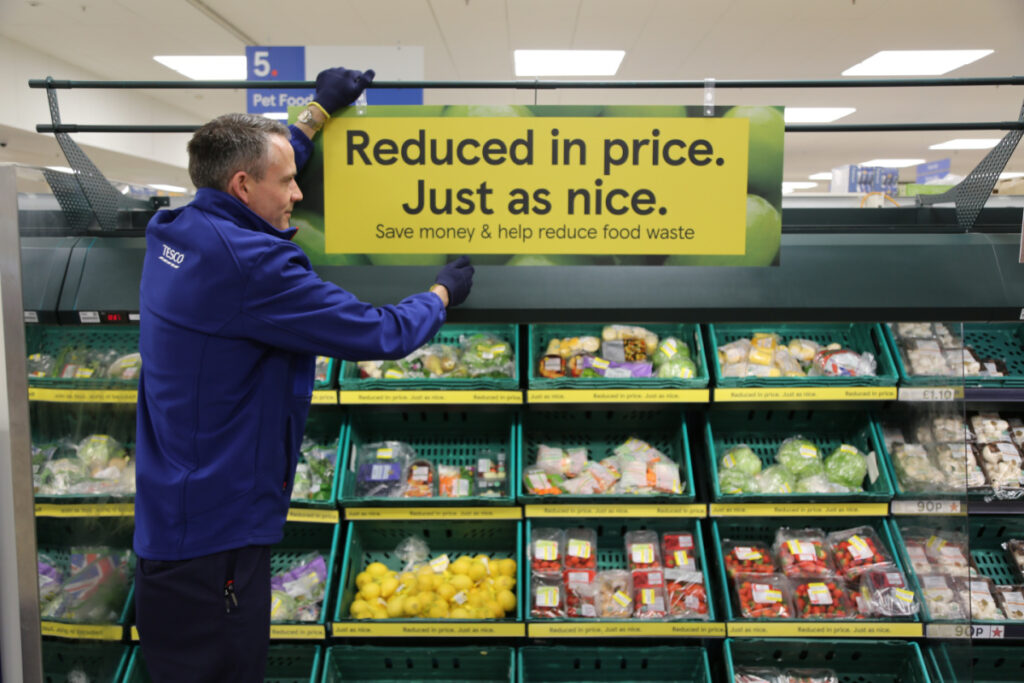

Tesco is widely known for its innovative strategies, and its latest expansion of the ‘reduced in price, just as nice’ initiative is no exception. Rolling out across 300 more stores, this movement aims to make discounted, quality food more accessible.
Originally launched in October, this initiative not only helps customers find great deals but also plays a crucial role in the reduction of waste. This expansion signifies Tesco’s commitment to sustainability and consumer satisfaction.
Expansion of Tesco’s Initiative
Tesco is broadening the reach of its ‘reduced in price, just as nice’ signage to an additional 300 stores, a move that began last October. This initiative is aimed at aiding customers in identifying discounted products, thereby reducing food waste. The expanded range includes fresh produce near expiration, as well as end-of-season items.
Claire Lorains, Tesco’s group quality, technical and sustainability director, expressed the company’s commitment to mitigating food waste. “Our customers are always on the lookout for great value food,” Lorains stated, highlighting how the rebranded signage simplifies the process of locating quality bargains.
Consumer Response and Survey Insights
The introduction of the signage followed a survey which indicated that consumers would be more inclined to purchase items with yellow stickers if the display areas were more appealing. This consumer insight significantly drove Tesco to rebrand and enhance the visibility of these discounted items.
Customer feedback has been pivotal, revealing that more visually appealing displays directly influence purchasing behaviour. It has allowed Tesco to align its product presentation with customer preferences, ensuring both satisfaction and an increase in the sale of soon-to-expire goods.
Impact on Food Waste and Sustainability
Tesco’s initiative promises to have a tangible impact on reducing food waste in the UK. Short-dated products often end up unused, contributing to substantial food waste annually. This measure is part of Tesco’s broader strategy to enhance sustainability.
With the expanded rollout, Tesco seeks to offer a practical solution to the issue of food nearing the end of its shelf life. These efforts align with global movements aiming to minimise supermarket and retail waste.
Increasing awareness around food waste and the urgency to address it positions Tesco as a proactive player in the sustainability sphere. By tackling this issue, the supermarket not only aids in waste reduction but also elevates its corporate responsibility credentials.
Strategic Retail Positioning
The expansion of the signage initiative is also a strategic move in retail positioning for Tesco, aiming to strengthen its market presence amidst fierce competition. By highlighting discounted items, Tesco differentiates itself as a consumer-friendly brand character.
Such strategic brand positioning is crucial in a competitive market, allowing Tesco to remain relevant and appealing to bargain-seeking customers. Emphasising value and sustainability reinforces consumer trust and loyalty.
Prominent placement of these signs elevates the brand image, showcasing Tesco’s dedication to customer needs and sustainability, fostering a unique shopping experience.
Future Plans and Projections
Tesco has plans underway to extend this initiative to even more stores across the UK. Future expansions aim to reinforce the company’s commitment to sustainability while meeting consumer demand for affordable, high-quality products.
Further rollout is anticipated to amplify the impact on consumer buying habits and overall waste reduction. Tesco’s foresight in planning these expansions underscores its dedication to creating a more sustainable shopping environment.
The ongoing development of such initiatives highlights Tesco’s role as a leader in retail innovation, adapting to consumer needs and environmental challenges.
Competitor Comparisons
Compared to its competitors, Tesco’s focus on reducing food waste is notably advanced. Other supermarkets are beginning to adopt similar strategies, but Tesco’s early adoption and proactive measures set a benchmark in the industry.
By pioneering such initiatives, Tesco maintains a competitive edge and sets a precedent for what sustainable retailing should encompass.
As other retailers follow suit, Tesco continues to innovate, ensuring it retains its lead in sustainability efforts. This progression places Tesco at the forefront of combining consumer practices with ecological responsibility.
Community and Environmental Impacts
The community benefits from Tesco’s initiative are multifaceted, encompassing not just waste reduction but also enhanced access to affordable products for consumers. This approach supports local economies and community welfare.
Tesco’s actions support broader environmental goals, reducing landfill use through effective waste management strategies. Such initiatives contribute positively to ecological sustainability and community health.
This expanded initiative not only reinforces Tesco’s leadership in sustainability but also effectively meets customer demands for affordable pricing. Tesco continues to adapt to market needs, providing practical solutions to reduce waste while enhancing customer value.
As this initiative grows, it promises ongoing benefits for consumers and significant steps forward in the retailer’s sustainability journey.

