

In recent months, UK shoppers have increasingly faced the growing trend of shrinkflation. This economic phenomenon sees product sizes diminish while prices either stay the same or increase.
A detailed investigation has revealed that numerous products in major supermarkets are now priced higher, despite offering less to consumers. This situation has become prevalent as retailers navigate an evolving economic landscape.
Shrinkflation, a term coined to describe the reduction in product size while prices remain constant or inflate, has notably affected the UK market. Several supermarkets, including Tesco, Sainsbury’s, Asda, and Morrisons, have adjusted product sizes and prices. This tactic often leaves consumers with reduced value for money, raising concerns among shoppers accustomed to larger packages at lower costs.
Among the products subject to shrinkflation are popular confectioneries and snacks. Notably, McVitie’s Digestives have decreased from 400g to 360g packs, coupled with a price rise. Penguin biscuits follow suit, reducing from eight to seven bars per pack while increasing in price.
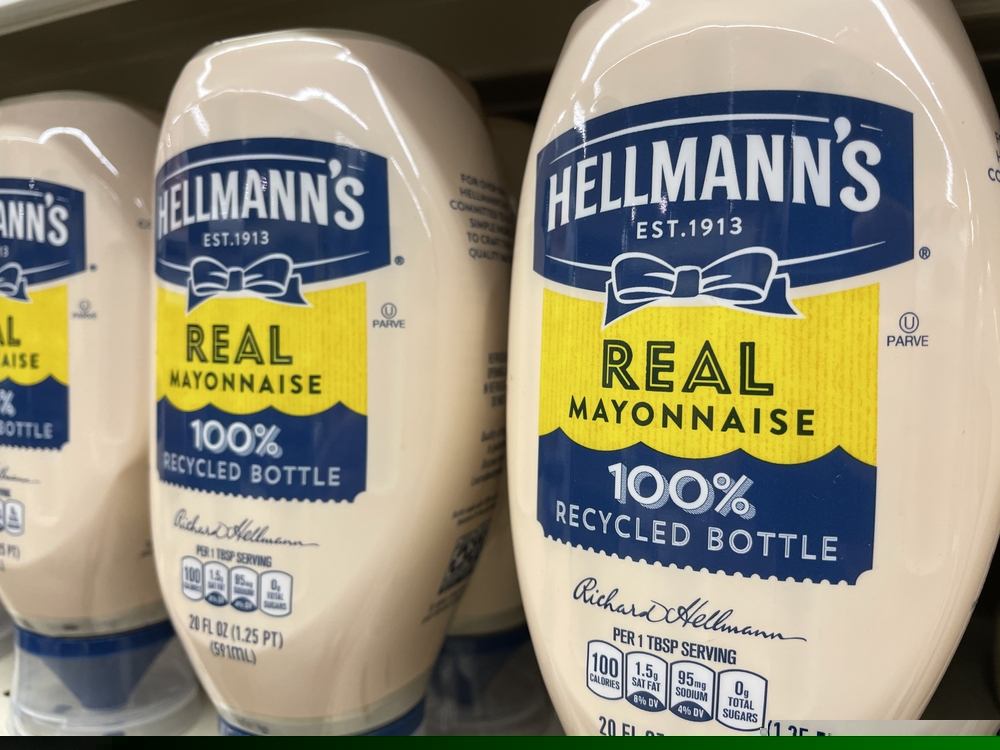
Hellmann’s mayonnaise also exemplifies this trend, reducing the size of its jars from 800g to 600g, with a simultaneous price surge. This significant size and price alteration highlights the widespread effects of shrinkflation on everyday grocery items.
The ongoing conflict between Russia and Ukraine serves as a primary driver of these changes. The war has escalated costs for commodity crops like wheat and vegetable oils, vital ingredients in many products, including Britain’s favourite biscuits.
Compounding these issues, inflationary pressures continue to climb within supply chains. As companies grapple with these economic challenges, consumers face the consequences through increased grocery bills.
A spokesperson from Pladis acknowledged the unrelenting cost pressures, indicating a broader trend affecting the entire sector.
Retailers have been transparent about the necessity behind these adjustments, often citing unavoidable external economic pressures as key justifications.
Nevertheless, the adverse reception from consumers has pushed some retailers to explore innovative solutions, such as introducing promotions or more competitive pricing strategies to retain customer trust and satisfaction.
While some retailers have offered explanations, the overarching sentiment among consumers reveals a distrust towards the pricing strategies employed.
The persistent trend of shrinkflation poses long-term implications for the economy and consumer spending. As the cost-of-living crisis intensifies, disposable incomes are stretched thin, impacting savings and discretionary spending.
This economic squeeze could lead to broader market changes, where consumers prioritise essentials over luxury items, reshaping retail dynamics significantly.
Experts warn that without a significant shift in economic conditions, the effects of shrinkflation are likely to persist, influencing consumer behaviour for the foreseeable future.
According to economists, shrinkflation is not a mere temporary inconvenience but a reflection of deeper economic challenges that require strategic intervention.
Specialist insights suggest a need for policy adjustments to mitigate these pressures, advocating for measures to stabilise pricing and improve consumer purchasing power overall.
In summary, shrinkflation has significantly impacted UK consumers, altering purchasing behaviours and stretching household budgets. As economic pressures persist, addressing these challenges requires collective action from stakeholders across the supply chain.

