
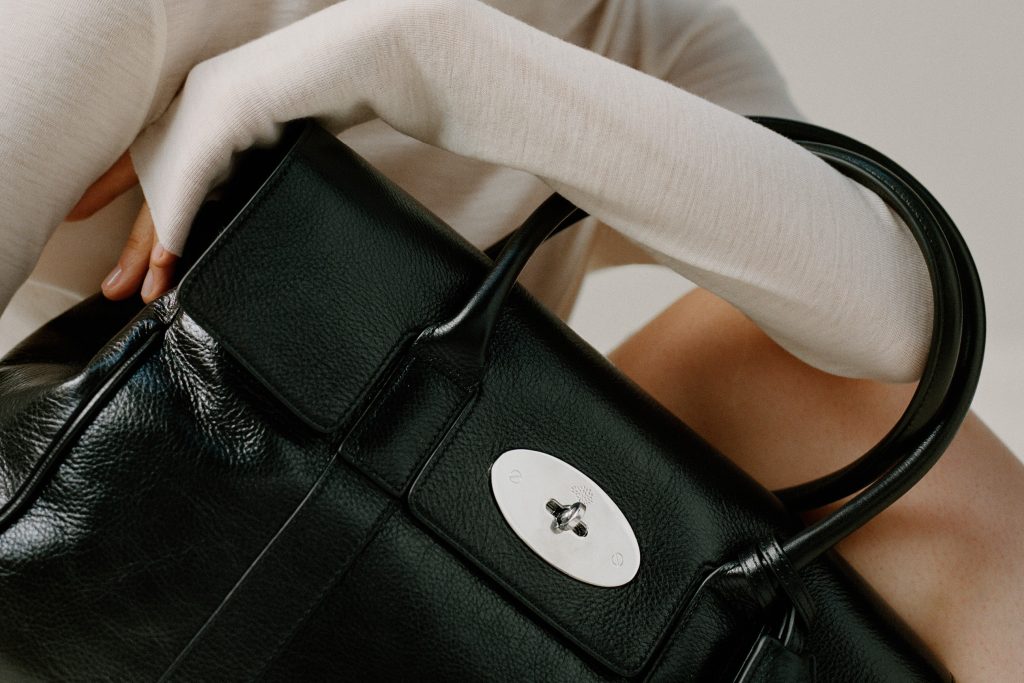

British luxury brand Mulberry has embarked on a strategic initiative to raise £10 million following a year marked by significant financial losses. The brand is set on bolstering its financial position amid declining revenues.
In a year defined by economic turbulence, Mulberry is committed to overcoming financial challenges through decisive corporate actions, including a fundraising drive and leadership renewal. This move is designed to reinvigorate the brand’s market position.
Financial Performance and Challenges
British luxury brand Mulberry has announced its intention to raise over £10 million in fresh capital following a challenging financial year. The company swung to a loss for the 52 weeks ending 30 March 2024, reporting a pre-tax loss of £34.1 million, down from a profit of £13.2 million the previous year. The underlying loss before tax was recorded at £22.6 million, contrasting a profit of £2.5 million during the preceding year.
The group’s revenue experienced a decline of 4% year-on-year, amounting to £152.8 million. This downturn was attributed to a “challenging” second half during which UK retail sales fell by 3.4% and a 4.2% drop was noted in the Asia Pacific region. Meanwhile, international retail sales witnessed an 8% increase, reaching £50 million, propelled by growth in Sweden, the US, Australia, and New Zealand.
Strategic Measures and Leadership
In response to the financial setbacks, Mulberry has moved to issue new ordinary shares aiming to gather £10 million, along with a retail offer intended to raise an additional £0.75 million through existing shareholders. This capital infusion is aimed at strengthening the company’s balance sheet.
Newly appointed CEO Andrea Baldo, who assumed office on 1 September, has been proactive in addressing the challenges. Baldo stated, ‘Since joining, I have been working closely with our teams in the UK and internationally to drive swift, decisive actions.’
He emphasised the focus on enhancing operational efficiency and implementing targeted product, pricing, and distribution strategies to recapture market share in the UK. Baldo also committed to conducting a comprehensive review to formulate a renewed strategy catering to both immediate recovery and sustainable long-term growth.
Market Conditions and Strategic Outlook
Mulberry’s chairman Chris Roberts highlighted the macro-economic challenges that have impacted the luxury sector globally. He remarked on the tightening consumer spending affecting markets worldwide, contributing to the company’s underwhelming financial performance for the year.
Despite the disappointing outcomes, Roberts expressed confidence in the recent corporate actions. ‘We believe that the combination of a new CEO, our enhanced debt facility, and the announced capital raising will place the group on firm footing for future growth,’ he articulated.
The luxury sector continues to face headwinds, yet Mulberry’s strategic initiatives are primed to navigate the complexities of the current economic landscape, positioning it for resilience and prosperity. This outlook reflects a determined effort to stabilise and transform the company’s market standing.
International Developments and B Corp Certification
Despite domestic challenges, Mulberry recorded an 8% increase in international sales, reaching £50 million. This success was partly attributed to the performance in emerging markets such as Sweden and the US.
The achievements internationally underscore Mulberry’s potential to withstand domestic adversities through a diversified presence. The company’s B Corp certification further highlights its commitment to responsible business practices, which could enhance its global appeal.
These international endeavors not only illustrate resilience but also lay a foundation for leveraging global opportunities to bolster revenue streams. The focus remains on aligning operational practices with sustainable goals, a strategy that is becoming increasingly relevant in the luxury market.
Leadership Changes and Future Directions
CEO Andrea Baldo has affirmed his dedication to steering Mulberry through its current challenges while laying down plans for sustained growth. His approach includes refining operational efficiencies and aligning with market demands to secure the brand’s foothold primarily in its home market, the UK.
Baldo’s leadership marks a pivotal chapter for Mulberry, focusing on strategic pivots necessary for adapting to the fast-evolving luxury market. His emphasis on a rejuvenated strategy is aimed at ensuring the group’s return to profitability.
Baldo’s tenure is characterised by a commitment to innovation and market responsiveness, with an end goal of re-establishing Mulberry as a competitive player in the luxury industry.
Economic Headwinds and Industry Landscape
The global economic landscape has posed significant challenges to Mulberry, aligning with broader industry trends of tightened consumer spending across luxury markets. These economic headwinds have necessitated strategic adaptations.
Mulberry’s proactive measures including capital raising and strategic leadership transitions represent a response to these pressures. The actions taken illustrate a readiness to confront environmental and market challenges.
As external conditions continue to evolve, Mulberry remains vigilant, aiming to balance immediate tactical responses with long-term strategic planning, thereby ensuring its survival and growth in a competitive environment.
Conclusion
In summary, Mulberry’s strategic initiatives reflect a comprehensive approach to addressing financial challenges while positioning for future growth. The combined efforts of leadership changes, strategic funding, and international growth are aimed at restoring stability and achieving sustainable success.
Mulberry’s decisive actions aimed at capital infusion and strategic leadership highlight a pathway towards recovery and long-term growth. Amidst economic challenges, its efforts focus on securing stability and revitalising market share.
