
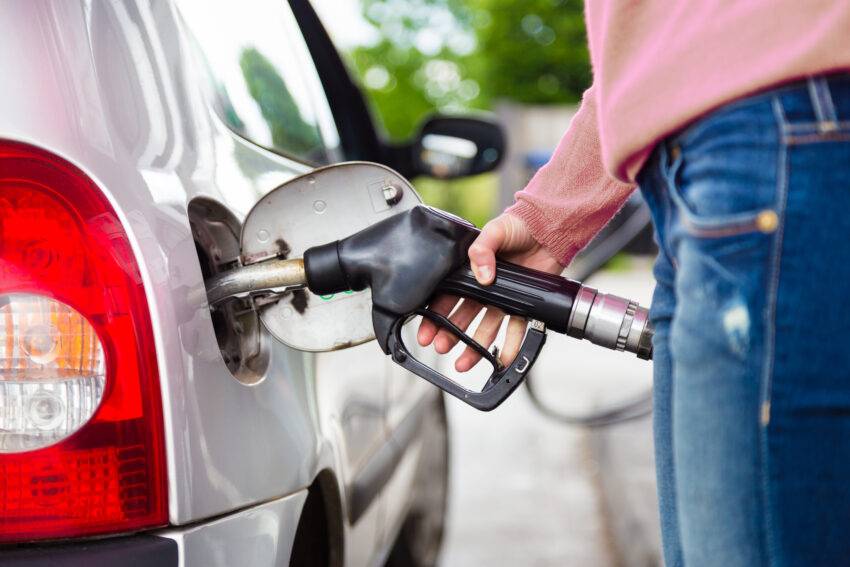

The RAC has called for the termination of the 5p fuel duty cut, citing its ineffectiveness in providing savings to drivers. This measure, introduced in 2022 to alleviate the cost of living crisis, is claimed to cost the Treasury £2 billion annually.
Implemented by then-Chancellor Rishi Sunak, the 5p fuel duty cut was designed to address soaring fuel prices. The intention was to save motorists approximately 6p per litre when VAT was included.
The RAC has accused fuel retailers of absorbing the duty cut savings, resulting in record-high profit margins of 13p per litre on unleaded fuel and 15p on diesel. Simon Williams, head of policy at the RAC, criticised the largest retailers for maintaining elevated prices, thus negating the intended benefits for consumers.
The Competition and Markets Authority (CMA) supports this stance, reporting that motorists were overcharged by £1.6 billion last year due to inflated retailer margins.
The RAC proposes that retail prices should reflect the decrease in wholesale costs, recommending a reduction in average petrol prices from 142p per litre to 136p, and diesel from 147p to 139p.
Balmer asserts that the focus on historical margins fails to account for these contemporary challenges faced by retailers.
The CMA’s upcoming pump price transparency scheme is expected to shed light on these pricing practices. Yet, it remains uncertain if this will lead to significant changes at motorway service areas.
The debate over the effectiveness of the 5p fuel duty cut puts pressure on the government to reassess its policies. There is growing frustration that the desired savings are not being passed on to drivers.
The Treasury is purportedly losing £2 billion annually due to the fuel duty cut. This raises concerns about the sustainability of such a measure amid other fiscal challenges.
As discussions continue, the call to eliminate the 5p fuel duty cut demands careful consideration from policymakers. The Retailers’ ability to do what is right in this context remains questionable. The government’s stance will be crucial in determining the future trajectory of fuel pricing in the UK.
