
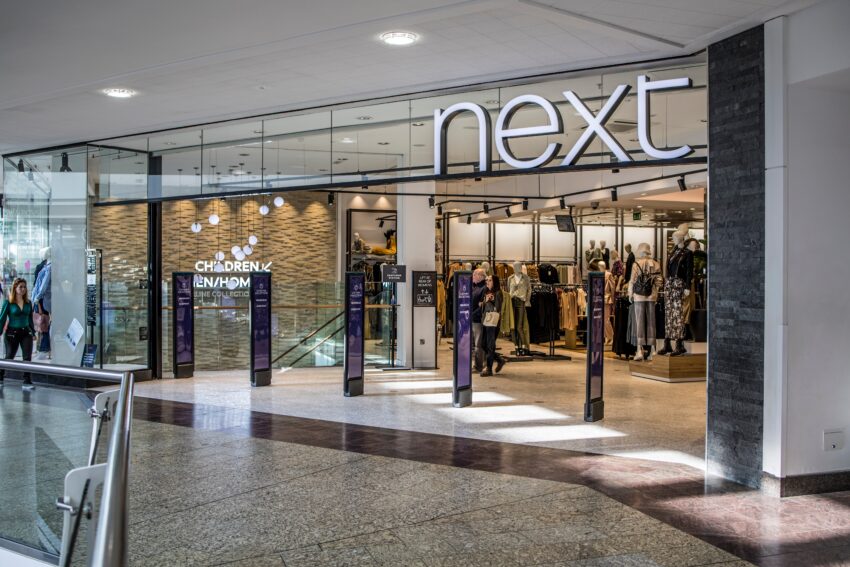

Next, the prominent FTSE 100 retailer, is facing considerable challenges following a £30 million equal pay ruling. The tribunal’s decision, in favour of female store staff, may lead to significant operational changes.
The company is appealing the landmark decision, which could take over a year to resolve. This ruling has far-reaching implications, not just for Next, but for the broader retail industry.
Legal Ruling and Its Immediate Implications
In a landmark decision, an employment tribunal recently ruled in favour of 3,540 current and former female employees of Next. These employees had argued that they were paid less than their predominantly male counterparts in the company’s warehouses. This ruling, which dates back to October 2018, could have significant repercussions for the retailer.
Next, however, is appealing the decision. The company’s legal team has expressed “very confident” grounds for the appeal, despite acknowledging that the case could take more than a year to resolve. This ruling marks the first of its kind against a British retailer and opens the door for further claims.
Potential Impact on Store Operations
According to Next’s half-year report, the ruling could severely impact the profitability of its individual stores. The company has cautioned that some stores may no longer be viable if the decision is upheld upon appeal. Increased operating costs could lead to further store closures when leases expire and may hinder the opening of new stores.
Next’s chief executive, Lord Wolfson, clarified that the company is not issuing threats but rather addressing the stark financial realities facing its stores. “Whether we open or close stores will depend on each individual store’s profitability,” Wolfson stated.
Implications for Warehouse and Staff Wages
Next also raised concerns about its warehouse operations in the event of a wage increase. The company stated that increased wages for warehouse employees would necessitate matching increases for store staff, thereby further escalating operational costs.
Any such wage adjustments could significantly impact the company’s cost structure, making it challenging to maintain profitability across its 458 UK stores.
Broader Industry Effects
This ruling is poised to have wider implications within the retail industry. Notably, a similar equal pay case involving over 60,000 Asda employees is expected to conclude early next year. This could set a precedent for similar claims across the sector.
If upheld, such rulings could encourage more retail employees to file equal pay claims, potentially reshaping pay structures and employment practices industry-wide.
Next’s Current Business Practices
Despite the recent ruling, Next has emphasised its existing employment practices. Unlike some other retailers, the company does not employ workers on zero-hours contracts. Instead, it offers additional hours to existing staff during peak periods such as Christmas.
Next’s approach to staff employment aims to balance operational efficiency with a commitment to fair labour practices. However, the financial implications of the tribunal’s decision could put this balance at risk.
The £30 million equal pay ruling against Next could have profound effects on the retailer’s operations and the wider industry. As the company navigates the appeal process, the resolution of these legal challenges will be keenly watched by stakeholders.
Regardless of the outcome, this case underscores the ongoing challenges and complexities of addressing wage disparities within the retail sector.
