
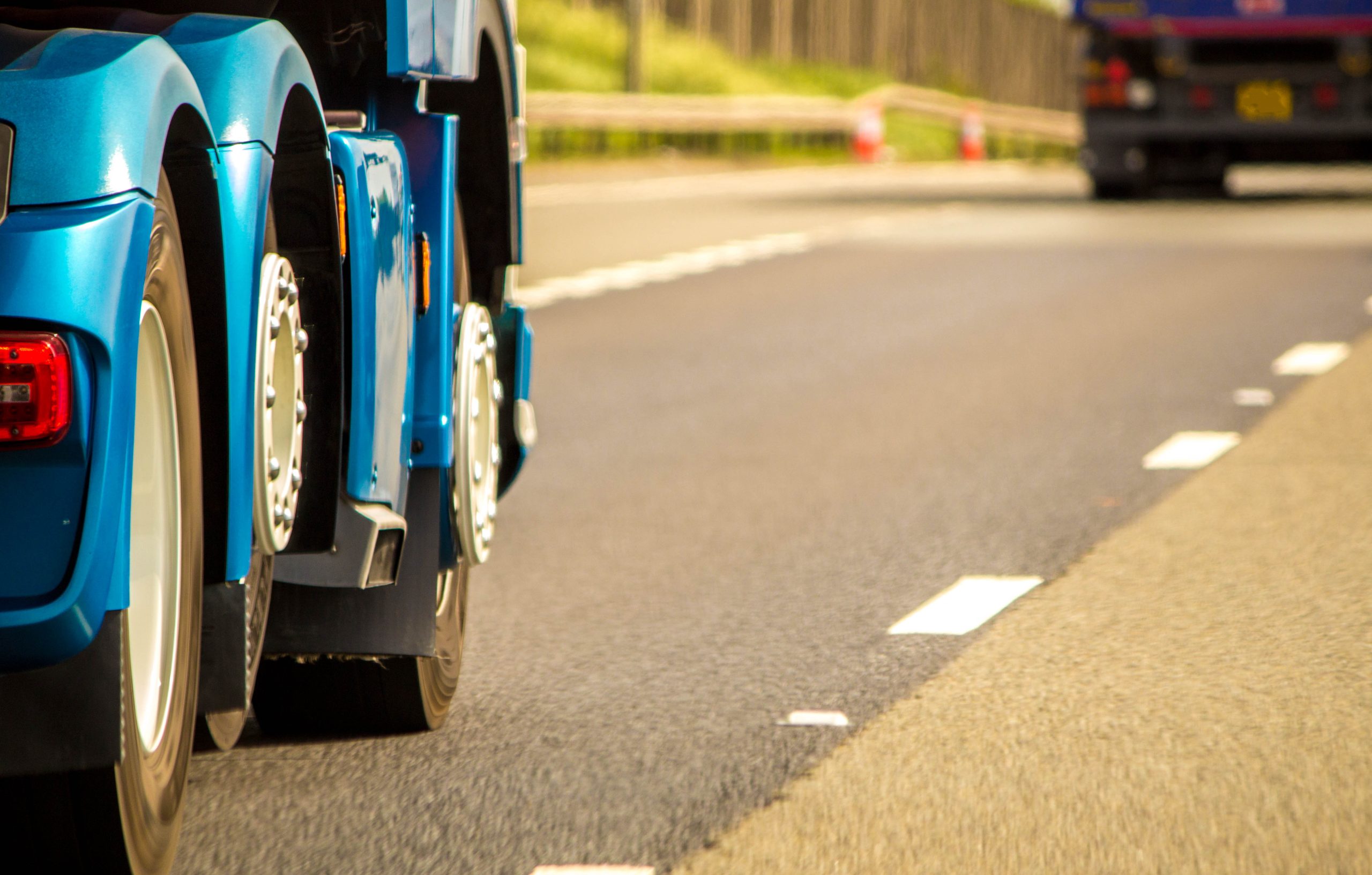

Businesses will be able to transport more goods per load under new plans to allow longer lorries and longer semi-trailers on Britain’s roads.
There are, however, some concerns about the safety of the vehicles.
The lorries are 18.55 metres long — 2.05 metres longer than standard HGVs. They have been trialled since 2011, and there are already around 3,000 of them in use.
According to the Department for Transport, these new lorries will use 8% fewer journeys than current trailers — taking one standard-size trailer off the road for every 12 trips and resulting in £1.4bn of economic benefits.
Under new legislation, any business in England, Scotland and Wales will be permitted to use them from 31 May.
Campaign groups have warned that the larger tail swing of the longer lorries could create greater dangers for pedestrians and cyclists, as well as the potential for damage to roadside infrastructure.
Keir Gallagher, campaigns manager at Cycling UK, told Sky News: “At a time when funding for infrastructure to keep people cycling and walking safer has been cut, it’s alarming that longer and more hazardous lorries could now be allowed to share the road with people cycling and walking.
“Before opening the floodgates to longer lorries rolling into our busy town centres and narrow rural lanes, further testing in real-life scenarios should have been done to assess and address the risks.”
HGV operators will have to make appropriate route plans and carry out risk assessments to take the specifications of longer semi-trailers into account.
In addition to these new legal requirements, operators will also be expected to put in place extra safety checks including driver training and scheduling, record keeping, training for transport managers and key staff, and loading of longer semi-trailers.
The longer vehicles will be subject to the same 44-tonne weight limit as those using standard trailers. The Road Haulage Association has urged the government to go further by increasing the permitted weight to 48 tonnes.
“This will be increasingly important when we roll out zero-emission trucks to compensate for the increased weight from batteries,” the industry body said.
