
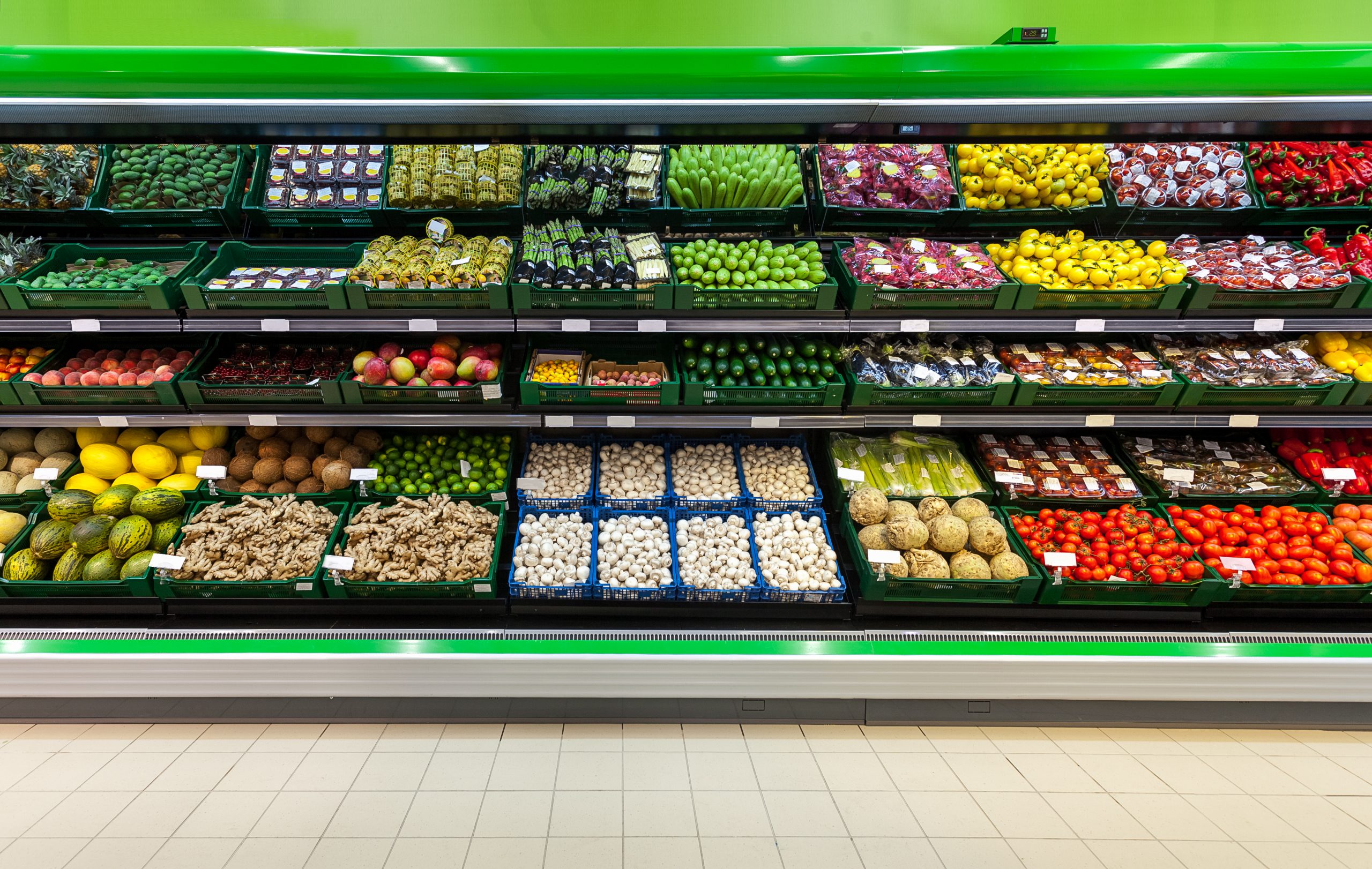

Food prices in the UK are continuing to rise as producers and retailers face higher costs.
Food price inflation accelerated strongly to a record 11.6% in October, up from 10.6% in September, according to the latest report from the British Retail Consortium (BRC).
Prices have come under pressure due to higher costs for ingredients resulting from the war in Ukraine, which has disrupted supplies of goods such as sunflower oil, wheat and fertilizer and also caused energy prices to soar.
Worker shortages are another factor behind the price rises.
Fresh food inflation jumped from 12.1% to 13.3% last month, while ambient food inflation rose from 8.6% to 9.4%.
Non-food inflation also increased, rising to 4.1% in October from 3.3% in September.
Overall shop price inflation reached a record 6.6% in October, from 5.7% in September.
“It has been a difficult month for consumers who not only faced an increase in their energy bills, but also a more expensive shopping basket,” said Helen Dickinson, chief executive of the BRC.
“Prices were pushed up because of the significant input cost pressures faced by retailers due to rising commodity and energy prices and a tight labour market. Even the price of basic items went up, with the price of the humble cuppa rising, as tea bags, milk and sugar all saw significant rises.
“While some supply chain costs are beginning to fall, this is more than offset by the cost of energy, meaning a difficult time ahead for retailers and households alike.”
Dickinson called for the UK government to help lower costs for retailers by freezing business rates.
