
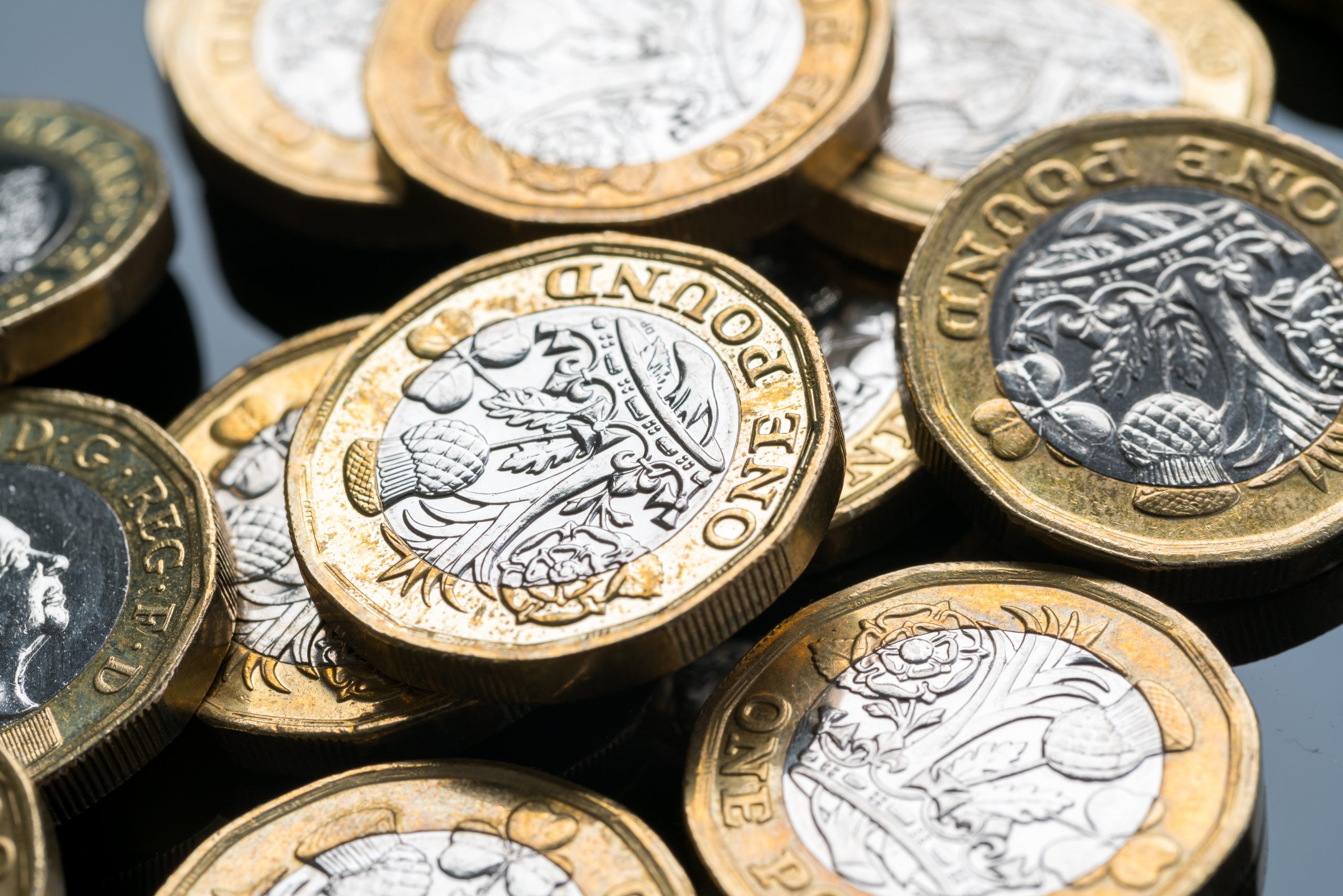

The pound has fallen to a record low against the US dollar, with traders starting the week where they left off on Friday.
Sterling dropped by nearly 5% to $1.03 in early trading on Monday before stabilising around $1.07.
It comes after Chancellor Kwasi Kwarteng announced the UK’s biggest programme of tax cuts for 50 years.
There are expectations that government borrowing will surge to pay for the £45bn package, which included cuts to income tax and stamp duty as well as scrapping planned a rise in corporation tax.
A weak pound makes imports more expensive, potentially further pushing up inflation which is already at a 40-year high of 9.9%.
With fears the pound could plunge to parity with the US dollar this week, some analysts have speculated that the Bank of England may intervene to raise interest rates again before its scheduled meeting in November.
“I’m sure they very much don’t want to do that… because that is a sign of pressure,” former Bank deputy governor Sir John Gieve told the BBC.
“Emergency meetings are avoided if at all possible and I am sure they will try to avoid it.”
