
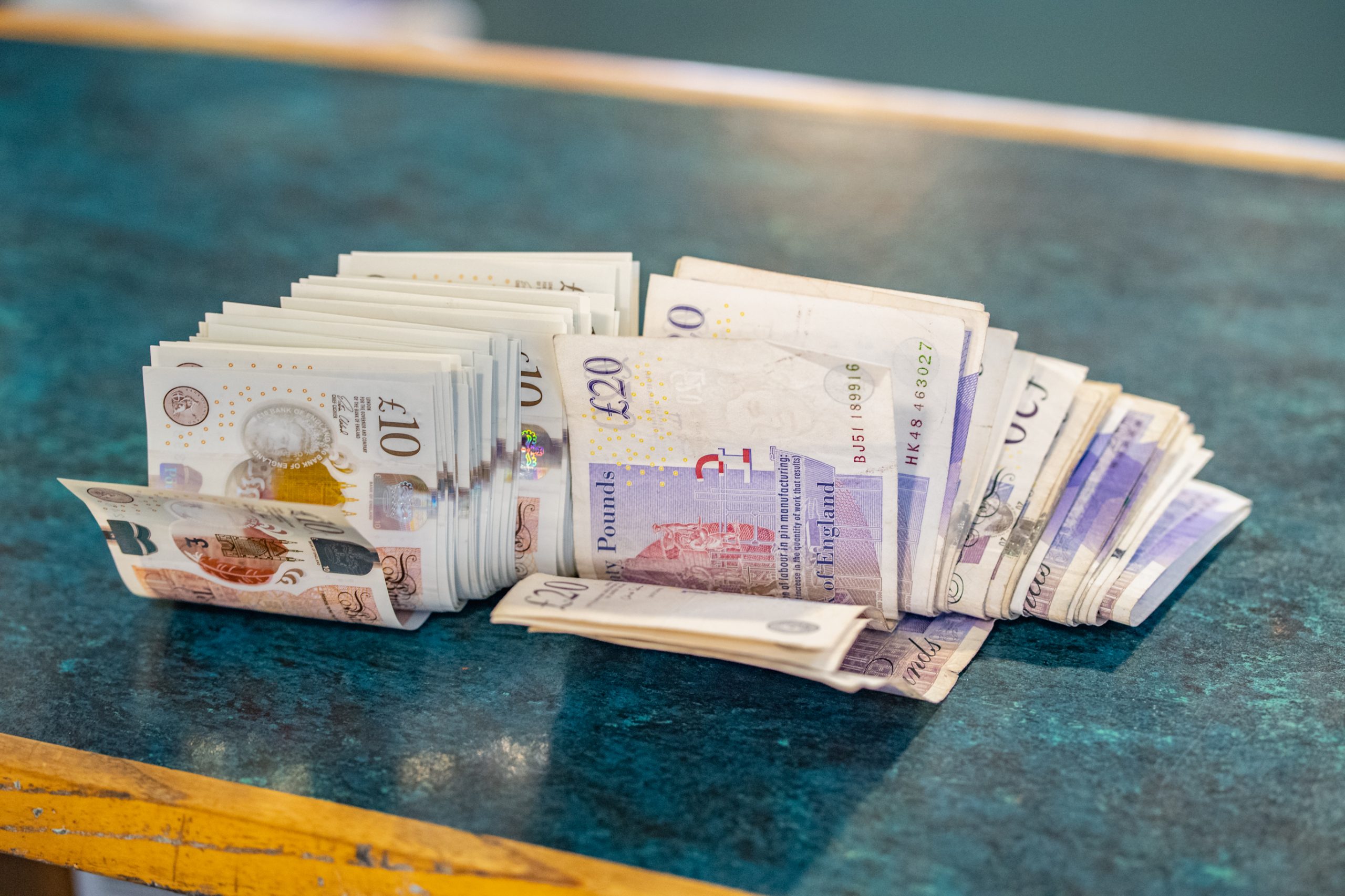

Real household disposable incomes are on course to fall by 10% over the next two years, according to a new report.
This equates to £3,000 for a typical household, representing the deepest squeeze in living standards in a century, the Resolution Foundation warned.
With pay rises being outpaced by inflation, real earnings — which are already falling at their fastest rate since 1977 — are forecast to continue falling until at least mid-2023, by which time all real pay growth since 2003 will have been wiped out.
This unprecedented two-decade-long wage depression is a consequence not just of record inflation today, but of over 15 years of economic stagnation driven primarily by historically weak productivity, the think tank said.
The authors also noted that the lack of a projected rapid recovery period would leave typical real incomes 7% lower at the end of the current parliament (2024-25) than they were at the start (2019-2020) — the first time on record that Britain has got significantly poorer over the course of a parliamentary term.
Lalitha Try, researcher at the Resolution Foundation, said that a tough winter lies ahead as energy bills hit £500 a month, and with high inflation likely to stay with us for much of next year the outlook for living standards is “frankly terrifying”.
“Typical households are on course to see their real incomes fall by £3,000 over the next two years — the biggest squeeze in at least a century — while three million extra people could fall into absolute poverty.
“No responsible government could accept such an outlook, so radical policy action is required to address it.
“We are going to need an energy support package worth tens of billions of pounds, coupled with increasing benefits next year by October’s inflation rate.
“The new prime minister also needs to improve Britain’s longer-term outlook, which can only be achieved by a new economic strategy that delivers higher productivity and strong growth.”
