

Ford Motor (F) chief executive Jim Farley has rejected claims by US Transportation Secretary Sean Duffy that the carmaker is too reliant on Chinese partners, telling the Wall Street Journal that Duffy’s letter contained “basic misunderstandings, mistruths, whatever words you want to use, that could be cleared up in a simple five-minute call”.
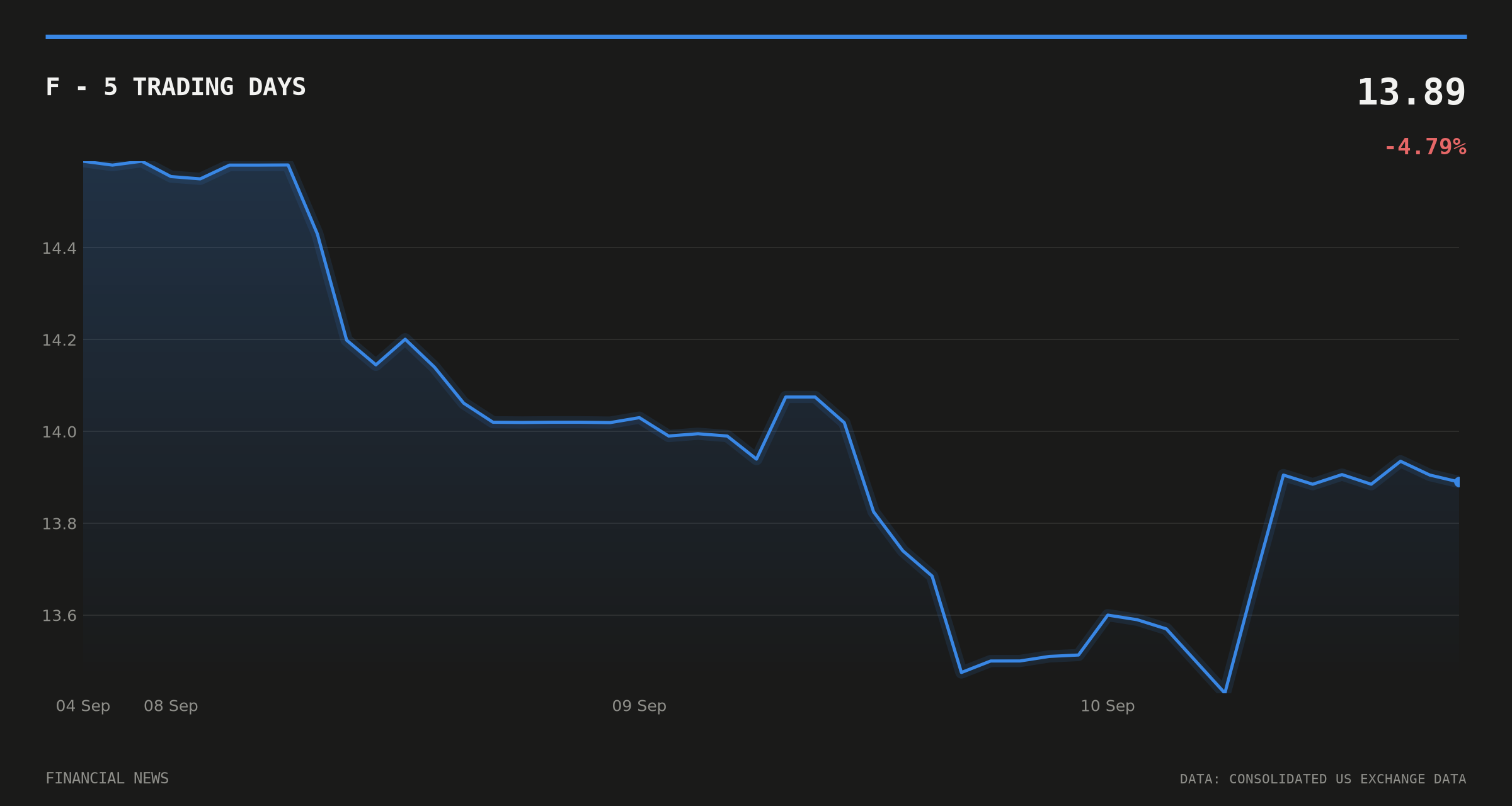
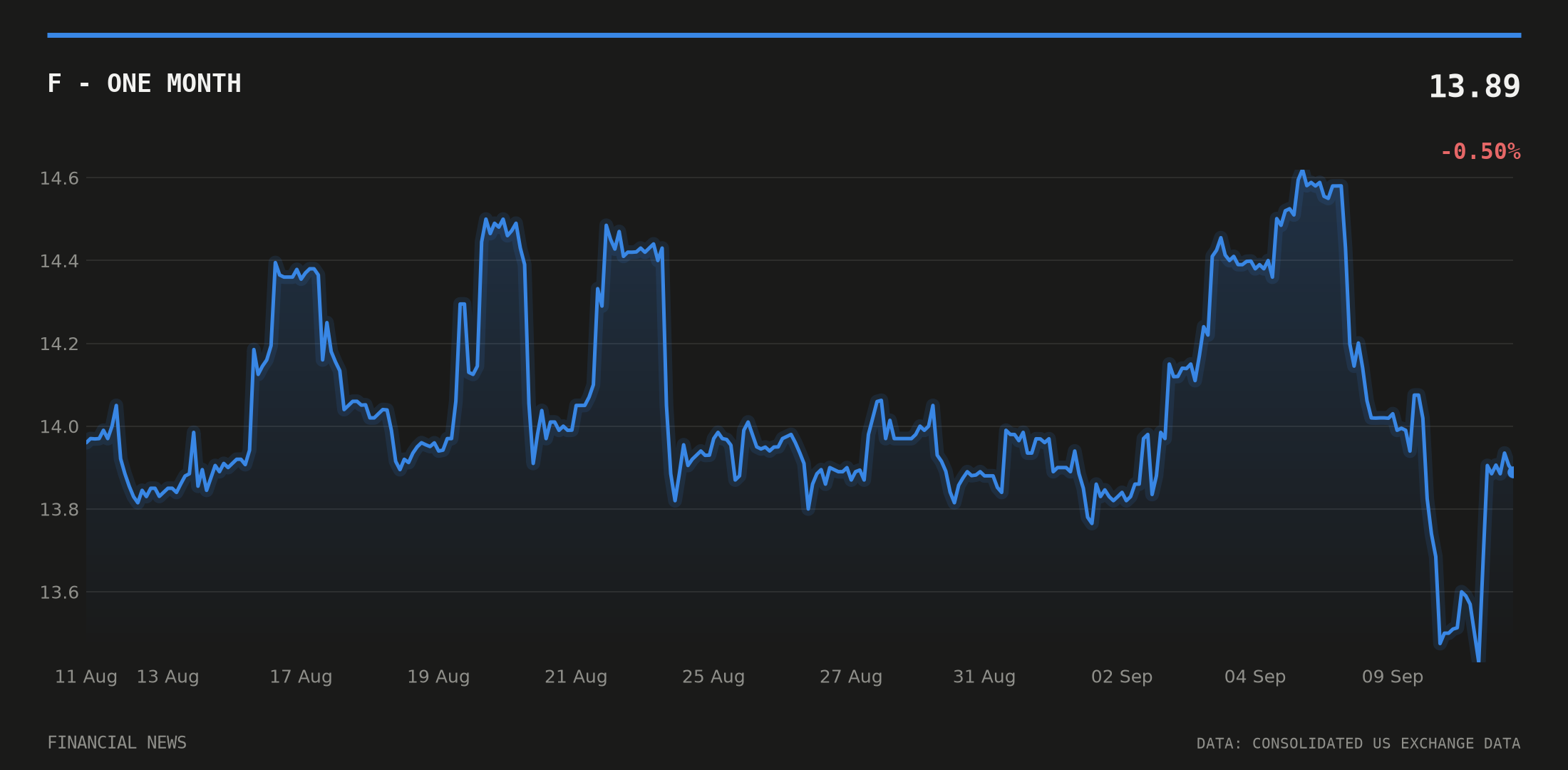
Ford shares fell roughly 4.2% the day the dispute broke before recovering slightly, according to market data cited by Parameter.io. The stock closed at $13.89 on 10 September 2026, up 1.6% on the day, though still down 0.79% over the prior 20 trading days.
What Duffy’s letter said
Duffy’s letter, dated 3 September 2026 and made public six days later, accused Ford of “actively intertwining its future with Chinese state-backed enterprises” and said the company “fails to act as [a] reliable partner” to the public, according to NOTUS, which reviewed the document. The Detroit News reported Duffy wrote that Ford’s “operational dependencies on strategic competitors” made its approach “not a sustainable strategy for the United States”.
The letter centred on three arrangements: a battery-technology licensing deal with China’s CATL at Ford’s Marshall, Michigan plant, a joint factory with Geely in Spain, and reported talks with BYD over hybrid components, according to Yahoo Finance. Ford’s rebuttal addressed each point directly.
Farley’s rebuttal, point by point
Farley denied Ford had proposed any Chinese joint-venture structure on US soil, saying: “N-O, period. That’s flatly wrong. Ford does not propose any framework described in the letter. We are America’s car company.” Ford’s own statement, reported by CNN Business, called the letter “a wrongheaded attempt to capture headlines at the expense of a company that has done more for American manufacturing than virtually any other in the nation’s history.”
On the CATL tie-up specifically, Ford said the arrangement is “a limited technology-licensing and services agreement, not a joint venture or foreign-owned manufacturing operation”, adding that Ford owns the Marshall plant outright and that it supports 1,700 jobs, per CNN’s reporting. A separate Ford spokesperson told The Hill the company remains “the most American automaker”.
An administration split on Ford
The dispute has also exposed daylight within the Trump administration itself. The White House’s own “Rapid Response 47” account posted the evening Duffy’s letter went public that “Ford is a GREAT American company and has done a tremendous job on increasing investments domestically and shoring production back to the U.S.”, according to Quartz.
Commerce Secretary Howard Lutnick had praised Ford’s move to reshore Lincoln Nautilus production to the US just a month earlier, even appearing in a joint interview with Farley to tout the shift, the Detroit News noted. That earlier messaging sits awkwardly alongside Duffy’s letter attacking the same company over its wider China exposure.
Positioning shifted before the letter went public
Trading data show bearish positioning building in Ford stock in the days around the dispute. The FINRA-reported short-sale volume ratio for Ford rose from 0.483 on 3 September, the date on Duffy’s letter, to 0.726 by 9 September, when the letter became public and Farley responded, according to FINRA daily short-sale data. Trading volume in the stock ran more than double its 20-day average as the story broke, consolidated exchange data show.
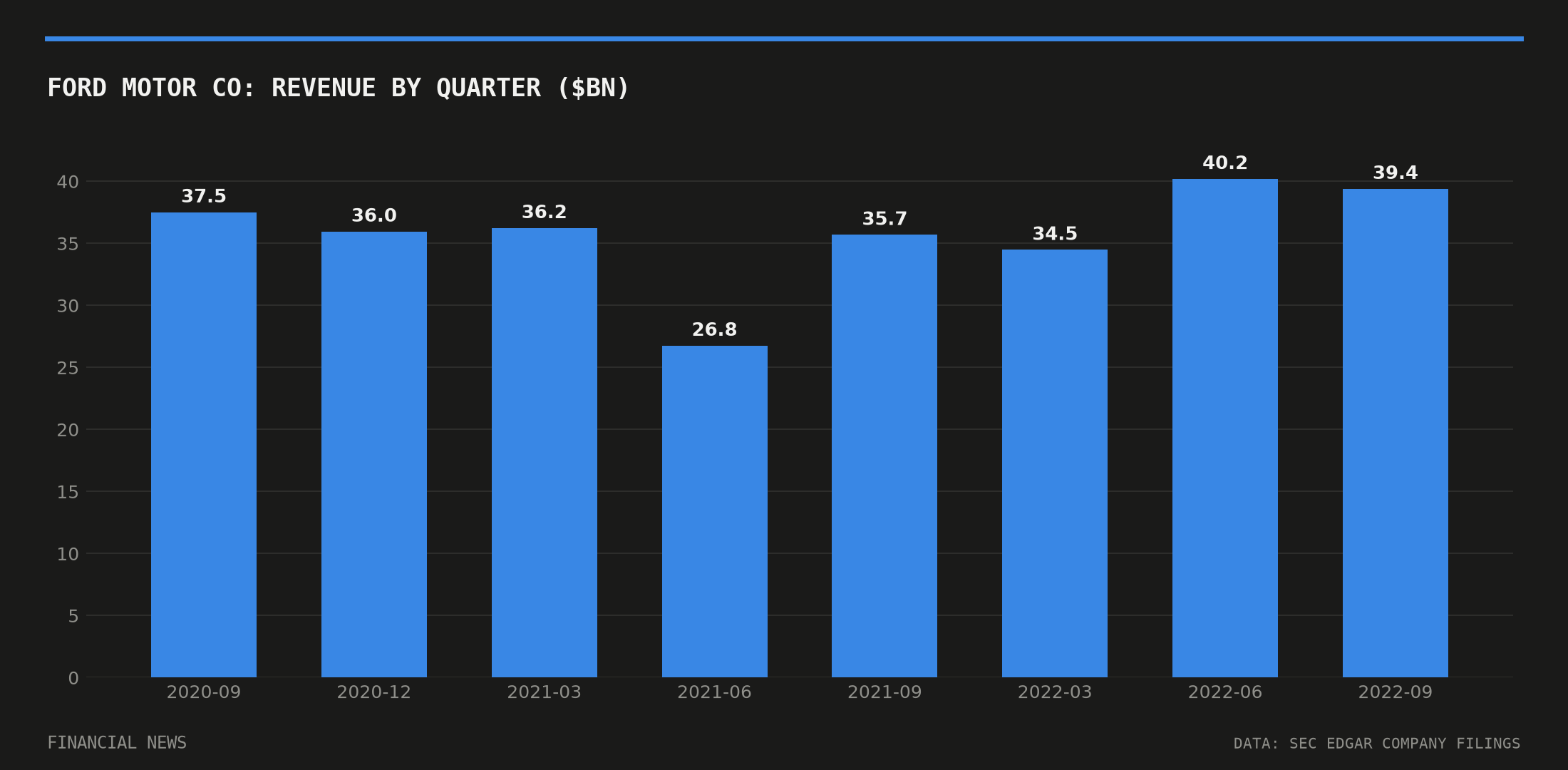
Ford’s financial backdrop adds context to the jobs argument at the centre of the row. The company reported a net loss of $36m for the second quarter of 2025, a marked swing from net income of $1.757bn in the first quarter of 2023, according to Ford’s SEC filings. Neither Duffy’s office nor Ford has indicated whether the two sides plan direct talks to resolve the dispute, though Farley’s suggestion of a “simple five-minute call” points to one possible next step.
This article is for information only and is not investment advice or a recommendation to buy or sell any asset. Markets move quickly; figures are correct as sourced at the time of writing. Always do your own research before making financial decisions.
