A cargo aircraft flying under Amazon’s Prime Air branding overran a runway at Miami International Airport on 6 September 2026, killing at least five people, the US Federal Aviation Administration said.
Five others were injured, three of them critically, after the Boeing 767-300 identified as Prime Air Flight 7598 skidded off Runway 30, struck several vehicles and came to rest in a field beside the airfield, according to CBS News Miami.
What happened during the Amazon cargo plane crash
The jet had departed Luis Muñoz Marín International Airport in San Juan, Puerto Rico, and overran the runway on landing at roughly 2pm local time, the FAA told NPR.
The incident forced a roughly three-hour ground stop at one of the country’s busiest airports, per CBS News Miami, and disrupted more than 450 arrivals and departures by Sunday night, according to FlightAware data cited by CNN. The disruption fell over the Labor Day weekend, one of the busiest travel periods of the US calendar, CNN noted.
Amazon-branded, but not Amazon-run
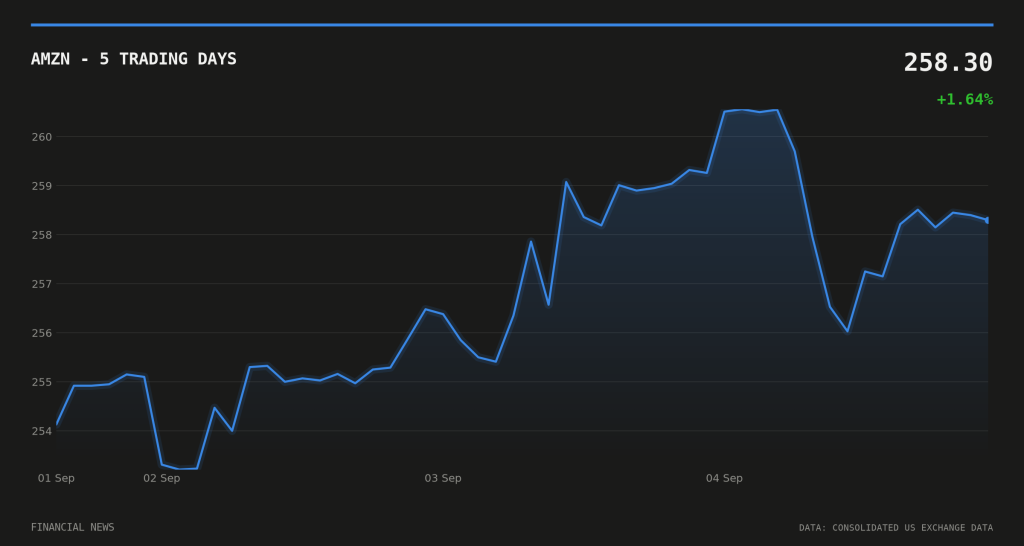
The aircraft carried Amazon’s Prime Air livery but was operated by 21 Air, a North Carolina-based contract cargo carrier, rather than by Amazon.com (NASDAQ: AMZN) itself, NBC News reported. Amazon Air functions as a virtual cargo airline, chartering capacity from carriers such as 21 Air, Atlas Air and ATSG rather than employing its own pilots and crews.
21 Air’s chief executive, Keith Winters, said he was ‘devastated by the accident involving one of our aircraft’, according to CBS News Miami. The distinction over who operated the flight is likely to shape how liability and any regulatory findings are eventually apportioned.
The jet itself was 32 years old, originally built as a passenger aircraft before its conversion to freighter configuration in 2015, according to Flightradar24 data cited by ABC7 Chicago.
NTSB opens investigation
The National Transportation Safety Board dispatched a go-team to the crash site, with chairwoman Jennifer Homendy attending in person, and had scheduled a Monday morning update, according to NewsNation. Reuters also reported the NTSB was due to brief on the investigation.
It is not the first fatal accident on an Amazon-linked cargo route. In 2019 an Atlas Air 767 flying an Amazon-contracted service out of Miami crashed into Trinity Bay near Houston, killing all three people aboard, an earlier NTSB inquiry found.
Amazon’s own disclosures unaffected so far
Amazon’s most recent insider filing, a Form 4 for chief executive of Worldwide Amazon Stores Douglas J. Herrington, was filed with the SEC on 3 September 2026, three days before the crash and unconnected to it.
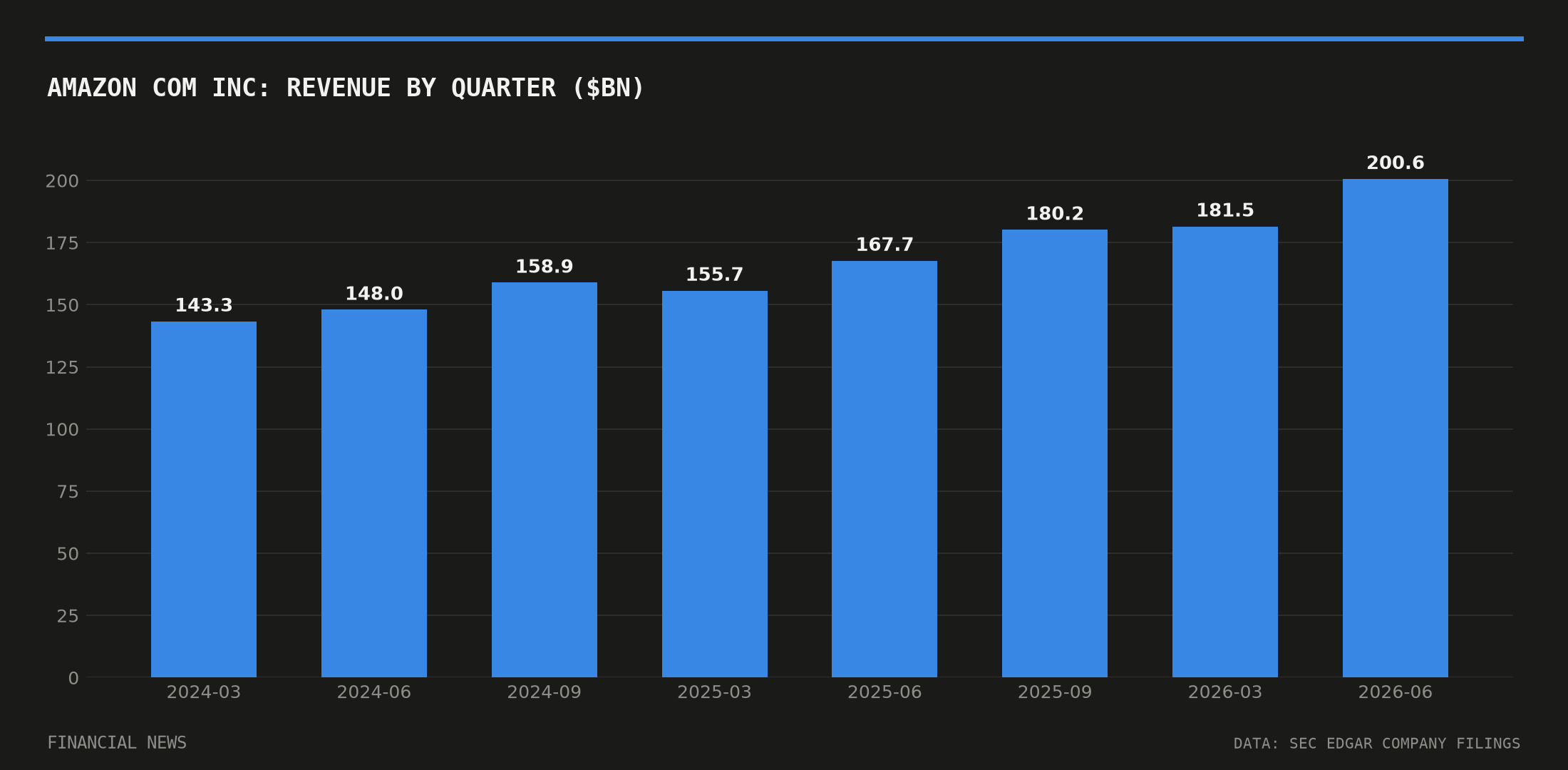
Amazon’s quarterly filings show net income of $62.6bn for the three months to 30 June 2026, on revenue of $200.6bn for the period, up from $181.5bn in the first quarter, per the company’s 10-Q filing. Those figures predate the Miami incident and offer no read on any operational cost the company might face from it.
Prime Air forms one strand of Amazon’s broader logistics network, which the company has expanded steadily alongside its retail and cloud-computing businesses. Any findings from the NTSB inquiry into runway overrun causes, aircraft maintenance history or crew procedures at 21 Air could feed into wider scrutiny of ageing freighter fleets used across the contract cargo industry, given the 767’s three-decade service history before conversion.
The NTSB has not set a timetable for a preliminary report. Investigators typically issue an initial finding within 30 days of a fatal accident, with a fuller determination of probable cause following months later.
This article is for information only and is not investment advice or a recommendation to buy or sell any asset. Markets move quickly; figures are correct as sourced at the time of writing. Always do your own research before making financial decisions.