
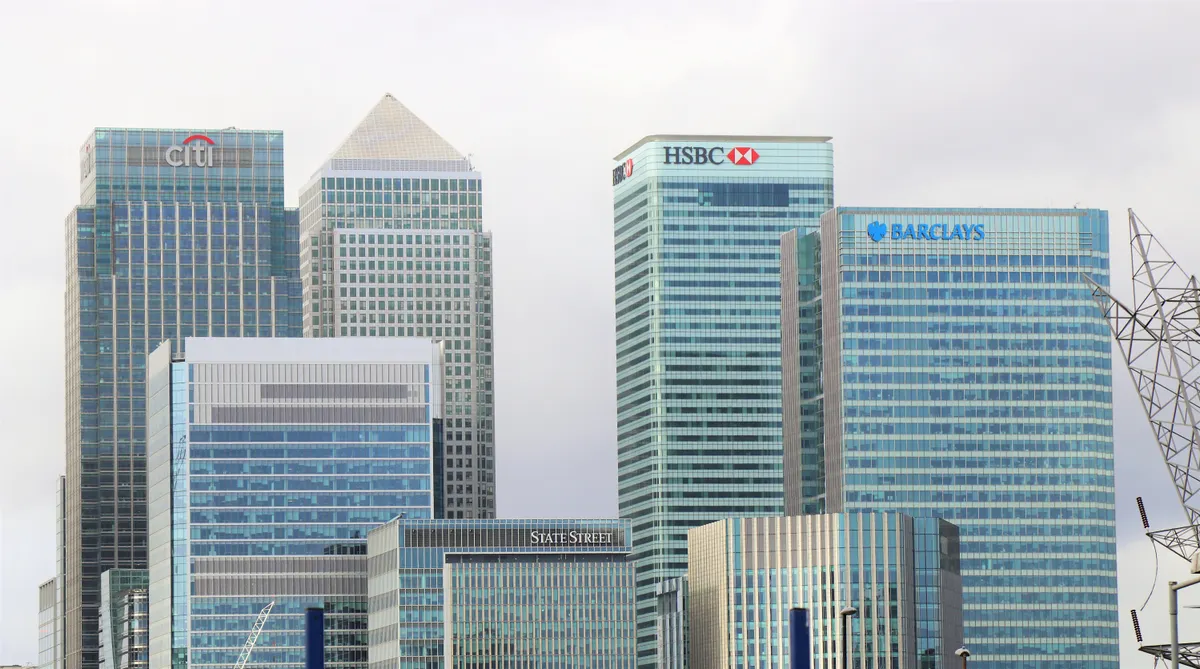

Pressure for a UK bank windfall tax intensified this week after Britain’s four largest lenders reported a combined £29.2bn in pre-tax profits for the first half of 2026, a 21% increase on the same period a year earlier. The results land at an awkward moment: Chancellor John Healey faces his first Budget on 28 October and campaign groups are already circling with fully costed proposals.
The Case for a UK Bank Windfall Tax
Positive Money published estimates this week showing a one-year windfall levy could raise £19bn from NatWest, Lloyds, Barclays and HSBC alone. The group’s methodology applies a 38% rate to the big four’s UK profits, matching the Energy Profits Levy rate used on oil and gas companies.
HSBC led the pack with £14.5bn in H1 2026 pre-tax profit. Barclays posted £6.1bn, while Lloyds and NatWest each reported £4.3bn.
Positive Money described the £13.7bn paid out to shareholders across the quartet as evidence ‘they can easily be paying more tax,’ and called on Prime Minister Andy Burnham to ‘break with his predecessors by resisting the demands of City lobbyists.’
The TUC has taken a separate but parallel position, proposing to raise the bank surcharge to 35%, in line with the former Energy Profits Levy rate, on top of corporation tax. The trade union body estimates that would generate £12bn in 2026/27 and £51.2bn over four years. Its analysis of HMRC data shows UK banks posted £37bn in profits in 2023/24, up 41% from £26.3bn in 2019/20.
Dianne Abbott, Mother of the House of Commons, added her voice after Barclays deepened its bonus pool. ‘The government should increase bank taxes, and government has plenty to ways to invest it unlike Barclays,’ she wrote on X.
How Banks Are Playing the Burnham Moment
Asked directly whether they fear a tax raid, the big four’s chief executives deflected without exception. Lloyds chief executive Charlie Nunn declined to be drawn three separate times. ‘It’s very much a decision for the government,’ he said. ‘Let’s wait and see.’ NatWest chief executive Paul Thwaite offered the same holding line: ‘If you want a strong economy, you need strong banks.’
Rather than mount an open defence, the lenders have sought to align themselves with Burnham’s devolution agenda. NatWest committed £20bn in funding to the North of England over ten years as part of its ‘Growing Together’ plan, announced on 18 May 2026 at the Great North Investment Summit in Leeds, which NatWest sponsored. Thwaite shared the stage with Burnham at that event.
Research released alongside the NatWest announcement found that 65% of senior business decision-makers believe giving regional leaders more control over funding would boost investor confidence, and 65% said they would be more likely to invest where funding is stable and long-term.
HSBC chief executive Georges Elhedery stressed his bank’s geographic spread, pointing to data centres in Sheffield, HSBC UK’s Birmingham headquarters and its largest call centre in Swansea. The UK bank windfall tax debate has accelerated the calculation that visible regional presence may carry more political weight than profit figures alone.
JPMorgan’s £3bn Tower and a Separate Fault Line
Away from the big four, JPMorgan’s planned £3bn Canary Wharf tower is emerging as a test of where Burnham and Healey draw the line on business incentives. The 265-metre development, which secured clearance from London City Airport and would be the tallest building in the Canary Wharf district, is contingent on a favourable business environment and necessary approvals, according to JPMorgan. The bank says the tower would create a workplace for up to 12,000 employees.
The Times reported that the Treasury is proposing a business rates discount of up to 100% to secure the project. Tower Hamlets Council’s early modelling suggests the arrangements could return £1bn to £1.6bn to the borough over 25 years.
JPMorgan chief executive Jamie Dimon has said the bank will not proceed if the government turns ‘hostile’ to the sector. The business rates exemption remains unresolved, and the legal process has been complicated by the change in administration.
The arithmetic is awkward for Burnham: a UK bank windfall tax wins political ground but risks accelerating a confrontation with the US lender over a project his government has gone to considerable lengths to court. The Budget on 28 October will force the issue.
