

A phone rang last September while Commerce Secretary Howard Lutnick was seated across from Kazakh President Kassym-Jomart Tokayev in one of New York’s more sedate luxury hotels. The outlines of a deal involving one of the largest untapped tungsten reserves in the world were virtually sealed by the time the call ended, and President Trump joined from wherever he was. It’s the kind of scene that sounds almost cinematic until you begin to unravel the layers beneath it.
The strategic reasoning behind the Trump administration’s framing of the Kazakhstan agreement as a national security necessity isn’t wholly incorrect. Approximately 80% of the world’s tungsten supply is currently under Chinese control, and Beijing has been tightening export regulations on the metal for the past few years. Computer chips, fighter jet parts, and missile warheads all contain tungsten.
From about $340 per metric ton to well over $3,000, the price has skyrocketed. Since 2015, the United States has not operated a commercial tungsten mine. From that perspective, gaining access to a significant deposit in Kazakhstan makes some sense. Who ended up on the other side of the financial equation is what makes it truly, uncomfortably complicated.
The Export-Import Bank and the U.S. International Development Finance Corporation granted preliminary approval for up to $1.6 billion in potential federal financing to the American company at the center of the transaction, which is now known as Kaz Resources Inc. Backed by American taxpayers, that is actual money. Tau-Ken Samruk, the state mining company of Kazakhstan, and the U.S.-side entity each own a 70% share in the joint venture. On paper, it sounds exactly like the reshoring of supply chains that Washington has been advocating for years.
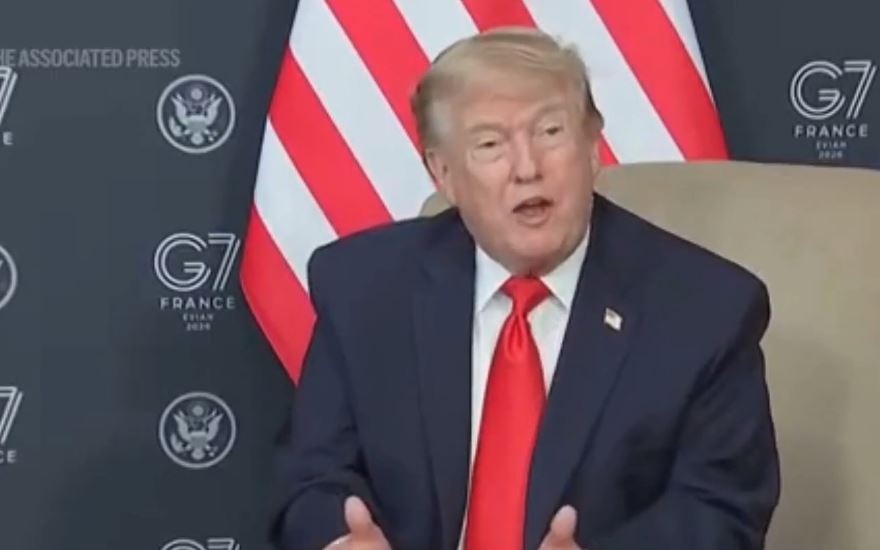
October then arrived. Investors from Dominari Securities, a Trump Tower-based company partially owned by Donald Trump Jr. and Eric Trump, purchased a 20 percent share in a project-related corporate entity within weeks of the St. Regis negotiations. The timing was exact. Six days after that investment was completed, the U.S.-Kazakhstan agreement was formally signed.
This series of events has not gone unnoticed. Described as a possible $2 billion federal assistance package flowing toward a deal with traceable family ties, Senator Elizabeth Warren has formally questioned the heads of the pertinent financing agencies.
Cantor Fitzgerald, which is run by Commerce Secretary Lutnick’s sons, assisted one of the project’s principal investors in raising an additional $210 million around the same time Dominari moved in. For companies like Cantor, these fundraising rounds usually bring in millions of dollars in fees. Any allegations of improper behavior have been refuted by the Lutnick and Trump families. According to White House spokesperson Kush Desai, decisions made by the administration are motivated by American interests rather than personal ones.
That might be absolutely true. For American defense manufacturing, tungsten actually matters. Kazakhstan is a real nation rich in minerals. A $4.2 billion Wabtec locomotive agreement and a $7 billion Boeing aircraft purchase by Air Astana are also part of the larger bilateral deal, neither of which is particularly mysterious. Even though the execution appears to be unethical from the outside, there is a sense that the policy goal is justifiable.
However, the administration doesn’t seem to be willing to recognize the difference between a clean process and a legitimate policy outcome. It is not coincidental to see the same family names recurring in important minerals deals; the New York Times identified at least 14 such projects with connections to the Trump or Lutnick families. It seems to follow a pattern.
The ranking Democrat on the House committee looking into the mining industry, Representative Maxine Dexter of Oregon, put it this way: Congress must ensure that public funds serve the interests of the public, not the financial circles surrounding those in charge. That is a fundamental standard that is difficult to dispute. In all honesty, it’s still unclear if this deal will satisfy it.
