

Uber Technologies (NYSE: UBER) said on 13 August 2026 that its Japan unit has signed an operational partnership with taxi operator Hinomaru Kotsu Co. to run day-to-day fleet operations for its Tokyo robotaxi pilot, as first reported by Business Wire.
The Uber Tokyo robotaxi pilot is scheduled to launch in late 2026, with Hinomaru Kotsu handling depot operations, vehicle cleaning, maintenance, inspections, charging and uptime.
Why Uber needs a taxi operator to run a robotaxi
Japan bars private ride-hailing outright, forcing any autonomous-vehicle operator to route rides through a licensed taxi company. That rule shapes the entire deal: Hinomaru Kotsu, not Uber, will legally manage the vehicles on Tokyo’s roads, a structure Japan Today has described as the standard route for foreign platforms operating in the market.
Hinomaru Kotsu already runs Uber Premium services in Tokyo, including a fleet of 100 Tesla Model Y vehicles introduced from 2023, so the robotaxi deal extends an existing commercial relationship rather than opening a new one.
A wire report from RTTNews quoted Uber confirming that Hinomaru Kotsu safety operators would be aboard during the initial rollout, ‘ahead of fully driverless operation later’ as the pilot matures.
The deal that made the headlines in March
The operational agreement puts flesh on a memorandum of understanding Uber signed with Nissan and UK autonomy developer Wayve in March 2026, under which Nissan Leaf EVs fitted with Wayve’s AI Driver system would become bookable through the Uber app in Tokyo, according to Uber’s own investor relations disclosure.
Reuters, covering that MOU at the time, reported that Uber intended to bring the service to market through a licensed taxi partner in Japan, a detail the Hinomaru Kotsu announcement now fills in with a name, according to the report carried on Yahoo Finance.
Wayve, the AI Driver developer behind the technology, closed a large funding round shortly before the March MOU that valued the company in the billions, according to AIBusiness, underlining investor appetite for the underlying software even as the commercial rollout depends on unglamorous fleet logistics.
Uber and Wayve have said the Tokyo pilot sits inside a broader plan to bring robotaxi services to more than ten cities worldwide, including London, according to the March Business Wire release announcing the tie-up. Tokyo is also not Uber’s first Japanese ride-hailing workaround: the company struck a similar taxi-operator arrangement with Kaga Daiichi Kotsu to launch ridesharing in Kaga City, Ishikawa prefecture, Japan Today has reported.
Shares and positioning ahead of the launch window
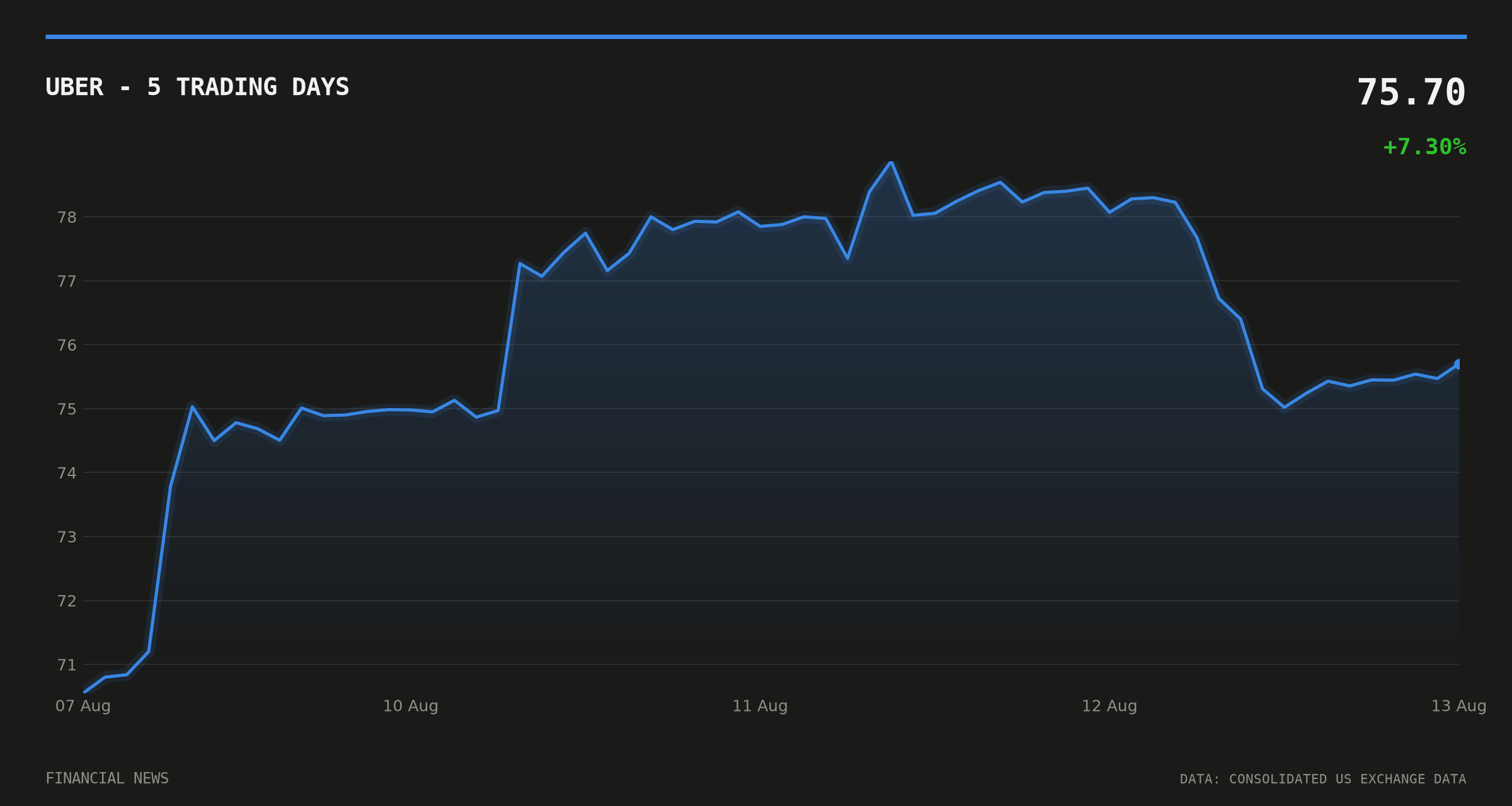
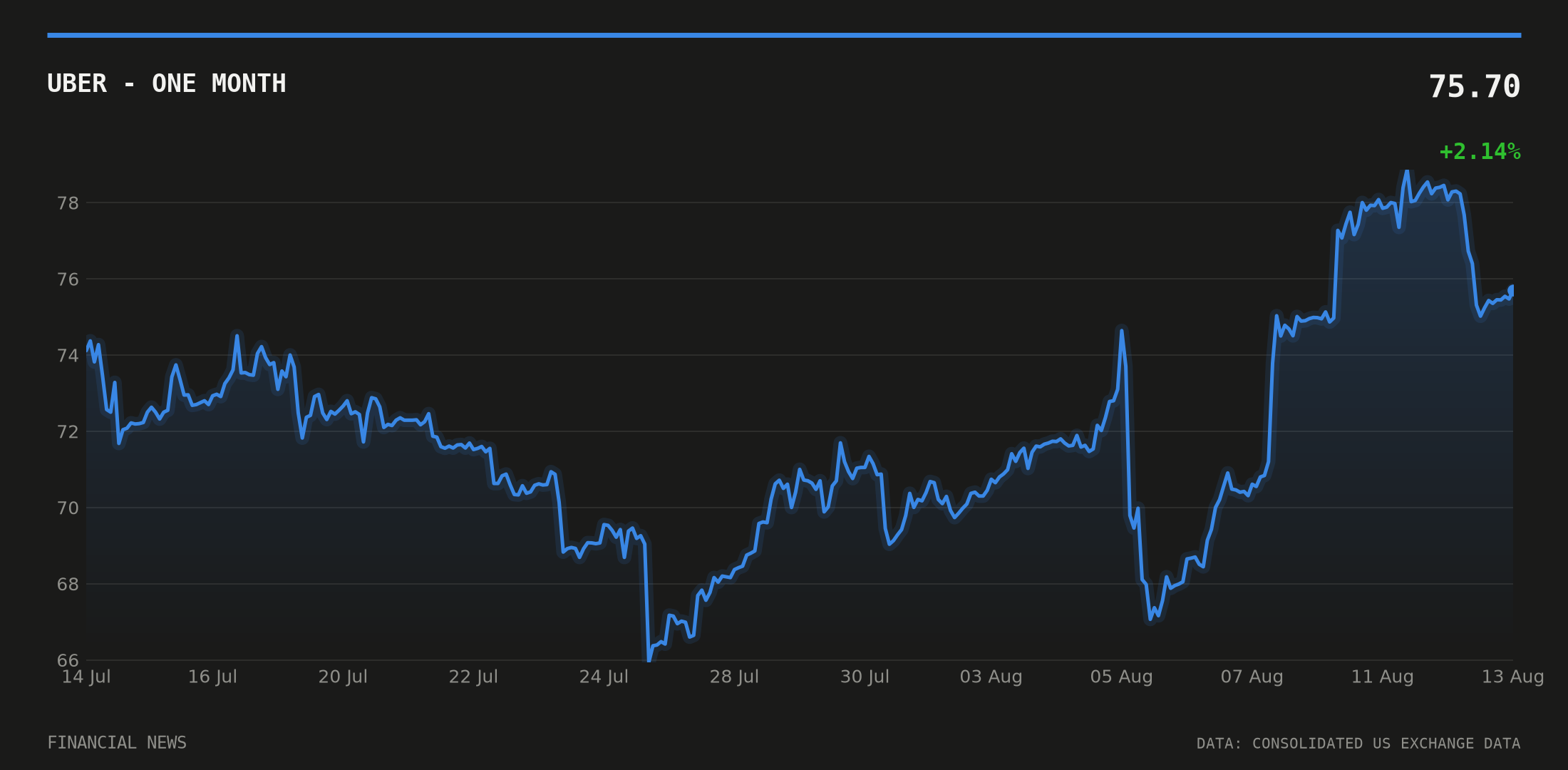
Uber shares last traded at $75.70 as of 08:00 UTC on 13 August, up 0.61% on the day and 7.24% higher over the prior 20 trading sessions, according to consolidated US exchange data. The stock has traded between $65.94 and $78.87 over that stretch.
FINRA daily short-sale data shows the short volume ratio on UBER rose to 0.501 on 12 August, up from 0.414 on 4 August and 0.316 on 31 July, according to FINRA figures, indicating a higher share of trading volume attributed to short sales in the run-up to the announcement.
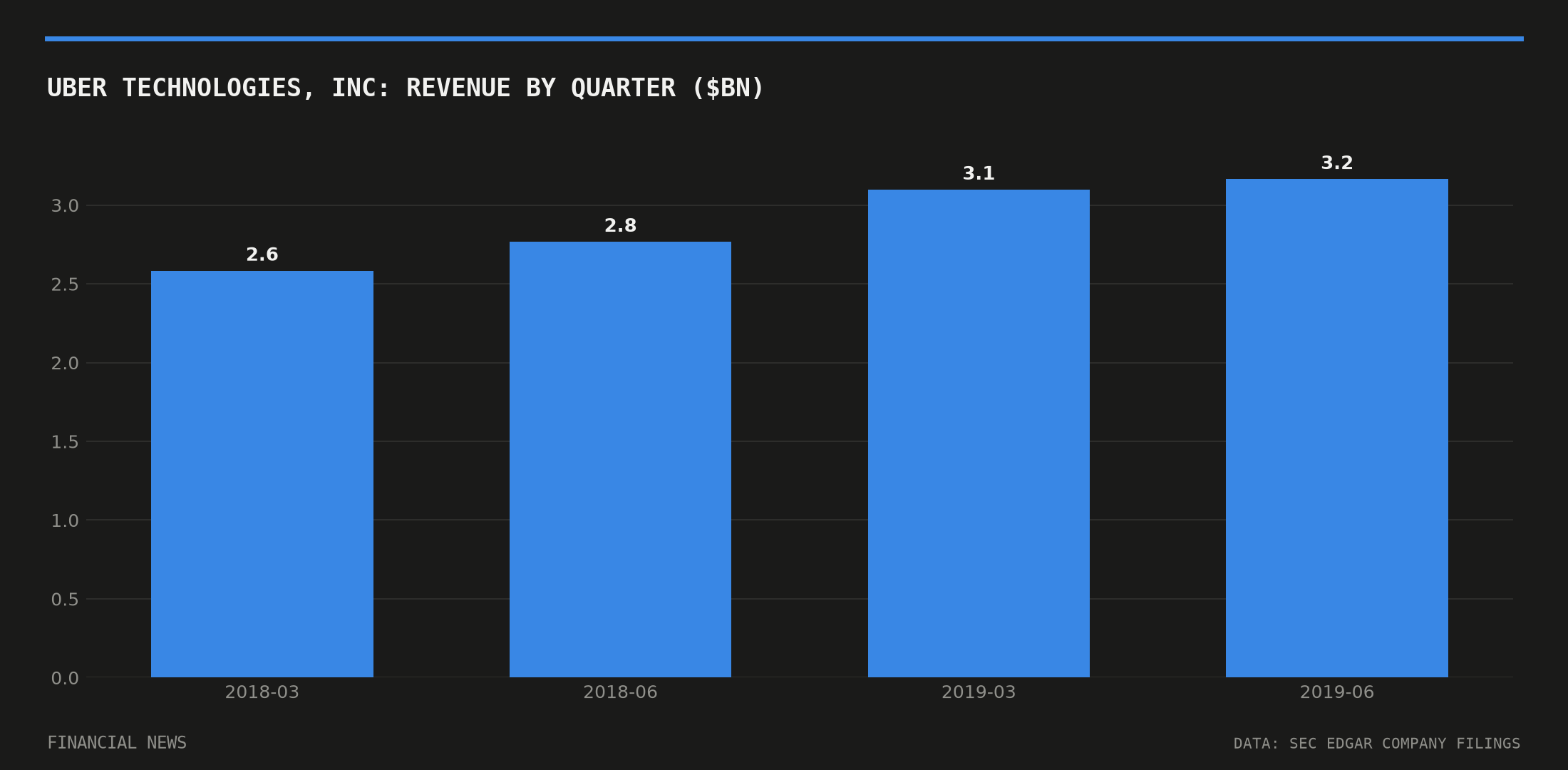
The operational news lands alongside a period of steady underlying financial performance: Uber reported revenue of $13.203bn and net income of $263m for the first quarter of 2026, with diluted earnings per share of $0.13, according to its 10-Q filing with the SEC. That followed a full-year 2025 in which the company posted $52.017bn in revenue and $10.053bn in net income, per its annual report filed with EDGAR.
What happens next
No date beyond ‘late 2026’ has been set for the Tokyo pilot’s public launch, and Uber has not disclosed how many Nissan Leaf vehicles will be deployed at the outset. Market participants will be watching for confirmation of a firmer launch date, additional taxi-operator agreements in other cities named in the March MOU, and any update on Wayve’s driverless-operation timeline once safety operators are phased out of the Tokyo fleet.
This article is for information only and is not investment advice or a recommendation to buy or sell any asset. Markets move quickly; figures are correct as sourced at the time of writing. Always do your own research before making financial decisions.
