
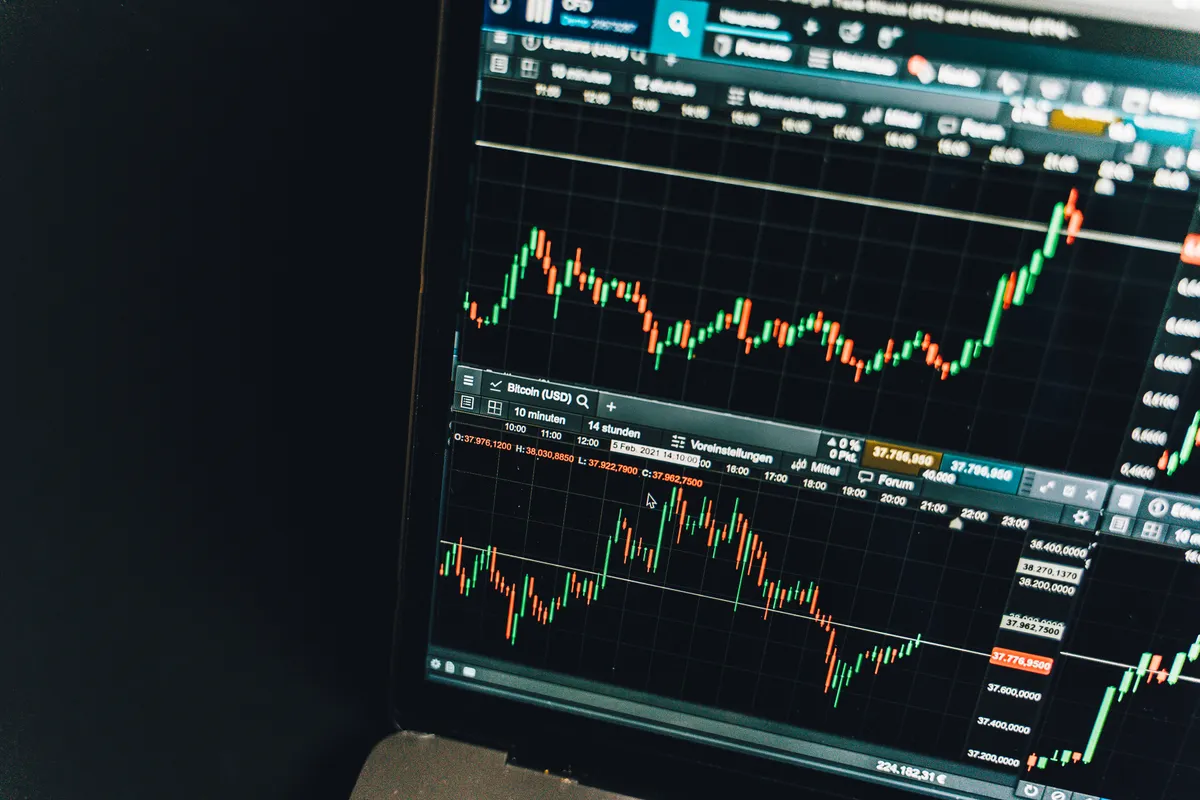

MT4 counter-trend systems are drawing increased attention from professional currency traders who want structured exposure to price reversals rather than late entries into fading momentum moves. The automation layer matters: algorithms apply the same rules to every setup, removing the hesitation that costs manual traders time and capital.
Why Reversal Logic Is Gaining Ground in Currency Markets
Trend-following has long dominated forex strategy. The flaw is entry timing: traders who join an established move often arrive as momentum fades, and a sharp reversal quickly turns a late entry into a loss.
Counter-trend systems flip that logic. Rather than joining a move, they scan for exhaustion, using indicators such as RSI and Bollinger Bands to identify overbought or oversold conditions. One counter-trend Expert Advisor available on the MQL5 Market combines RSI, Bollinger Bands, and the Average Directional Index (ADX) to evaluate reversal conditions simultaneously, an approach that reduces reliance on any single signal.
MetaQuotes ships MetaTrader 4 with 30 built-in technical indicators and 24 graphic objects for price analysis, giving developers a substantial toolkit for building and refining counter-trend logic. Expert Advisors, the platform’s trading robots, can be sourced from the Code Base at no cost, licensed from the Market, or commissioned from Freelance developers.
Before live deployment, the platform’s built-in MQL4 IDE includes a Strategy Tester that backtests and optimises Expert Advisors against historical data, a step that is standard practice before committing real capital.
How MT4 Counter-Trend Systems Manage Reversal Risk
The core risk in counter-trend trading is premature entry: buying into a falling market or selling into a rally that has further to run. Automated systems address this by embedding protective rules in the strategy code itself.
Defined account minimums, such as a baseline of $1,000, maintain the intended position-sizing structure. Higher-tier systems monitor historical performance and cap drawdown; one tested framework recorded a maximum historical drawdown of 40.12% across multi-year backtesting dating back to 2016. Dynamic stop distribution spreads exposure across multiple smaller entries rather than concentrating risk in a single large position.
Timeframe selection reinforces risk discipline. One-minute and five-minute charts generate excessive noise; daily charts react too slowly to shorter-term turning points. The 30-minute interval sits between those extremes, providing enough price history per candle to confirm structural changes while filtering out random intraday movement. Under this framework, algorithms typically execute between zero and seven trades per day, limiting unnecessary transaction costs and keeping exposure controlled during low-liquidity periods.
Quantitative evidence on XAUUSD, a market frequently targeted by counter-trend frameworks, illustrates the performance trade-offs involved. A backtest analysis covering 8,693 trades across H1 and daily timeframes found that an EMA Swing strategy on the daily timeframe achieved a profit factor of 1.85 with a 38.1% win rate. H1 timeframes produced more trades but lower expectancy across most strategies tested.
Regulatory Backdrop for Algorithmic Currency Trading
Automated strategies do not operate outside regulatory scrutiny. In the United States, FINRA requires member firms engaged in algorithmic trading to comply with FINRA Rule 3110 on supervision. FINRA has also proposed registration requirements for individuals who design, develop, or significantly modify algorithmic trading strategies.
The Commodity Futures Trading Commission (CFTC) went further with its proposed Regulation AT, which sets out risk controls, transparency measures, and other safeguards for automated trading on US designated contract markets. The proposal followed a 2013 Concept Release on risk controls and system safeguards in automated trading environments.
For UK and European participants, equivalent obligations apply under domestic and EU market-conduct frameworks. Traders deploying Expert Advisors through offshore brokers should verify the regulatory status of both the broker and the strategy under applicable local rules before committing capital.
With CFTC scrutiny of automated futures and forex trading continuing to develop, the compliance overhead for institutional-grade algorithmic strategies is rising. That pressure makes the backtesting and supervision infrastructure baked into MetaTrader 4 more relevant, not less, for serious participants looking to document their risk controls.
