

Traders look at a certain number in the same way that drivers look in the rearview mirror. Fast. nearly uncontrollable. The CBOE Volatility Index ended the afternoon of May 15 at 18.43, up almost seven percent in a single session. For the majority of people, that is meaningless. For those who inhabit trading screens, it signified a twitch in the nervous system of the market.
The VIX is not a business. People search for “VIX stock” all the time, as if it were a tangible asset in a portfolio, even though you can’t own a piece of it like you can own a share of Apple. Based on the prices that investors are willing to pay for options, it calculates the anticipated fluctuations in the S&P 500 over the next thirty days. The number increases as fear increases. Because it’s honest, it earned the moniker “the fear gauge,” which has stuck.
This specific moment is peculiar because of the contradiction. The Nasdaq had been rising for weeks, the S&P 500 was close to all-time highs, and Goldman analysts were openly discussing a “up crash,” a term that sounds almost fictitious until you see it happen. Stocks are rising quickly and with a restless energy. Despite this, the VIX has increased by 23% this year. The markets are rising. Fear is rising as well. It’s possible that those two items shouldn’t go together, and perhaps they don’t.
I’ve been keeping an eye on this gauge for a while, and there’s a pattern that never really goes away. Long, flat stretches in the low teens, which are the calmest readings, frequently appear just before the floor moves. The VIX hit 13.38 back in December, which is a depressing figure. It reached a peak of 35.30 by March. That was not a gentle climb at all. The gauge does not drift toward panic, as anyone who recalls the brief, violent jump to 65 in August 2024 or the pandemic reading above 85 in March 2020 will attest. It jumps.
Mandy Xu of Cboe makes the counterintuitive claim that the current volatility is coming from the upside rather than the downside in a CNBC video that is making the rounds. The reason markets are shaking is not because they are declining, but rather because they are rising too quickly and eagerly. It’s an odd notion, and to be honest, its viability is still up for debate. However, it clarifies the peculiar atmosphere that has been present on trading desks lately—a blend of avarice and fear.
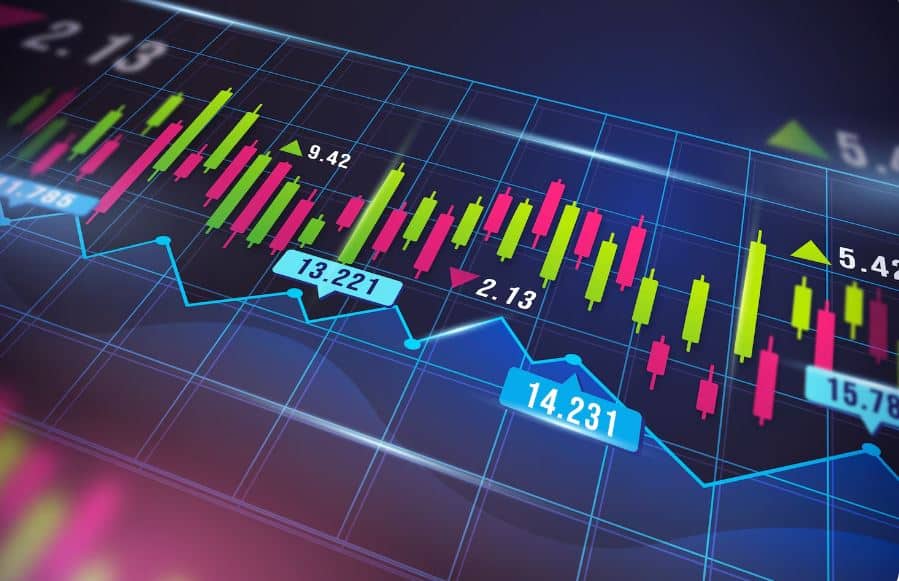
Of course, people attempt to trade this. Investors want exposure to fear itself, which is why products like VIXY and the leveraged UVXY exist. That same week, UVXY closed at about 35.76. People who purchase these instruments often have to pay a high price to learn that they are notoriously harsh, deteriorating over time like ice melting in a warm room. They are viewed with suspicion by seasoned traders for a reason.
Observing all of this, what remains is the extent to which the VIX serves more as a mirror than a forecast. It makes no predictions about the future. It depicts what a group of anxious, optimistic, and powerful people think the near future may bring. An 18 reading does not indicate a crisis. It’s also not serene. It occupies that uncomfortable space where doubt and confidence clash.
According to headlines that week, traders were “looking for direction,” with both bulls and bears believing that 1999 might return. Anyone should think twice after reading that comparison. Up until it didn’t, nineteen ninety-nine also experienced euphoria.
As a result, the number ticks. Nineteen, eighteen, down again, up again. Nobody can truly predict what will happen next. Seldom do they. However, it’s difficult to ignore the fact that the gauge is awake once more, observing the celebration with a raised eyebrow.
