
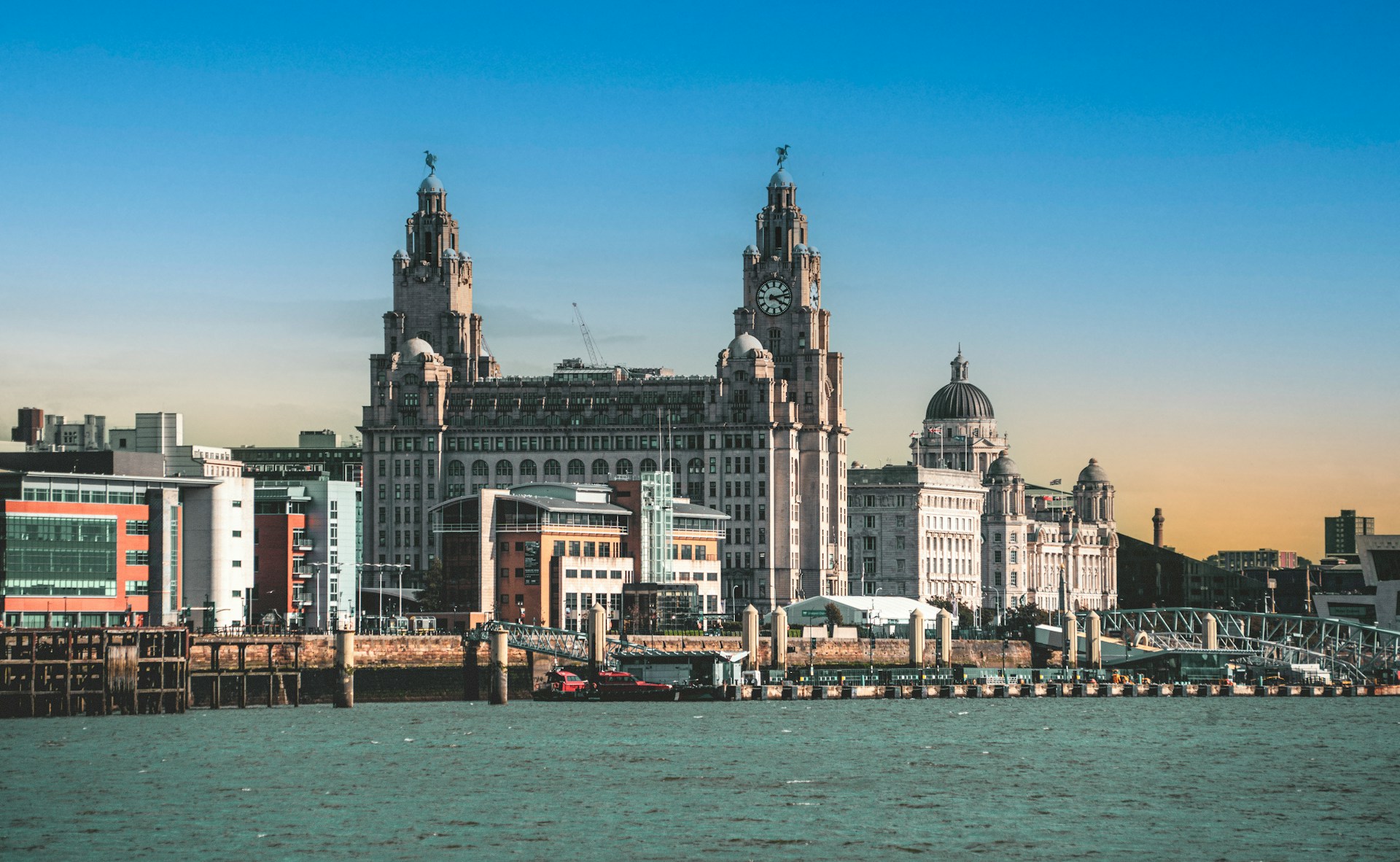

Liverpool’s property market has never stood still, but the pace at which investor attention is concentrating on particular districts has quickened noticeably as 2026 gets underway. Regeneration spending, shifts in how people want to live and work, and the gradual maturing of several large-scale development schemes have together produced a city that looks quite different from the one that first caught the eye of yield-hungry buyers a decade ago. The broad appeal remains, yet within it a handful of locations are pulling ahead.
- The Baltic Triangle
Few parts of Liverpool have undergone as complete a reinvention as the Baltic Triangle. What was, not so long ago, a largely forgotten stretch of former industrial land to the south of the city centre has become the address of choice for independent businesses, creative agencies and the technology companies that increasingly define where young professionals choose to put down roots. The transformation has been gradual but unmistakable, and the residential market has followed the commercial one with some enthusiasm.
Apartment schemes positioned within walking distance of the city centre have attracted particularly strong occupier demand, and the district’s growing collection of restaurants, bars and cultural venues has only added to its pull. For tenants who prize both employment access and a neighbourhood with some character, it ticks a lot of boxes.
- The Knowledge Quarter
The Knowledge Quarter tells a different but equally compelling story. Anchored by two major universities, a cluster of research institutions and some of the city’s largest healthcare employers, this district has absorbed sustained public and private investment over many years, all of it directed at building Liverpool’s credentials in science, medicine and innovation. The practical consequence for landlords is a tenant base that is both large and relatively stable, drawn from the academic community as much as from the professional one, and persistently concentrated in an area where new supply has struggled to keep pace with demand.
- Liverpool Waters
Liverpool Waters occupies a different position in the investment conversation, one defined as much by long-term potential as by current performance. The scheme, which stretches along the northern docks and forms the centrepiece of the wider waterfront transformation, is among the most ambitious regeneration projects anywhere in the country, with residential, commercial and leisure uses planned across a site that will take years to fully realise. Investors who have been tracking the area are paying close attention to how infrastructure delivery and development momentum translate into occupier demand in the surrounding streets, where the spillover effects of a project on this scale can be considerable.
Further locations
Beyond the headline regeneration zones, districts such as the Ropewalks and parts of South Liverpool continue to attract steady interest from buyers who value the combination of period housing stock, established amenities and reliable transport connections. These areas have benefited quietly from wider improvements to the residential environment and tend to appeal to tenants with longer-term outlooks, particularly those with ties to nearby universities or employment along the commuter corridors out of the city centre.
The focus on affordability
Running through all of this is the question of price, and here Liverpool retains a genuine structural advantage over many of its regional peers. Entry costs remain meaningfully lower than in comparable cities, yet tenant demand has held up well, sustained by a large student population, an improving graduate retention rate and an economy that has broadened its base considerably over the past ten years.
That relationship between accessible pricing and robust occupier demand is what investors scrutinising long-term fundamentals tend to find most persuasive, particularly at a moment when short-term market signals elsewhere in the country have become harder to read.
Shifting preferences
What tenants want from a property has also shifted in ways that are reshaping where investment capital flows. Energy efficiency, quality communal amenities and proximity to both work and leisure have moved from desirable extras to near-essential criteria for a growing proportion of renters, and that has directed attention firmly towards newer schemes in regeneration areas at the expense of older stock that would require significant capital expenditure to bring up to current expectations.
None of this makes Liverpool immune to the pressures affecting property markets more broadly, and investors would be unwise to approach any opportunity without careful scrutiny of local supply pipelines and planning dynamics. But the city’s regeneration ambitions remain credible, its rental market continues to broaden and deepen, and its relative value proposition still holds up against the alternatives. As a result, it retains its place among the most closely watched regional markets in the country as 2026 progresses.
