
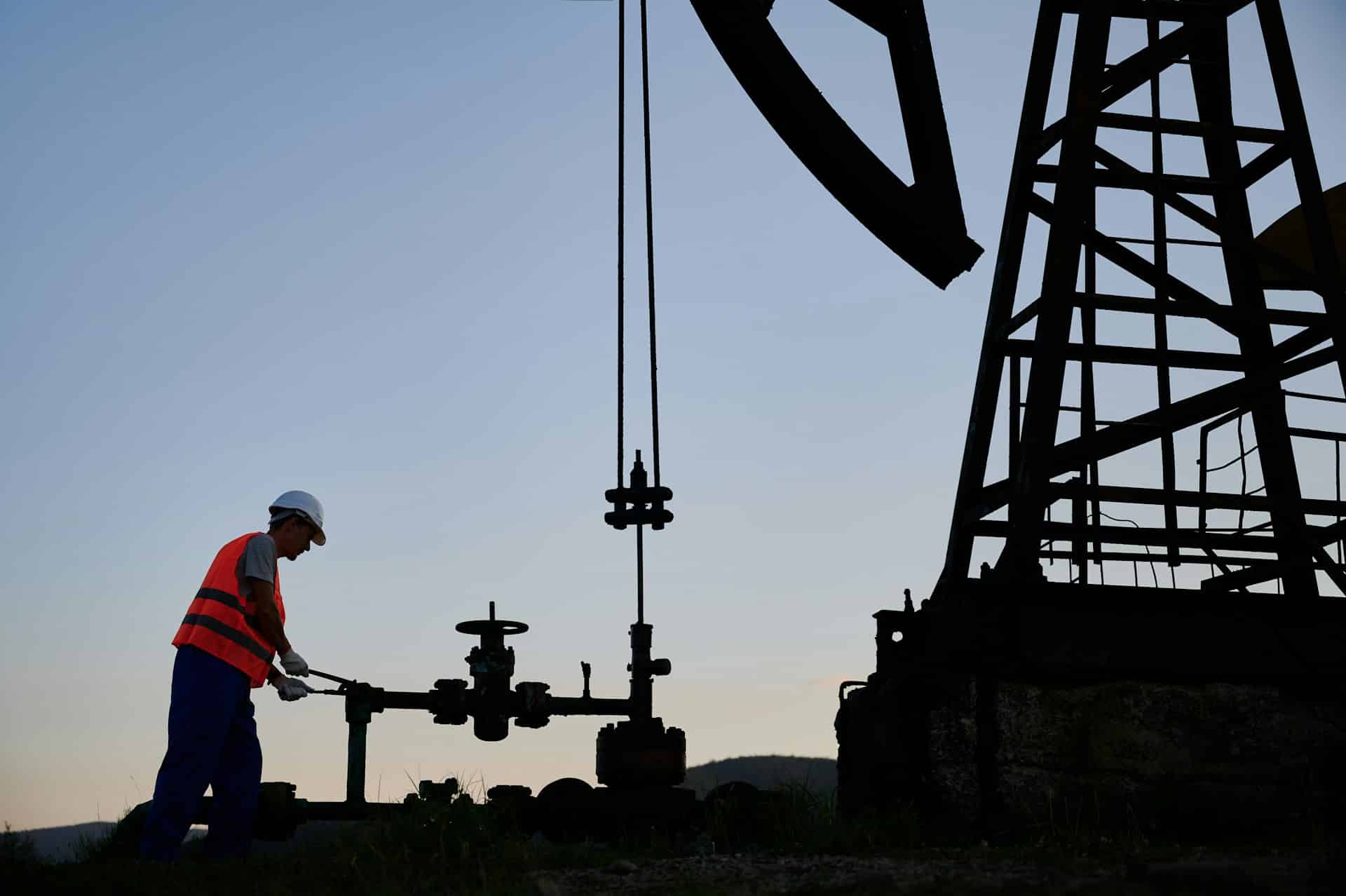

Brent crude futures closed at $112.78 a barrel on March 29, the steepest monthly rise in LSEG data going back to 1988. The increase capped a 57% surge for the month that exceeded gains recorded during the 1990 Gulf War. The U.S. benchmark crude oil, West Texas Intermediate, settled above $100 a barrel for the first time since July 2022, posting its largest monthly advance since May 2020.
The immediate trigger is the effective closure of the Strait of Hormuz, a chokepoint for roughly a fifth of global oil and gas supplies, following the escalation of U.S. and Israeli strikes on Iran. The conflict had shrunk global oil supplies by approximately 11 million barrels per day as of March 23, according to International Energy Agency Executive Director Fatih Birol. Analysts polled by Reuters estimated that oil prices could climb to $200 a barrel if export facilities at Kharg Island, a hub for around 90% of Iran’s oil exports, were struck, with an average forecast of $153.85 under that scenario.
A two-week ceasefire announced on April 7 triggered a dramatic initial market reaction: Brent plunged approximately 13% to $94.80 per barrel and WTI fell more than 16% to $94.41, the single largest one-day decline for either benchmark since the April 2020 pandemic lows.
However, the relief proved short-lived. Despite the ceasefire framework calling for an immediate reopening of the Strait of Hormuz, tanker traffic through the strait remained effectively halted within 24 hours as Israel continued military operations in Lebanon, and prices climbed back toward $99 per barrel. U.S.–Iran peace talks held in Pakistan over the weekend of April 11–12 then collapsed without agreement. On April 12, U.S. Vice President JD Vance confirmed the negotiations had failed, and President Trump subsequently declared a U.S. naval blockade of the Strait of Hormuz, a measure that would compound the existing Iranian-imposed closure.
U.S. Central Command announced the blockade would apply to all maritime traffic entering and exiting Iranian ports, effective the morning of April 13. Oil prices surged immediately on the news: WTI climbed back above $104 per barrel and Brent rose above $101, erasing most of the ceasefire-driven decline. Under sustained disruptions, the analyst consensus forecast for Brent remains above $130.
For a wide range of businesses that purchase raw materials, distribute goods or manage supply chains tied to oil prices, the speed of the move has created an acute and immediate liquidity problem. Firms such as EquitiesFirst, which specialize in equity-backed financing, may be an avenue for business owners and shareholders seeking to access capital amid this liquidity crunch.
Stagflation Signals Across G7 Economies
The speed and breadth of the oil shock is already visible in real-time economic data. S&P Global’s flash euro zone composite Purchasing Managers’ Index fell to a 10-month low of 50.5 in March, down from 51.9 in February. The U.S. Composite PMI Output Index dropped to 51.4, its lowest level since the previous April.
In Japan, the composite PMI fell to 52.5 from 53.9, while British manufacturers’ input costs accelerated at their fastest pace since 1992. India, which sources roughly 90% of its crude and nearly half its natural gas from abroad, saw private-sector growth hit a three-year low in March. Chris Williamson, chief business economist at S&P Global Market Intelligence, described the results to Reuters as “ringing stagflation alarm bells.”
For manufacturing-heavy economies, the pressure runs deeper than headline energy costs. Surging transport costs affect capital goods as well as consumer goods, with the chemical and agriculture sectors particularly exposed. Power-intensive industries face compounding input costs as gas prices follow oil higher. Natural gas, a key transition fuel for Asian countries, is also a growing source of power for U.S. data centres: at CERAWeek 2026, executives described how AI-driven demand discussions had shifted from “hundreds of megawatts to discussions of gigawatts.”
The Critical Minerals Squeeze
Beyond energy, the commodity pressure is rippling through industrial and battery metals with structural consequences that will outlast any ceasefire. Copper prices have surpassed $13,000 per ton, and the longer-term demand outlook amplifies the current supply anxiety.
The International Energy Agency projects copper demand from electricity grids alone will rise from 5 million tonnes in 2020 to as much as 10 million tonnes by 2040. Best-case global mine supply by 2050 is projected at approximately 30 million metric tons annually, against projected demand of 37 million metric tons. The 7-million-ton gap can’t be closed quickly: new mines take 20 to 30 years from conception to production. Aluminium has emerged as a partial substitute in electric vehicles, renewable energy infrastructure and data centres, where the $8,700 per tonne price differential with copper is driving specification changes. Copper gained 39% in 2025 and has risen roughly 10% further year-to-date in 2026; aluminium rose 19% in 2025 and is up roughly 14% year-to-date.
Battery metals are under similar structural pressure. Lithium prices have risen 100% in the past year, cobalt 60%, rhodium 97%. China’s December 2025 revocation of CATL’s Jianxiawo mine licence and the cancellation of 27 mining permits in the Jiangxi lithium hub have demonstrated how quickly supply can be curtailed by jurisdictional decisions. New mines remain 7 to 15 years from production.
Gold Loses Its Anchor
Gold’s position in the current environment has grown more complex. The precious metal surged above $5,000 an ounce earlier in 2026, more than doubling since late 2022 when central bank buying accelerated following the freezing of Russia’s foreign exchange reserves.
That buying, running at roughly a quarter of annual mined supply, was a primary driver of the rally. The Iran war has disrupted that dynamic. Turkey’s central bank sold approximately $8 billion in gold reserves, about 60 tonnes, over two weeks in March as energy import costs and dollar demand surged.
“The narrative of central banks as perpetual one-directional buyers is being challenged,” Nicky Shiels, head of metals strategy at MKS PAMP SA, told Bloomberg. By the end of March, Gold had retreated around 18% from its peak.
The Liquidity Crunch
For businesses, the combined effect of higher energy costs, elevated raw material prices and tightening credit conditions is arriving simultaneously. The long-term commodity squeeze, the working capital pressures on businesses and the demand for flexible financing solutions are essentially unchanged. Regardless of when the conflict ends, economic damage has been done, and that damage will continue to affect the financing environment. Manufacturers face pressure to commit to larger inventory orders; transport-heavy firms face fuel costs that outpace repricing windows; shareholders holding concentrated equity positions must find short-term working capital without disrupting longer-term holdings.
Equities-backed financing, where capital is obtained against existing shareholdings without forced selling, represents one tool in a constrained environment. Firms like EquitiesFirst, which specialize in this approach, may see growing demand as the commodity shock works through supply chains in the months ahead.
