
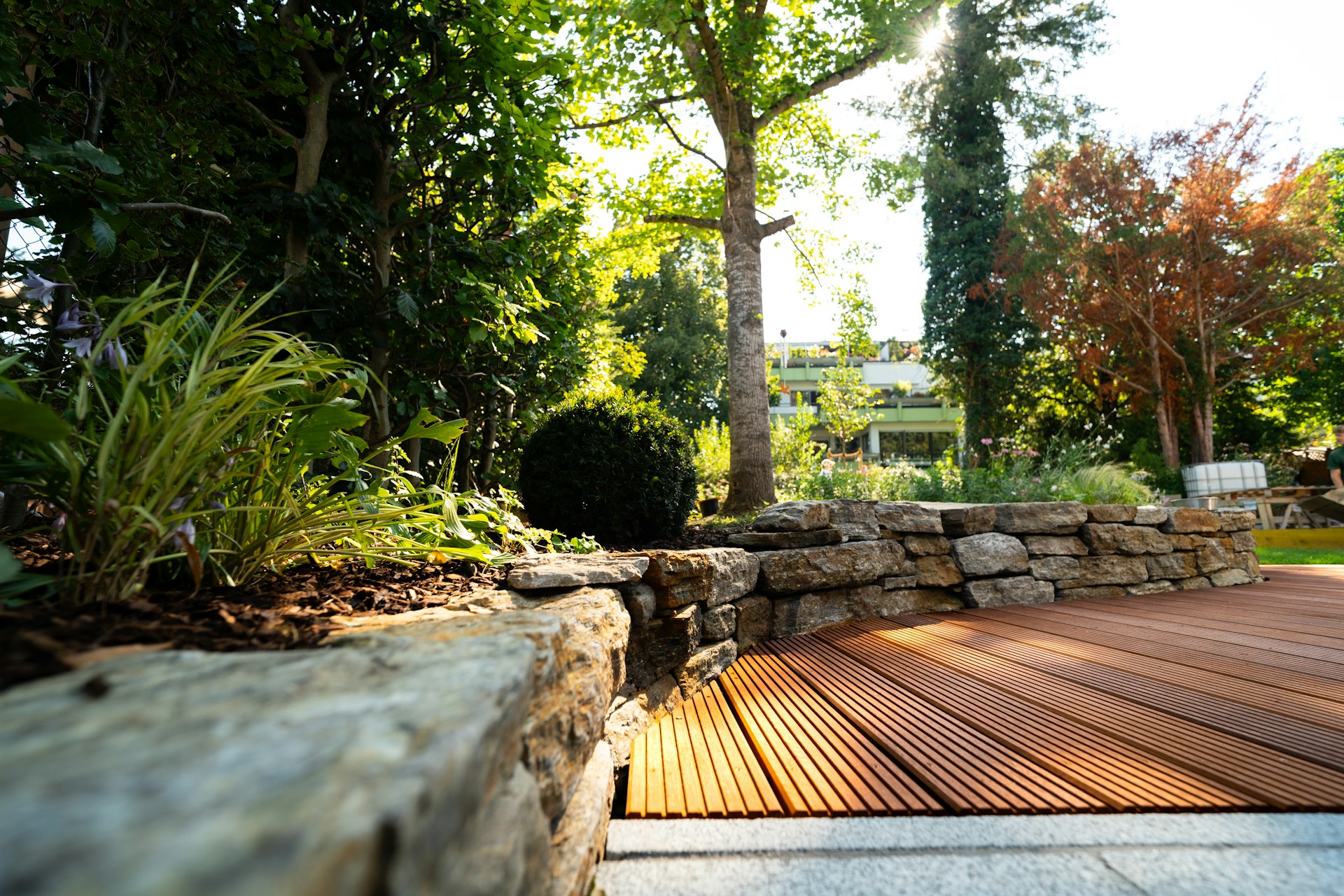

The British weather is fickle, yet we’ve collectively decided that our patches of grass are the new Promised Land. Gone are the days when a garden was just a place to store a rusty bicycle and grow that defiant patch of weeds.
If you’ve noticed your neighbour installing a pizza oven while wearing a head torch, you aren’t bearing witness to a midlife crisis. You’re seeing the massive boom in UK landscaping spending that is currently sweeping the nation.
Here’s why this green-fingered obsession is generating a record amount of cash for landscaping businesses.
The Outdoor Room Shift
Our homes used to end at the back door, but the walls are effectively coming down. We’ve started treating our gardens as an extra room rather than a separate entity.
This shift has transformed the way we view our external square footage across the UK. Aesthetics now take a back seat to making every inch of the property functional for daily living.
Landscaping offers a way to expand living space without the nightmare or the six-figure price tag of a loft conversion. This creates a flow that makes a semi-detached house feel like a sprawling villa.
Because we want professional results, many homeowners are now bypassing the DIY route entirely. They’re calling in garden design specialists to ensure the transition feels natural and the money is well spent.
Climate-Resilient Design
With UK summers becoming hotter and drier, our planting habits are undergoing a radical transformation. The Mediterranean garden is a survival strategy for our backyards, not just a holiday memory.
We’re seeing a massive surge in drought-tolerant species like lavender, rosemary, and ornamental grasses. These plants look stunning against traditional UK brickwork while requiring half the water.
Soil drainage solutions now capture and store water naturally. This keeps the garden lush without wasting resources or flooding the expensive new patio.
Sustainable Rewilding
Landscaping in the UK has taken a turn toward the eco-conscious and the genuinely sustainable.
People are moving away from sterile plastic grass and toward biodiverse environments that support local bees and birds. Now, they often invest in redesigns that prioritise long-term sustainability over quick fixes.
We want our gardens to be beautiful, but we also want them to be ethically responsible. This means choosing native plants and materials that don’t harm the local ecosystem, even if it means spending more up front for better long-term results.
Substituting a manicured lawn for a mini-meadow is no longer a sign of a lazy gardener. It’s a deliberate design choice that turns a garden into a humming, living sanctuary.
Blending high-end aesthetics with ecological necessity is the new goal for modern homeowners. This creates a green cocoon that feels connected to nature rather than isolated from it.
Edible Landscaping
In a post-pandemic world, the UK’s love for homegrown food has only grown more intense.
The trend for edible gardens has moved from the allotment to the designer patio. Homeowners are actively investing in layouts that combine aesthetics with food production.
We’re seeing fruit trees, herb walls, and raised vegetable beds integrated directly into primary garden layouts, turning gardens into both functional and financial investments.
This allows you to harvest fresh ingredients for dinner without setting foot in a supermarket.
Imagine a rosemary hedge or a pergola draped in grapevines instead of just ivy. This makes even the smallest UK urban garden feel productive and self-sufficient.
Experts now weave strawberries into hanging baskets and plums into decorative borders. These edible additions provide a sensory experience that no grocery shop can ever replicate.
Smart Garden Technology
British gardeners are investing in technology more than ever before to manage their outdoor spaces. From automated irrigation to smart lighting, the smart garden is officially a thing.
We want the beauty of a designer garden without the back-breaking labour of constant maintenance. Sensors that track soil health and moisture are becoming as common as garden shears.
This convenience has made luxury finishes more accessible to busy professionals across the UK. You can have a pristine look with almost zero effort on your part.
Automated greenhouse vents and UV-resistant shelters are being fitted into high-spec frames. These features ensure the space is weather-ready so you can enjoy the outdoors regardless of the forecast.
Low-Maintenance Materials
Porcelain tiling and composite decking have become incredibly popular choices for homeowners across the UK. Both options are low-maintenance and keep their appearance with minimal upkeep.
This convenience has made outdoor renovations accessible to those who lack a green thumb. You can have a designer look without spending every Saturday morning pulling up dandelions.
As housing developments get tighter, the need for a private sanctuary has never been higher. Strategic planning provides the perfect solution for blocking out the prying eyes of the neighbours.
Now, you can use pleated trees, high-quality fencing, and strategic pergolas to create your very own secret garden. This setup reclaims your peace and quiet in a busy, urbanised world.
The Psychological Value of Green Spaces
We’ve all realised that staring at a concrete wall is bad for the soul and even worse for our stress levels.
Having a beautiful space to retreat to is now considered a vital part of mental well-being. This is why more homeowners are willing to invest in professionally designed outdoor spaces.
The boom in outdoor design is partly driven by a collective need to decompress and disconnect from screens. No smart home gadget can truly replicate the multisensory richness of a real garden.
Stepping outside creates a clear mental break from indoor life, making professional landscaping just as valuable for well-being as it is for curb appeal.
That same curb appeal also translates directly into property value, with well-landscaped gardens often helping homes sell faster and at higher prices. This makes landscaping a strategic financial decision rather than just a lifestyle upgrade.
Conclusion
It’s clear that our love for the outdoors isn’t just a passing phase or a fleeting trend. We’ve rediscovered the joy of the garden, and we are making it the heart of our homes.
The landscaping spending boom is here to stay, and our British summers have never looked so stylish.
Now, go on and start planning your own little slice of heaven. After all, who doesn’t want a garden that makes the neighbours’ eyes widen and their jaws drop just a little?
