
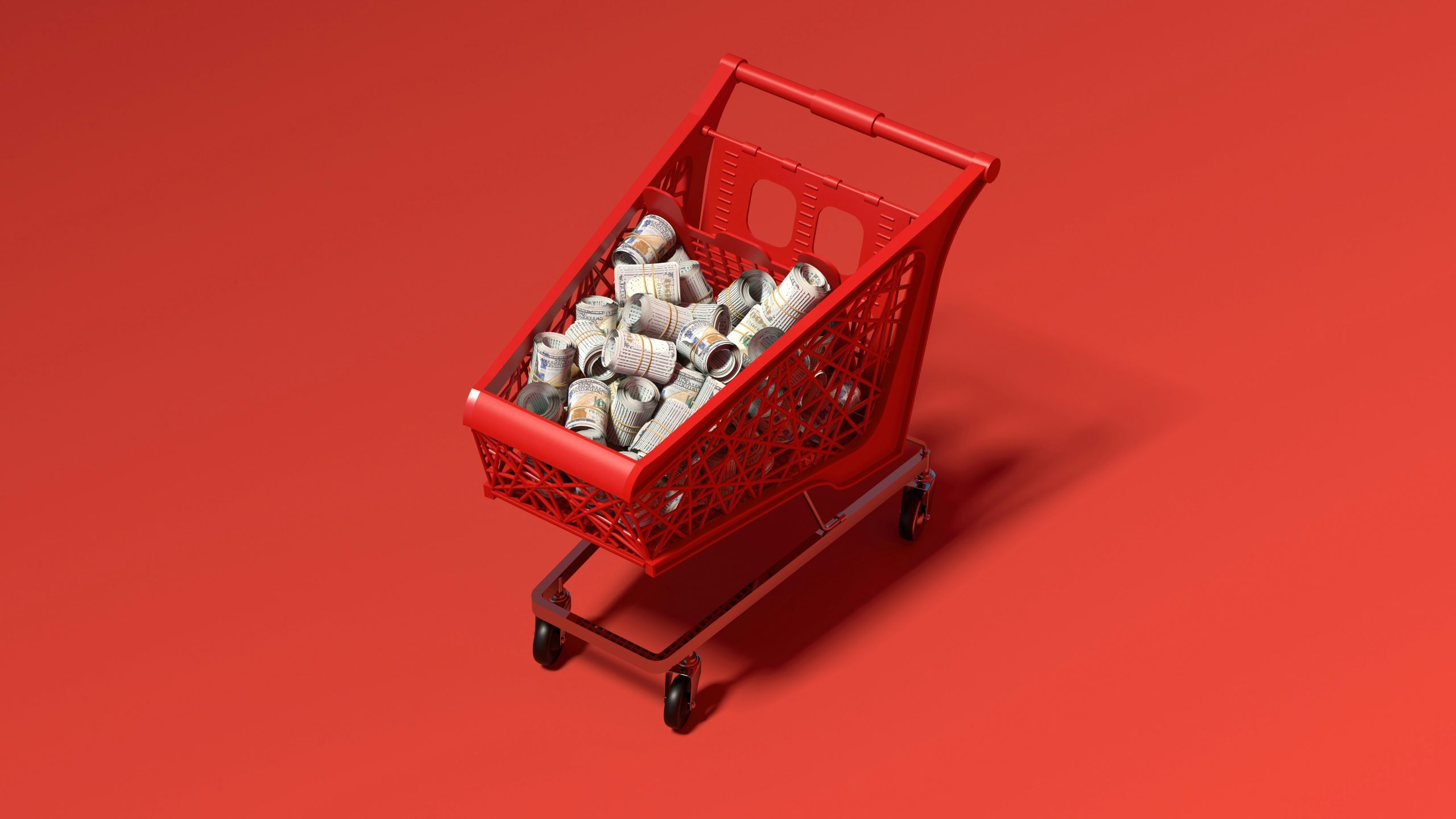

Economic uncertainty is back in the spotlight again in 2026.
You can see it in different ways. Rising costs haven’t really gone away. Inflation has eased, but not completely. And globally, things still feel unsettled.
None of that is entirely new. But taken together, it’s starting to feel heavier than it did before.
The UK economy has held up reasonably well up to now. But there’s a growing sense that things are slowing. Not collapsing. Just… not moving forward in the same way.
And that’s usually where concerns begin.
What Actually Counts as a Recession?
Technically, a recession means two consecutive quarters of negative growth.
Simple enough.
But that definition doesn’t always reflect how things feel in practice.
An economy can feel difficult well before it officially enters recession. Growth slows. Confidence drops. Costs rise. People start adjusting behaviour.
In 2026, the UK seems to be somewhere in that space — not clearly in recession, but not particularly strong either.
Signs Things Are Slowing Down
There are a few signs pointing in that direction.
Consumer spending has softened. People are being more cautious, which makes sense given the current situation. Mortgage costs remain high, and tax pressure hasn’t really eased.
So non-essential spending tends to fall away first.
Businesses are seeing the same thing.
Sectors like hospitality and retail have been under pressure for a while. Higher costs are forcing some to cut back — sometimes on hiring, sometimes on expansion.
In some cases, more than that.
Investment has slowed too. Companies are holding back, waiting to see what happens next. That hesitation adds up over time.
None of this guarantees a recession. But it does create the kind of conditions where one becomes more likely.
Interest Rates Still Playing a Role
Interest rates are still a big factor here.
They’ve stayed relatively high as the Bank of England tries to manage inflation. That’s had some effect, but it hasn’t been without trade-offs.
Borrowing is more expensive. That affects mortgages, loans, and business finance.
Monthly costs go up. Disposable income goes down.
And when that happens across the board, it feeds back into the wider economy.
Balancing inflation and growth was never going to be simple. It still isn’t.
How It Feels Day to Day
For most people, this isn’t about economic definitions. It’s about everyday life.
Job security feels less certain in some industries. Wage growth doesn’t always match rising costs. And things like mortgages or credit are noticeably more expensive than they were.
That combination makes planning harder.
Savings often get reduced. Investment decisions get pushed back. Longer-term plans can shift without much warning.
During uncertain economic periods, working with a financial advisor can help individuals make more informed decisions around investments, pensions, and risk management.
It doesn’t solve everything. But it can make things feel more structured.
Are We Already There?
Whether the UK is officially in a recession is still unclear.
Some data suggests growth is barely moving. Other figures point to slight improvement.
But for many people, the experience already feels similar to a downturn.
Costs are high. Flexibility is limited. Confidence is cautious.
And in that sense, the label matters a bit less than the reality.
What Can You Actually Do?
You can’t control the wider economy.
But you can control how you respond to it.
Reviewing spending is usually the starting point. Small changes can make a difference over time.
Having some form of emergency savings also helps. It creates a buffer, even if it’s not a large one.
For investments, spreading risk remains important. It won’t remove uncertainty, but it can reduce the impact of sudden changes.
And staying informed — without reacting to everything — probably matters more than people think.
Looking Ahead
The outlook for 2026 is still uncertain.
A full recession isn’t guaranteed. But the conditions around one haven’t disappeared either.
Growth is slow. Costs are still elevated. Confidence isn’t particularly strong.
So it’s likely that uncertainty will continue for a while.
For individuals and businesses, adaptability becomes important.
Those who think ahead — even slightly — tend to handle changes better than those who don’t.
Because one thing is fairly consistent:
The economy doesn’t stay still.
