
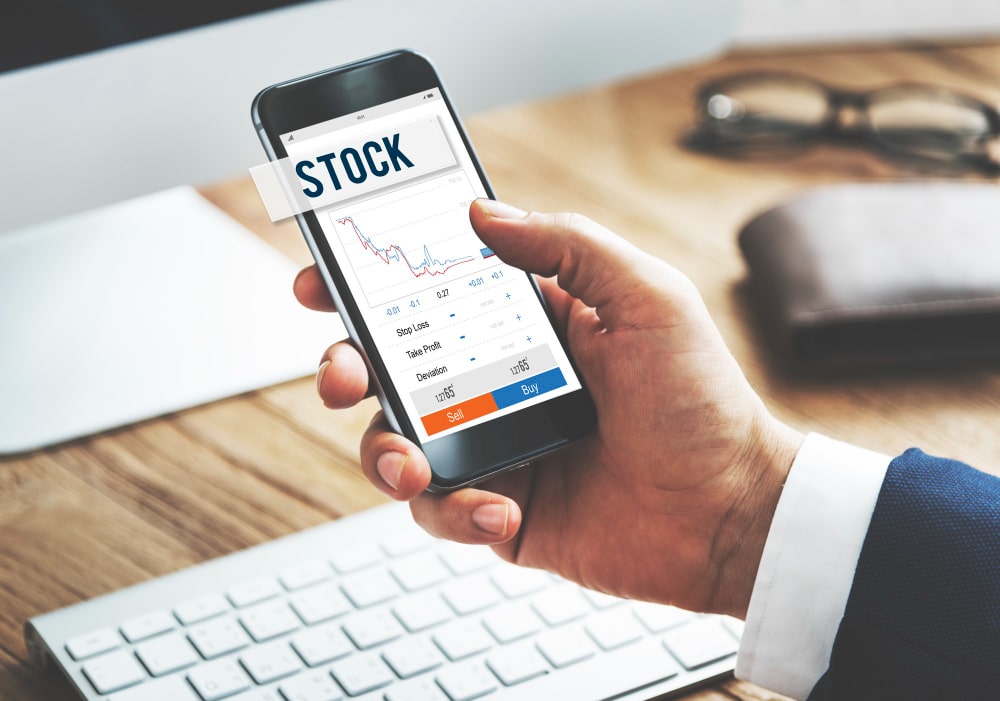

The trading floor in Hong Kong is quieter than most people think on a muggy afternoon. These days, the real noise is found on screens: charts shifting, numbers flickering, and traders bending slightly forward as though being close might reveal something. At slightly over 26,000, the Hang Seng Index feels more like a mood than a number.
Earlier in the day, it had climbed, pushing higher for a short while before easing back. Not in a big way. Just enough to remind everyone that momentum is rarely sustained here. The Hang Seng seems to be negotiating with itself all the time.
| Category | Details |
|---|---|
| Index Name | Hang Seng Index (HSI) |
| Location | Hong Kong Stock Exchange |
| Current Level | ~26,033 points |
| Type | Market-capitalization weighted index |
| Key Sectors | Finance, Technology, Property, Energy |
| 52-Week Range | 19,260 – 28,056 |
| Key Drivers | China economy, global markets, geopolitics |
| Major Companies | Tencent, HSBC, Alibaba, AIA |
| Reference | https://www.hsi.com.hk |
The index has demonstrated resilience on paper. Recent sessions have suggested a recovery following a challenging time characterized by global tightening cycles and regulatory pressure in China. The most volatile component, tech stocks, have recovered, attracting interest from both domestic and foreign investors.
However, the optimism feels cautious when you stand in Central and watch office workers spill out for lunch while markets tick in the background. Very tentative.
Investors may wish to have more faith in a turnaround than they actually do.
A portion of that narrative is revealed in the Hang Seng’s composition. Heavyweights like Tencent and HSBC are significant not only financially but also symbolically. Raising them indicates a return of confidence. The depth of the recovery is called into question when they stall.
And it appears that the market is looking for depth. Recent gains have frequently been characterized as “structural rallies,” motivated more by isolated catalysts or earnings seasons than by widespread confidence. That distinction is important. When a rally is built around a few standout performers, it may appear convincing—until it doesn’t.
This also contains a memory. The dramatic drops of recent years, when regulatory crackdowns and geopolitical unrest nearly instantly destroyed billions of dollars’ worth of value, are still remembered by investors. These experiences continue to influence behavior in subtle ways.
The way traders respond to headlines is indicative of this. An update regarding China’s economic data causes the index to rise. Hours later, it is pulled back by events in the Middle East, such as rising oil prices and threatened shipping routes. The Hang Seng is not a solitary entity. It takes in signals from all directions.
It’s difficult to ignore how widespread it has become. Hong Kong’s market exhibited more regional dynamics in previous decades. It feels like a crossroads right now. Here, geopolitical tensions, Chinese growth expectations, and U.S. monetary policy come together and occasionally collide.
Opportunities are created by this convergence. Fragility is also produced by it.
It appears that investors are juggling two conflicting narratives. On the one hand, Hong Kong’s valuations seem comparatively appealing when compared to their international counterparts, especially in the technology sector. In spite of price compression, some analysts have even called the industry undervalued, citing earnings stability.
However, uncertainty is still unyielding. At least when viewed from the outside, China’s economic recovery has been uneven. Consumer trust varies. Stress is evident in real estate markets. Although there is policy support, its impact and timing are not always predictable.
In the center of that ambiguity is the Hang Seng. Additionally, there is the issue of outside pressure. An additional degree of unpredictability has been introduced by the recent intensification of geopolitical tensions, especially in the energy markets. For example, rising oil prices have an impact on consumer spending, shipping companies, and airlines, all of which are included in the index.
It’s a real-time chain reaction. There is a rhythm to the index’s movement throughout the day. A morning rush. A pause at noon. A change for the afternoon. Every movement reflects not only the data but also the interpretation of the data by traders and the opinions of others.
After all, perception is just as important to markets as fundamentals. Late in the trading session, there is a point at which the numbers level out. The Hang Seng settles slightly above its starting point, indicating neither a clear retreat nor a robust rally. It’s a transitional state.
And it seems right. Because there is currently no clear direction in the Hang Seng’s larger story. There is conflict between optimism and prudence, between regional fortitude and worldwide unpredictability.
Although it’s easy to portray the index as vulnerable or undervalued, the reality is less clear-cut. Investors are taking part, but not all of them. Though unevenly, confidence is coming back. Although they don’t always hold, gains are emerging.
There’s a sense that the market is testing sentiment, levels, or even its own identity. It’s still unclear if it can maintain momentum above 26,000. Such psychological thresholds may be important, even if only momentarily, according to history. You may draw attention if you cross them. Something more substantial is needed to hold them.
As of right now, the Hang Seng keeps moving, taking in news, expressing sentiment, and modifying expectations. Not quite steady. Not quite erratic.
