

The Yamuna Expressway feels unusually wide, almost cinematic, on most winter mornings. Before the gates of Galgotias University appear, a long stretch of smooth asphalt winds through fields and partially constructed townships. With glass façades reflecting pale sunlight, banners promoting innovation weeks, and coding bootcamps fluttering in the dry wind, the campus exudes confidence. At first look, it seems to represent India’s aspirations for private education.
Since its founding in 2011, the university has expanded rapidly, capitalizing on the surge of middle-class families pursuing engineering degrees and corporate placements. The institution was founded by Suneel Galgotia at a time when private universities were proliferating in northern India. Scale appeared to be the new credential for investors. And the plan worked for a while.
| Field | Details |
|---|---|
| Name | Galgotias University |
| Established | 2011 |
| Founder | Suneel Galgotia |
| Location | Yamuna Expressway, Dankaur, Greater Noida, Uttar Pradesh, India |
| Type | Private University |
| Notable Focus Areas | Engineering, Management, Law, Media, Applied Sciences |
| Recent Spotlight | AI Impact Summit 2026 controversy |
| Official Website | https://www.galgotiasuniversity.edu.in |
However, reputations are delicate, particularly in the field of education.
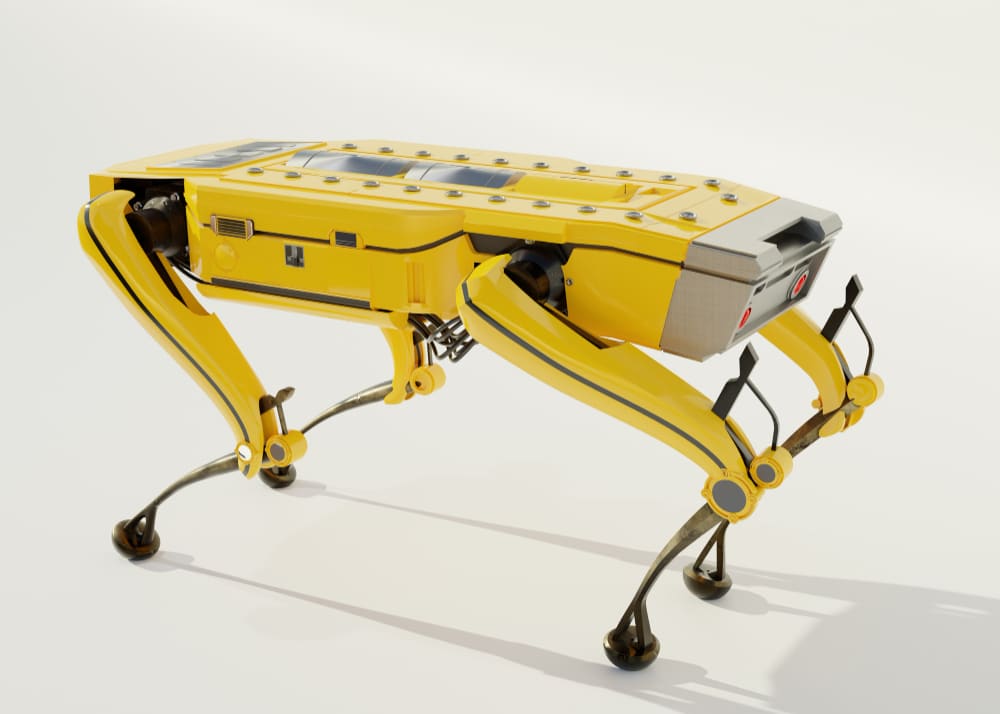
Galgotias was under uneasy scrutiny following the recent controversy at the AI Impact Summit in Delhi. A robotic dog known as “Orion” was unveiled at the Bharat Mandapam expo as a university-related innovation. Videos went viral quickly. Online observers quickly determined that the machine was a commercially available product manufactured by Unitree, a Chinese company.
Whether the misrepresentation was intentional exaggeration or a result of internal miscommunication is still unknown. Later, the university clarified that a faculty member had made a mistake on camera and that the robot had been purchased for academic demonstration purposes. However, the explanation came after the story had solidified. Rarely does social media wait for subtleties.
Many onlookers were more impressed by the response than the mistake. According to reports, the stall was closed. They apologized. The public seemed to blame a faculty member. The story seemed to have changed from technological embarrassment to something more intimate, even gendered, as the video clips were repeatedly played.
Critics called it a classic example of crisis management gone wrong. The explanation appeared to focus on a single person rather than taking institutional responsibility. Leadership may have misjudged the speed at which reputational harm spreads in the AI age. Credibility is more important than ever in a nation keen to establish itself as a major player in artificial intelligence.
However, it would be oversimplified to reduce Galgotias to a single controversy.
The university has made significant investments in infrastructure, including incubation centers, industry partnerships, and iOS development labs. Students stroll across campus and congregate around food kiosks to discuss coding competitions, internships, and placements. Energy is present. Ambition. It seems like a lot of students actually think they are contributing to India’s technological future.
Ambition without substance, however, can turn into performance.
Over the past thirty years, India’s higher education system has grown at an incredible rate. The capacity gaps left by public institutions have been filled by private universities, particularly in states like Uttar Pradesh. Rankings, summits, and innovation showcases are all part of the model’s branding strategy. It works sometimes. It occasionally veers into spectacle.
The tension between aspiration and ecosystem readiness was revealed by the AI Summit episode. Talented robotics students are produced in India. International competitions have been won by school teams. However, there is still a lack of large-scale domestic robotics manufacturing. Universities frequently use a hybrid approach, importing cutting-edge equipment while highlighting local innovation stories.
Displaying international technology on campus is not intrinsically bad. Exposure does matter, in fact. However, presentation calls for accuracy. Particularly with the cameras rolling.
It’s difficult to ignore how swiftly the dispute took on symbolic meaning. Commentators linked it to academic credibility, political branding, and India’s aspirations in robotics. The tale appeared to go well beyond a single Delhi pavilion. Unfairly, perhaps. However, symbols act in this way—they build up meaning.
Galgotias is currently at a turning point. Admissions to the campus are still open, and students are attending management, law, and artificial intelligence lectures. The structures remain the same. Perception has, however.
Building lecture halls is faster than restoring trust.
If placements stay consistent, investors and parents will probably move on. Students will graduate. There will be more batches. Universities have fared worse. However, there’s something educational about this moment. When transparency fails, it shows how brittle institutional narratives can be.
The growth of private universities in India is continuing. If anything, the level of competition is rising. Which universities can transcend marketing into quantifiable research credibility will be put to the test over the course of the next ten years. That calls for patient leadership, consistent funding, and faculty autonomy—none of which are found in viral videos.
Galgotias might make a full recovery. It might even learn from the incident, improving technical verification procedures, fostering group accountability, and tightening communication. Otherwise, the story might be lost to digital memory and replaced by the next hot topic.
For the time being, the campus remains where it has always been: beside the motorway, ambitious, growing, and a little introspective. And maybe a bit more circumspect than before.
