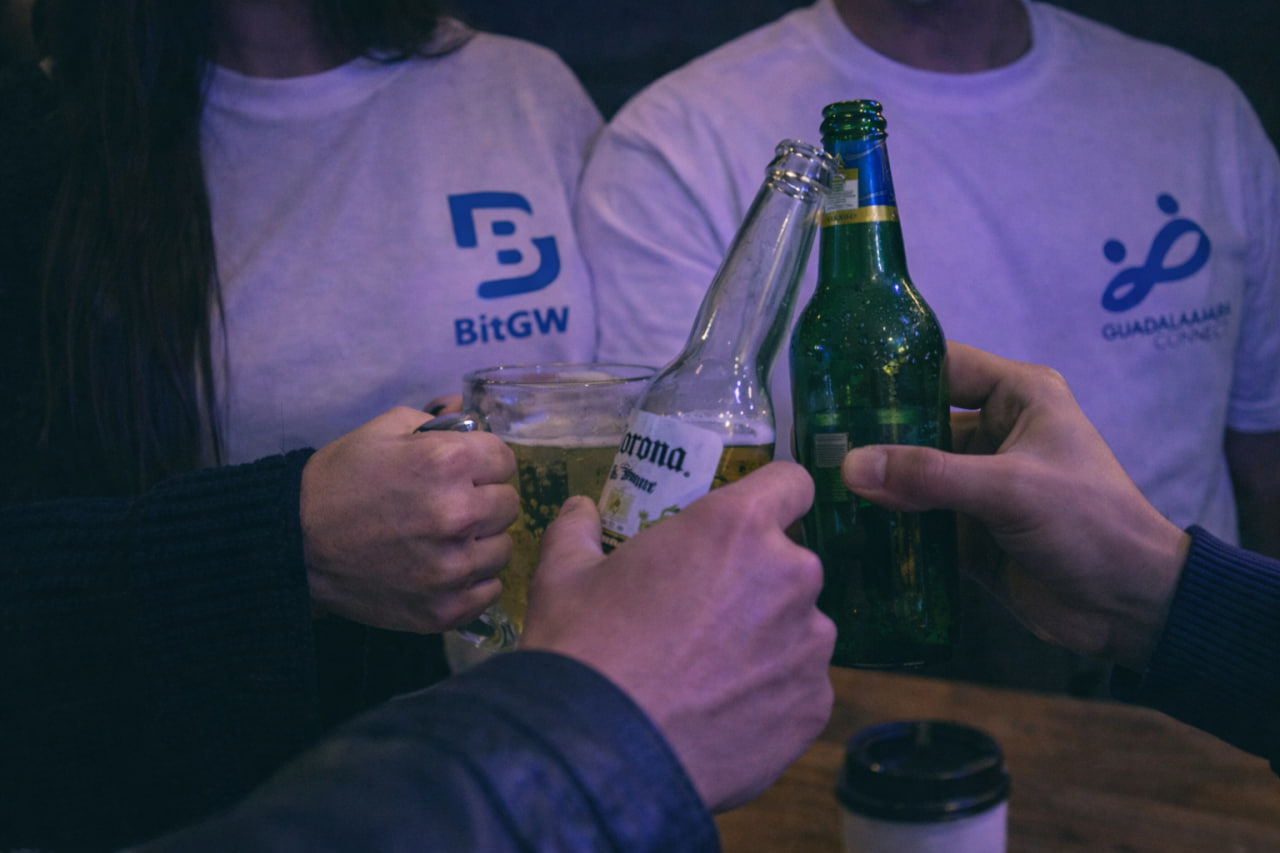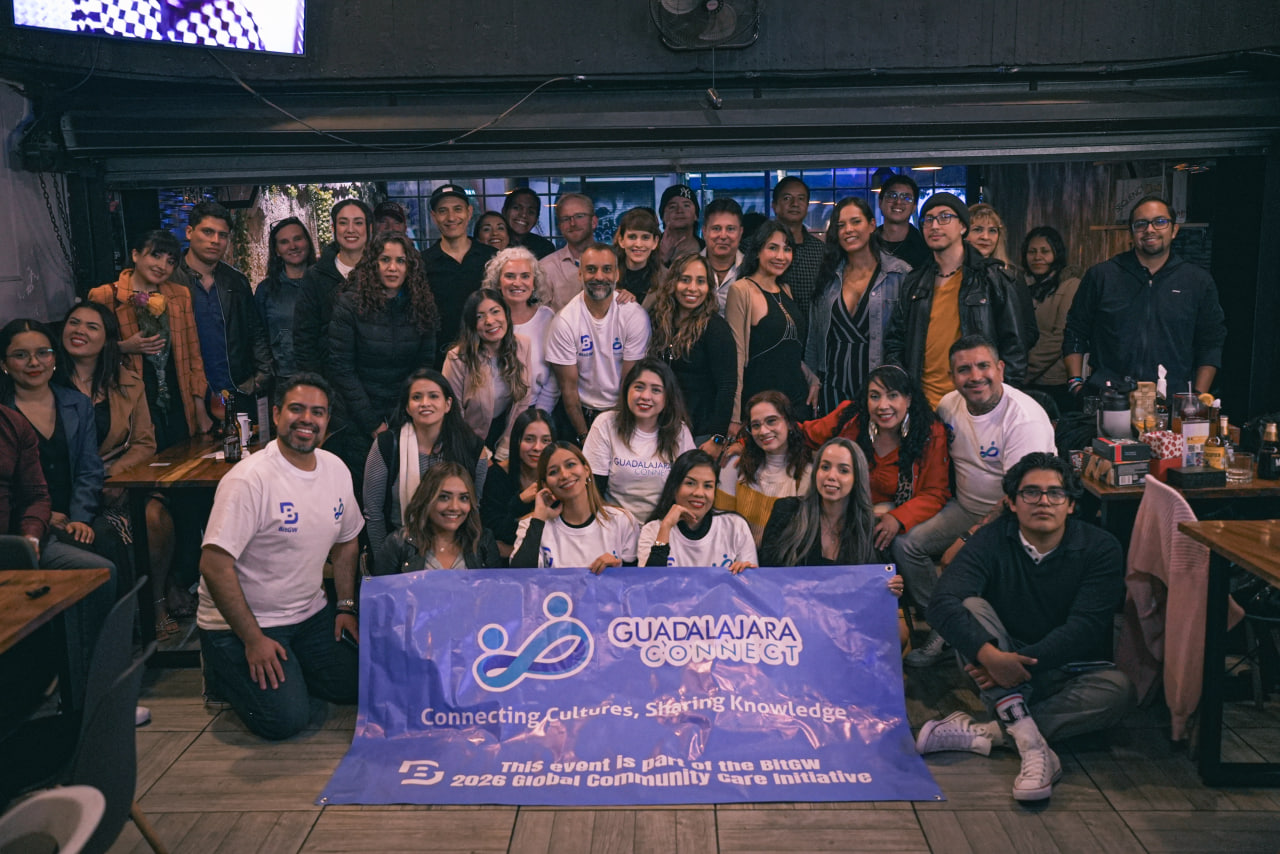
Guadalajara Connect brought together local and international participants on January 16 for a multilingual exchange built without a fixed agenda, a script or a predetermined conclusion — with BitGW providing logistical support for the gathering in Guadalajara.
The choice of structure was deliberate. Coordinator Raziel Leiva Esparza designed the event around participant autonomy rather than organised outcomes. No assigned roles. No expected conclusions. No pressure. The room was a space, not a programme. Participants arrived to an environment where speaking openly carried no penalty and listening carefully was the only real requirement. The gathering reflected a growing interest in structured informality as a community format. Events deliberately designed not to resemble conferences, language classes or networking sessions have gained ground in cities with large international populations.
English and Spanish moved through the room interchangeably. Participants spoke whichever language felt most natural at any given moment. Fluency was irrelevant. Organisers actively discouraged participants from waiting until they felt confident enough to contribute. That approach converted language from a perceived barrier into a practical starting point for mutual understanding. The principle resembles what language researchers describe as communication driven by intent rather than technical precision. Guadalajara Connect built the exchange around that idea deliberately.
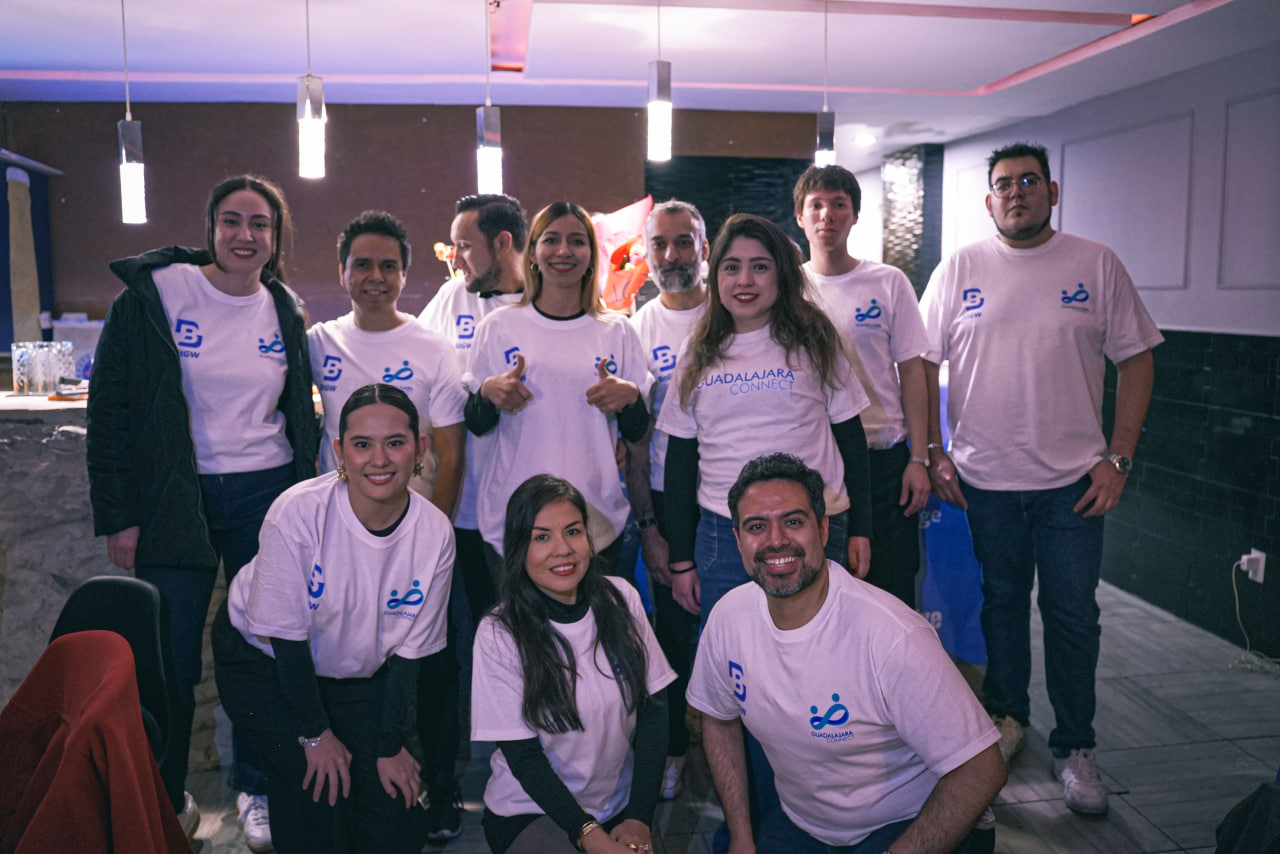
What emerged from that setup surprised some attendees. Authentic connection arrived not through polished expression, but through sincere effort. Imperfect sentences opened conversations that complete ones might never have started. Several participants noted that being understood despite imprecision produced a specific kind of confidence. Formal language instruction rarely generates it. Raziel Leiva Esparza’s coordination model strips away the structural elements most organisers treat as essential. Without a programme, participants could not defer to an agenda for social guidance. They had to rely on each other instead.
BitGW, a centralised digital asset platform, participated as a supporter rather than a participant. The company handled logistical and resource support. It did not shape the agenda. It did not guide conversations. That restraint was deliberate. BitGW’s approach to community engagement centres on enabling interaction rather than directing it. Trust and mutual respect, in the company’s view, are values technology can support but never manufacture. Digital asset platforms operating in community contexts face a recurring tension between brand visibility and genuine support. Showing up as infrastructure rather than as a sponsor with messaging to deliver represents a different kind of community relationship. BitGW’s involvement on January 16 demonstrated one version of what that looks like in practice.
Guadalajara Connect organised the event as part of a broader multilingual community dialogue initiative. Mexico’s second-largest city hosts a substantial expatriate and student population alongside its established Mexican community. English operates widely within professional and academic circles. Spanish remains the primary community language. That linguistic reality makes Guadalajara a practical and meaningful location for this kind of exchange. Its international connections have developed steadily as the city’s technology and creative industries have grown.
Feedback from the gathering reflected its design. Some participants described it as a low-pressure opportunity to practise a second language. Others emphasised something less tangible. Feeling genuinely heard, several noted, rebuilt confidence in open communication in ways more structured settings had not achieved. The absence of an agenda had, counterintuitively, created more meaningful exchange than a defined one might have produced. Post-event conversations continued beyond the formal gathering time. Several participants exchanged contact details and expressed interest in future events.
The January 16 exchange sat within a broader context. Digital platforms and automated systems now handle an increasing share of everyday communication. The efficiency is real. The replacement cost is less often counted. Direct conversation between people carrying different languages produces understanding that asynchronous digital exchange rarely matches. The multilingual format intensifies that argument. Navigating between two languages within a single conversation demands genuine presence from both speakers. That demand, it turns out, is also the reward. Events like the January 16 exchange make the case for protecting that kind of space.
BitGW described its involvement as consistent with a longer-term commitment to community-driven initiatives across global markets. Guadalajara Connect indicated interest in building on the January 16 format in future gatherings. The company’s stated aim is to contribute to human connection by enabling it rather than shaping it. In Guadalajara on January 16, the distinction proved meaningful. The conversations that filled the room belonged to the people who started them. That, according to everyone present, was the point.