
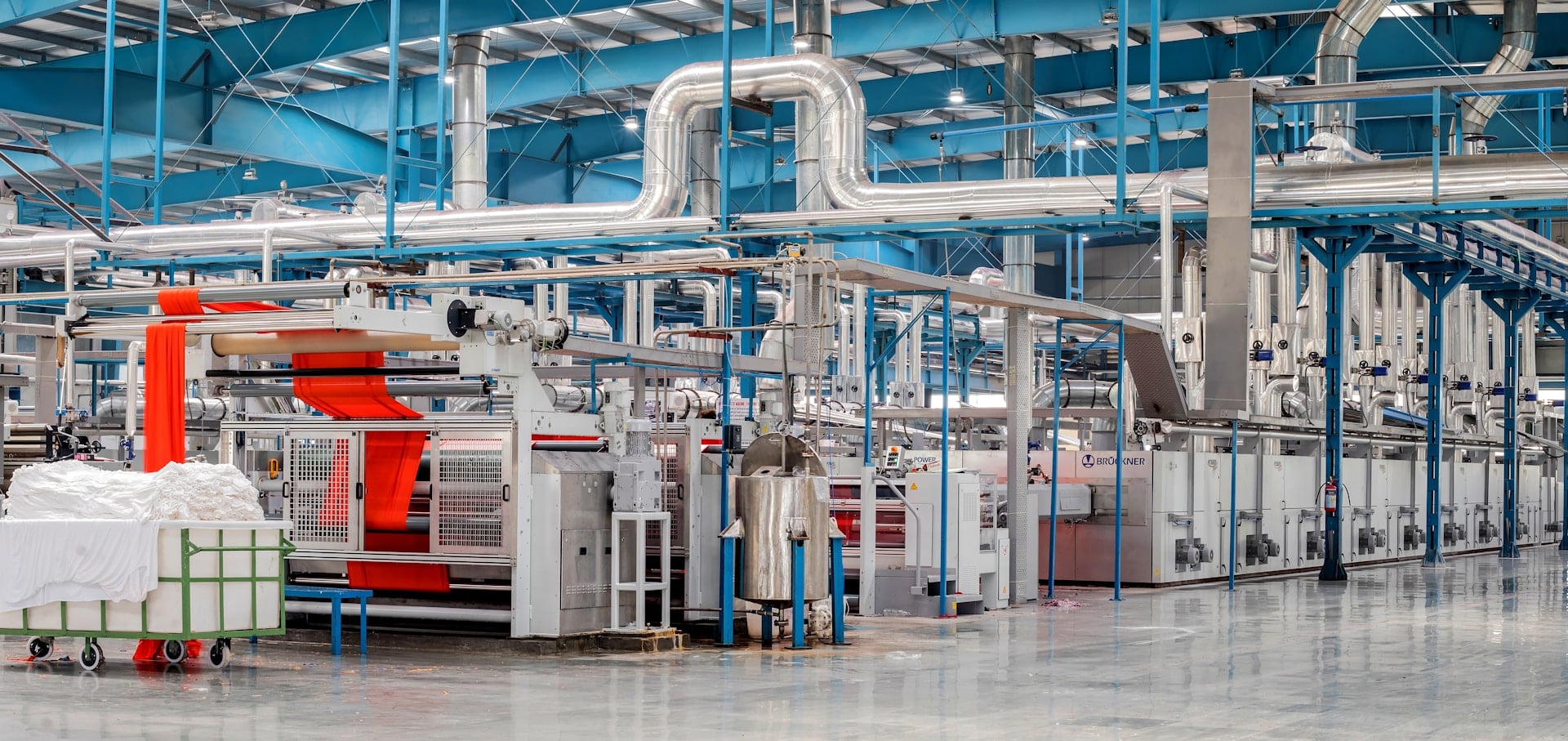

Manufacturing has evolved into a new era shaped by automation, digital connectivity, and real-time data exchange. The modern factory is no longer limited to mechanical operations; it now functions as an intelligent ecosystem where machines communicate, processes optimize themselves, and downtime is minimized.
Central to this transformation are advanced control systems that ensure continuous power, precision, and productivity. A dependable industrial UPS (Uninterruptible Power Supply) has become a key component.
Industrial UPS maintains the stability of systems and safeguards operations against unexpected power disruptions. Continue reading to learn how industrial control systems, supported by reliable UPS solutions, are shaping smarter, safer, and more efficient factories of the future.
Understanding Industrial Control Systems
Industrial control systems (ICS) are the backbone of automated production environments. They comprise various electrical instruments, controllers, and software solutions that manage and monitor industrial operations. From assembly lines to chemical processing plants, these systems ensure that equipment performs efficiently and safely.
Each control system is designed to collect data, process it, and issue commands to connected devices. Components such as Programmable Logic Controllers (PLCs), Distributed Control Systems (DCS), and Supervisory Control and Data Acquisition (SCADA) systems work together to regulate machinery and maintain quality output.
To sustain this precision, industries deploy reliable power protection equipment, including an industrial UPS, to ensure uninterrupted performance even during voltage fluctuations or power outages.
The Importance of Reliable Power in Smart Factories
Smart factories rely heavily on automation, robotics, and networked sensors that require a continuous electrical supply. Even a brief power loss can interrupt data transmission, halt production, or corrupt automated processes.
An industrial UPS acts as the first line of defense, providing emergency power when the main source fails. Unlike standard UPS systems, an industrial UPS is built to endure harsh conditions such as high temperatures, vibration, and dust.
It stabilizes voltage, filters power irregularities, and prevents downtime. This ensures that essential equipment like control panels, monitoring devices, and communication servers remain operational until normal power is restored.
Integrating Automation with Power Resilience
When industries incorporate an industrial UPS into their infrastructure, they achieve operational resilience. These systems support critical functions such as:
- Seamless Process Continuity: Keeps production equipment running during short-term power failures, preventing losses.
- Data Protection: Ensures that monitoring and control data is securely stored during outages.
- Equipment Safety: Prevents sudden shutdowns that could damage sensitive electronic devices.
- Energy Optimization: Helps balance power usage across connected systems, improving overall efficiency.
Enhancing Efficiency Through Smart Power Management
Energy efficiency is a growing priority across industrial operations. Implementing a well-structured power management system supported by an industrial UPS helps reduce energy waste and enhances productivity. These systems continuously monitor voltage levels, detect anomalies, and make automatic adjustments to ensure stable performance.
Moreover, industries can employ data gathered from UPS monitoring tools to analyze power usage trends and predict potential faults. By doing so, maintenance teams can proactively replace batteries, optimize load distribution, and reduce the risk of unexpected breakdowns. This predictive approach strengthens the overall reliability of the factory’s electrical infrastructure.
Achieve Power Stability Through Reputable Energy Collaborations
While investing in advanced control systems and power protection equipment is crucial, collaborating with a reputable energy partner ensures long-term performance and safety. Trusted brands bring years of expertise in designing and supplying high-quality electrical equipment that meets strict industrial standards.
They understand the complexities of automation and provide developed systems that correspond directly to specific industrial requirements. By partnering with experienced energy experts, businesses can achieve consistent uptime, enhanced equipment safety, and improved energy efficiency.
