
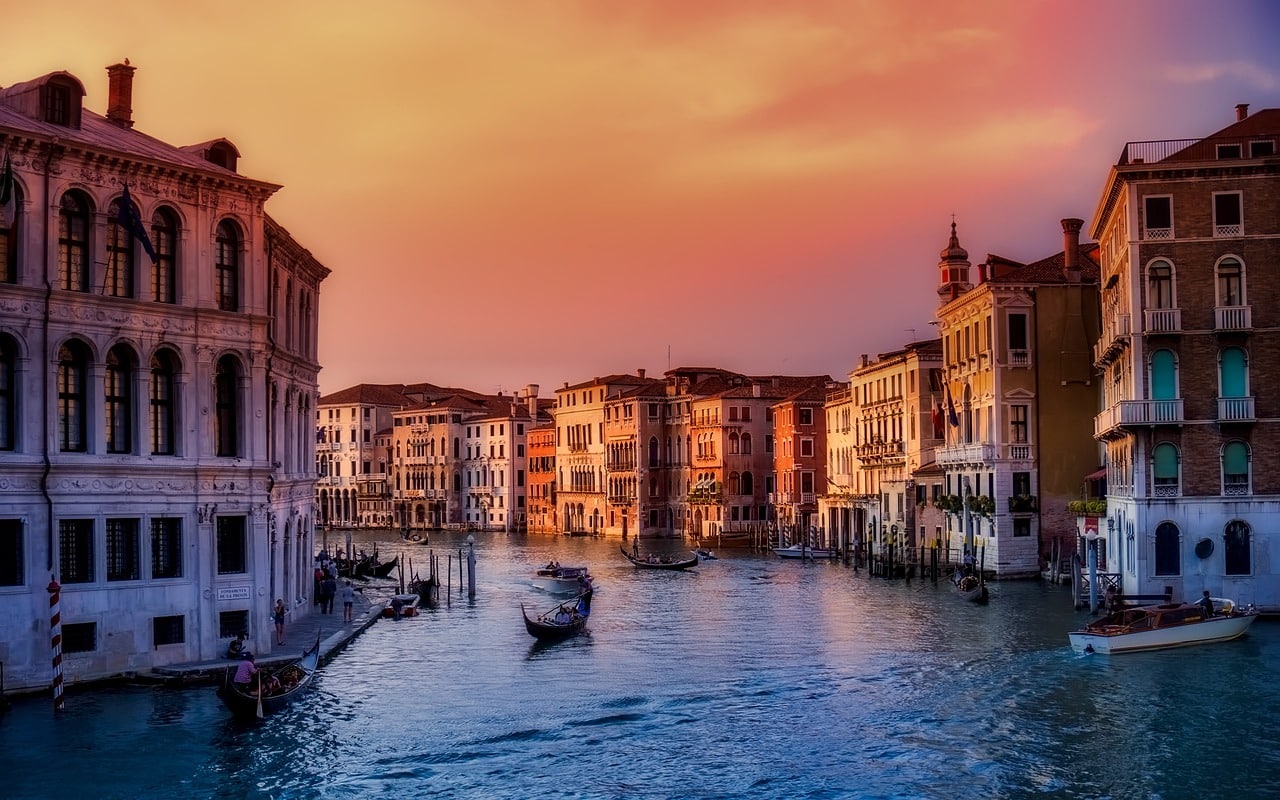

Italy is a destination that calls visitors to move from one city to another. Maybe wake up in Florence surrounded by Renaissance architecture, have lunch surrounded by vineyards in Tuscany, and finish the evening strolling through Rome’s illuminated piazzas. There’s a lot to explore, and you get to experience different atmospheres, from the energy of Milan to the calm of Lake Como.
If you are a first-time visitor, the secret to enjoying all this contrast is how you handle everything in between. It’s more than just booking trains and choosing hotels, as you need to ensure connectivity with an eSIM Italy plan and avoid losing half a day to unnecessary backtracking.
Set up a reliable eSIM for seamless connectivity across cities
Travelling in Italy becomes much easier when you are online, as you need to juggle train schedules, museum ticket confirmations, and last-minute restaurant bookings.
Setting up an eSIM for Italy helps ensure that you are always online, from your first minute in the country to the last. You don’t need to hunt for a kiosk and buy an overpriced SIM card or deal with unpredictable roaming charges, which are no longer standardised in the UK.
Setting up an eSIM plan is easy, as you only need to install an app or scan a QR code. You can then enjoy a predictable prepaid plan as you move between cities.
Download essential travel and transit apps before the trip
Installing the right apps before you travel will save you a lot of time and possible frustration when trying to figure out logistics on the fly. If your train platform changes last minute, you need to know. You should also book your train and even museum tickets in advance to enjoy cheap prices and avoid last-minute fumbling.
Here are a few essentials that can significantly make your Italy trip effortless:
- Trenitalia – It’s the official app for Italy’s national train operator, and you’ll need it for most regional travels. It lets you compare train times, buy seats, and see platform numbers as soon as they are announced.
- Italy Treno – It’s a private rail service that operates on popular routes like Rome > Florence > Venice. It can be cheaper or faster.
- Google Maps – You need it for when you are walking, driving, or looking for a local restaurant or attraction. You can download offline maps for the cities you plan to visit to save on data.
- Free Now (formerly MyTaxi) or iTaxi for booking taxis, as Uber is highly restricted in Italy.
- Google Translate to bridge the language gap.
Download, sign in to every app, and add your payment details to ensure everything works before travelling.
Use Italy’s high-speed trains as your primary mode of travel
Italy’s high-speed trains are the backbone of multi-city Italian travel. They are fast, reliable, and connect to pretty much all major destinations, making them more convenient than driving or regional flights. Trains like Frecciarossa and Italo can reach speeds of up to 300 km/h, with most intercity trips taking less than two hours.
With apps like Trenitalia and Italy, you can easily book your tickets, but ensure you do so early, as they sell out quickly on weekends and holidays. The schedules are predictable and departures are punctual, and you’ll also arrive at city centres instead of distant airports.
Choose a logical city sequence to avoid backtracking
Italy has a lot to see and experience, but the country can also be considered geographically narrow. If you don’t plan your route well, you can end up with lots of lost hours as you retrace your own steps. The best way to avoid this is to build your itinerary from north to south (or vice versa) for a cleaner progression.
If you are a first-time visitor doing the classics, a simple sequence looks like Milan > Venice > Florence/Tuscany > Rome > Naples/Amalfi Coast. It lets you start from north to south with short trips between cities, and you also get to “build up” from urban vibes to historic centres and coastal relaxation. If you are entering through Rome, you can invert the route and make it Rome > Florence/Tuscany > Venice > Milan. This will make your trip feel more like a progression, with seemingly longer and calmer days.
