
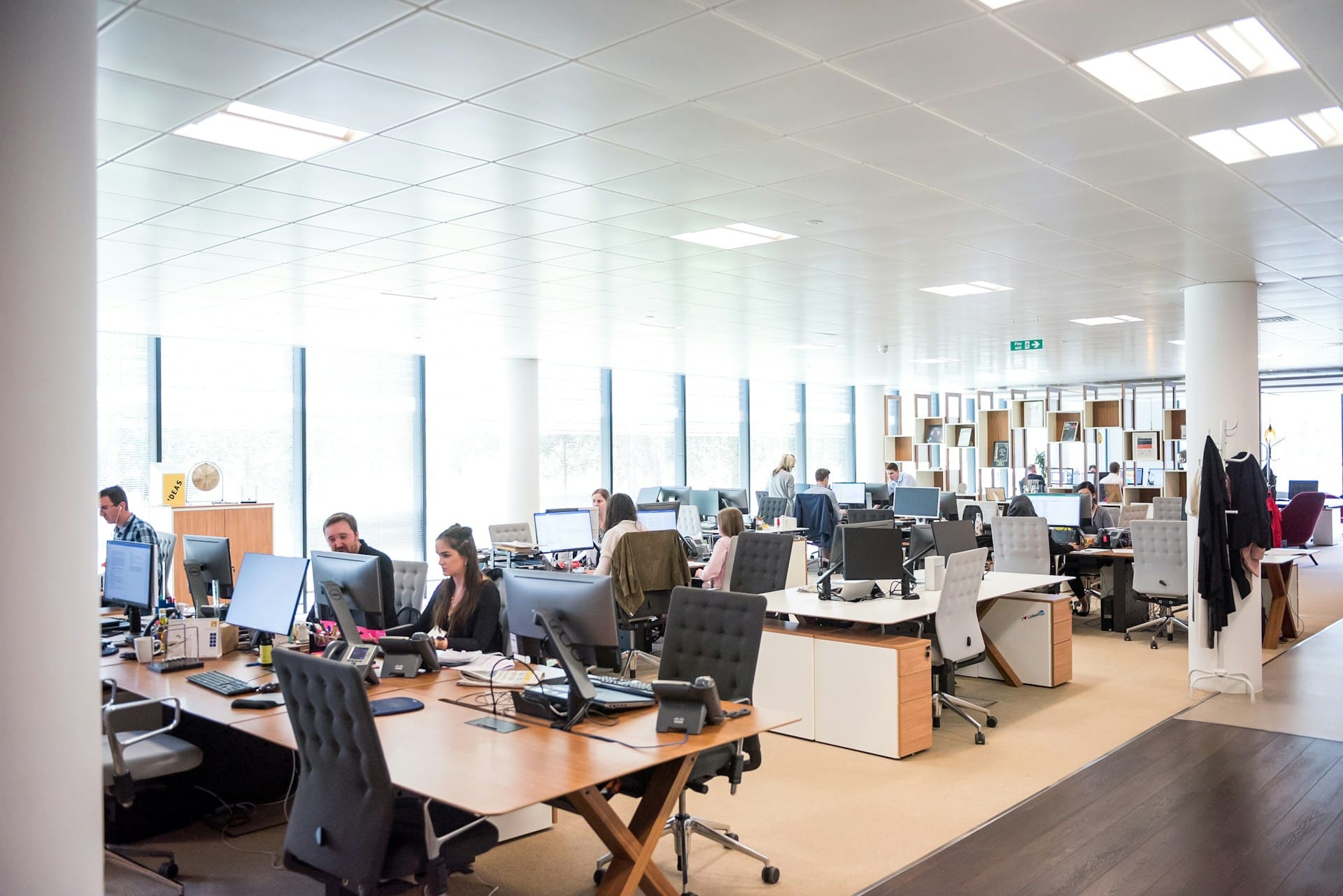

The landscape of modern workplace environments has fundamentally transformed, with office design at the forefront of this revolutionary change. As businesses adapt to permanent hybrid working models, the traditional concept of fixed desk assignments and rigid layouts has given way to dynamic, flexible environments that serve diverse working styles and preferences. Contemporary office design must now balance the needs of in-person collaboration with the technological infrastructure required to support remote team members seamlessly.
The Hybrid Revolution Reshaping Office Design
Recent research reveals that over 90% of organisations are combining remote and on-site work, proving that hybrid working arrangements have become a permanent fixture rather than a temporary pandemic response. This shift has created unprecedented challenges for office design professionals, who must create spaces that feel purposeful and engaging for employees who may only spend two or three days per week in the physical workplace.
Modern office design strategies recognise that workspaces must serve multiple purposes simultaneously, supporting both collaborative in-person teamwork and providing amenities for employees who split their time between home and office environments. The most successful office design approaches focus on creating intentional workspaces that support both in-person and remote collaboration equally, going beyond simply adding video conferencing equipment to traditional layouts.
Essential Elements of Flexible Office Design 2025
Technology Integration for Seamless Collaboration
Smart technology integration represents a cornerstone of contemporary office design, with AI-powered systems optimising space usage and resource management throughout 20257. Modern office design incorporates Teams Ready rooms specifically designed for virtual meetings, equipped with video conferencing technology, interactive whiteboards, and seamless AV systems to ensure remote employees participate as easily as those physically present.
The rise of smart buildings is transforming office design through intelligent climate control systems that adjust lighting and temperature in real-time, whilst AI-driven booking systems optimise space utilisation patterns. These technological advances enable office design to become more adaptive, efficient, and personalised, setting new standards for workplace functionality.
Modular and Adaptable Furniture Solutions
Flexibility stands as the defining characteristic of successful hybrid office design, with spaces easily reconfigured for different uses to accommodate diverse workforce needs. Contemporary office design embraces modular furniture, movable walls, and adaptable rooms that transition from focused work areas to collaborative meeting spaces within minutes.
Touchdown desks and informal collaboration areas provide essential flexibility for employees working from various locations within the office, whilst movable furniture and modular layouts enable easy adaptation to different team sizes and work modes depending on daily attendance patterns. This agile approach to office design fosters spontaneous collaboration and interaction that remote employees often miss, whilst maximising square footage efficiency through multi-purpose functionality.
Zoning for Different Work Activities
Effective office design in 2025 employs architectural zoning to create distinct areas for various tasks and work styles. Quiet zones equipped with sound-absorbing materials and individual workstations allow focused work without distractions, whilst collaboration zones feature open layouts with movable furniture and whiteboards to support spontaneous meetings and group projects.
Meeting spaces within modern office design come in various sizes, from small pods suitable for video calls to larger conference rooms hosting team presentations, all equipped with appropriate lighting and audio-visual equipment for remote participants. This zoned approach to office design ensures every employee can find appropriate spaces for their specific work requirements.
Sustainability and Wellbeing in Modern Office Design
Sustainability has evolved from an afterthought to a driving force in contemporary office design, with 72% of organisations willing to pay premiums for spaces with leading sustainability credentials. Circular design principles focusing on recycled, reclaimed, and renewable materials are becoming prevalent as companies shift from full-scale rebuilds to retrofitting existing spaces.
Employee wellbeing remains paramount in modern office design, with natural light, biophilic elements like green walls and indoor gardens, and dedicated wellness spaces becoming essential features. Ergonomic furniture, standing desks, and active workstations encourage movement throughout the day, promoting better posture whilst reducing sedentary habits.
Future-Proofing Your Workspace Investment
The most forward-thinking office design strategies embrace experience-driven workplace concepts, taking inspiration from hospitality environments to create spaces employees genuinely want to inhabit. From coffee bars to branded social spaces and large event areas, these features encourage social interaction and foster employee connections beyond traditional work activities.
Successful office design in 2025 requires expertise in balancing technological innovation, sustainability principles, and human-centred design approaches. Professional office design services ensure businesses create workspaces that attract top talent, enhance productivity, and build sustainable environments that adapt to evolving workplace demands whilst delivering measurable returns on investment.
