
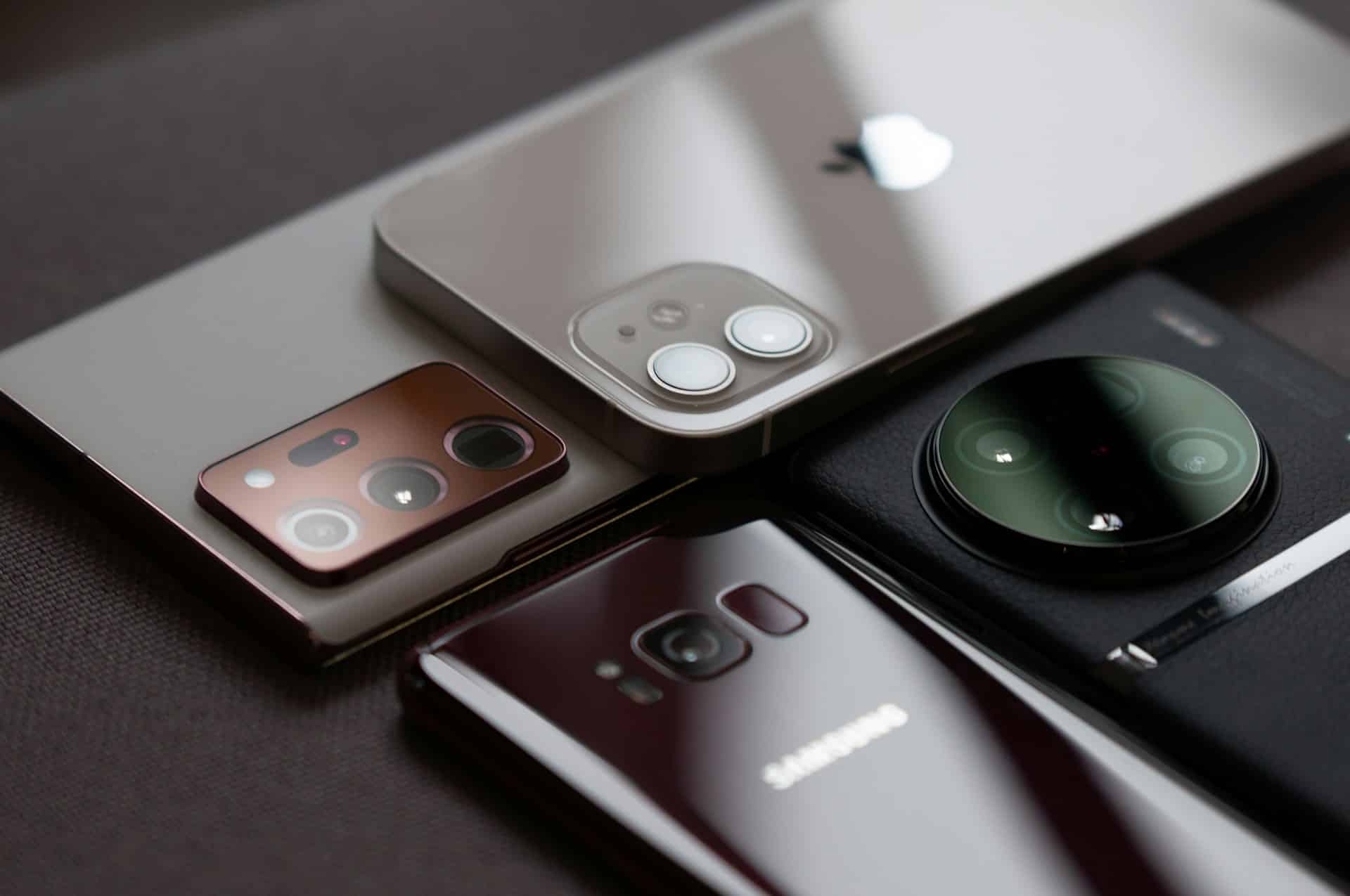

Smartphones now dominate how people shop, bank, and connect online. With mobile use outpacing desktop, businesses are shifting to mobile-first strategies to keep up. This article looks at why mobile users are now the priority and what that shift means for digital engagement going forward.
Why Mobile-First is No Longer Optional
The UK has seen a major shift to mobile, with over 90% of adults owning a smartphone and more than half of web traffic coming from mobile devices. From shopping to travel, mobile is now the default way to get things done. For UK businesses, mobile-first design isn’t optional; it’s expected.
This means more than just a responsive site. It’s about fast loading, thumb-friendly layouts, vertical scrolling, and easy navigation. In a crowded digital space, strong mobile performance drives conversions and keeps customers coming back.
Entertainment and Gaming on the Go
Entertainment platforms have seen a massive shift towards mobile consumption. Streaming services, social video apps, and mobile games are designed specifically for handheld experiences. Companies like Netflix, TikTok, and Spotify optimise performance and functionality based on device type and bandwidth availability.
Mobile gaming, in particular, has become a juggernaut. From casual puzzle games to competitive esports, mobile platforms now dominate global gaming revenue. Developers build with mobile-first architecture, often releasing updates and features tailored to how players interact with their devices. Even online casinos have followed suit, offering mobile-responsive designs and app-based play with features like biometric login and quick deposit tools. For those curious about mobile-friendly platforms that deliver real value, many are now asking which online casino has the best payouts, a key consideration for players who want both convenience and strong returns. These top-performing sites often stand out by offering quick payouts, flexible transaction methods, and a host of player-focused perks. From welcome rewards and cashback deals to free bets and VIP bonuses, they’re designed to make every session feel more rewarding, whether you’re playing on the train, at home, or anywhere in between.
As entertainment continues to evolve around our mobile habits, these all-in-one gaming platforms prove that convenience, performance, and player value can go hand in hand, right from the palm of your hand.
Mobile Commerce is Leading the Way
E-commerce has been one of the fastest sectors to embrace mobile-first principles. With apps and mobile-optimised sites, retailers now offer smooth, convenient shopping experiences that are tailored for smaller screens. Features like one-click purchasing, digital wallets, and real-time order tracking are standard expectations.
In regions with high smartphone penetration and limited access to desktop computers, mobile commerce is not just convenient, it’s essential. Businesses that prioritise mobile payments, simple user flows, and social media integration are thriving in these environments. Even traditional retailers are investing heavily in mobile loyalty programs and app-exclusive promotions to boost engagement.
Mobile-First in Finance and Banking
Financial services have also gone mobile-first, with banks, fintech startups, and crypto platforms leading the charge. Digital-only banks are redefining what financial access looks like, especially in areas where traditional infrastructure is lacking. Mobile banking apps now include features such as instant transfers, mobile check deposits, spending analytics, and even investment tools.
This accessibility has also extended into the online casino world, where players expect fast, mobile-friendly payment methods, instant verification, and secure deposits. Many platforms now cater to mobile-first users by integrating Apple Pay, Google Pay, and other frictionless payment options directly into their mobile sites and apps.
Content, Marketing, and Social Integration
Marketing strategies have transformed to suit mobile-first consumption habits. Content is created with the small screen in mind, vertical video, tappable ads, and bite-sized posts dominate the space. Platforms like Instagram Reels, YouTube Shorts, and Snapchat are leading this movement, pushing brands to adapt creatively.
Mobile-first campaigns use geolocation, push notifications, and SMS to reach audiences with hyper-personalised offers. Businesses also take advantage of mobile behaviour data to refine targeting and enhance user experience. The result is faster feedback loops and more efficient customer acquisition.
Challenges and Opportunities Ahead
While going mobile-first brings significant advantages, it also comes with challenges. Optimising for mobile requires investment in design, development, and continuous user testing. Security is another priority, as mobile platforms can be more vulnerable to phishing and data breaches without robust protection measures.
However, the benefits of a mobile-first strategy far outweigh the hurdles. Businesses that embrace this shift gain access to wider audiences, increased engagement, and the agility to respond quickly to market trends. As emerging technologies like 5G and foldable screens continue to evolve, the mobile experience is only set to improve.
Conclusion
Mobile-first is no longer a trend, it’s a requirement in a world where smartphones are central to how people work, play, and connect. Whether it’s through faster e-commerce checkouts, on-the-go entertainment, mobile banking, or personalised content, businesses that prioritise smartphone users are setting themselves up for long-term success. The key is not just adapting to mobile, but innovating with it at the core of every digital decision.
