
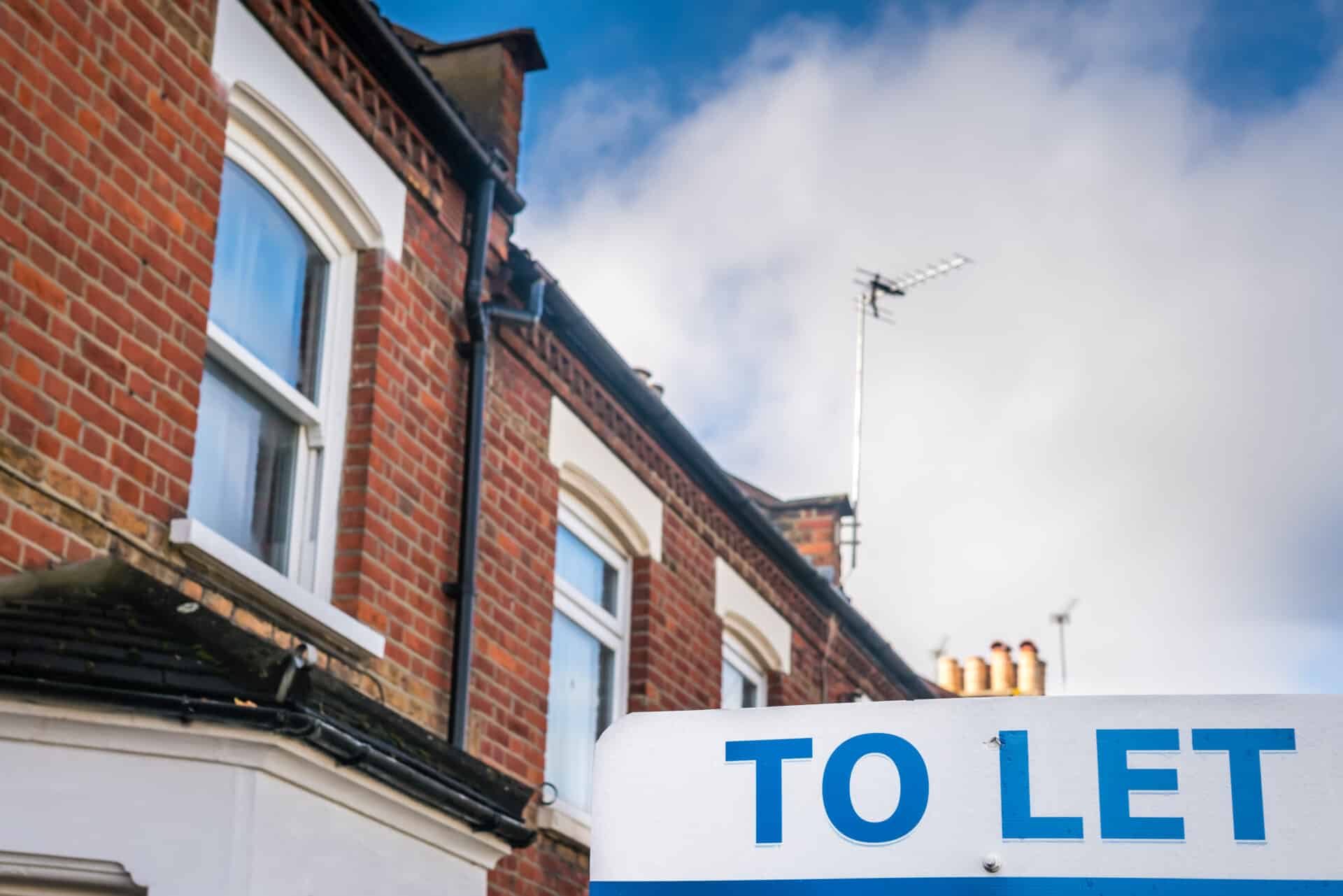

The rental market continues to evolve with noteworthy financial dynamics.
- Average buy-to-let yields increased to 6.72% in Q3 2024, reflecting a sustained upward trend.
- Key regions like the North of England and Wales outperformed others with above-average yields.
- Different property types, including multi-occupancy houses, delivered varied yield outcomes.
- Market experts highlight ongoing shifts in rental demands and property value dynamics.
In the third quarter of 2024, average buy-to-let yields reached 6.72%. This marks a slight rise from the previous quarter’s 6.69% and a notable increase from 6.48% a year earlier, according to Paragon Bank data.
The rise in yields is attributed to relatively stable house price inflation and increasing rental prices, driven by a limited rental stock. The average buy-to-let property was valued at £343,356, generating an annual rental income of £23,076.
Houses in multiple occupation offered the highest yields at 8.34%, while freehold blocks achieved 6.66%. On the other hand, flats and terraced houses reported yields of 6.02% and 5.94%, respectively.
Regionally, landlords in the North of England experienced the highest yields at 8.02%, with Wales close behind at 7.95%. In contrast, Greater London saw the lowest yields at 5.52%, underscoring regional variations in the housing market.
Russell Anderson of Paragon Bank remarked on the improving yield performance over the past 18 months, noting that the strong demand for rental properties has driven rental prices higher.
He also noted that higher yields are often associated with more complex buy-to-let propositions, although simpler property types like flats and terraced houses can also provide strong returns.
Anderson emphasised that yield performance on existing properties might be better than new offers due to prolonged growth in house prices and rental values. He added insights on factors like property financing, capital gains, and improvements impacting landlords’ returns.
The continued rise in buy-to-let yields reflects shifting dynamics in the rental property market, influenced by stabilised house prices and robust rental demand.

