
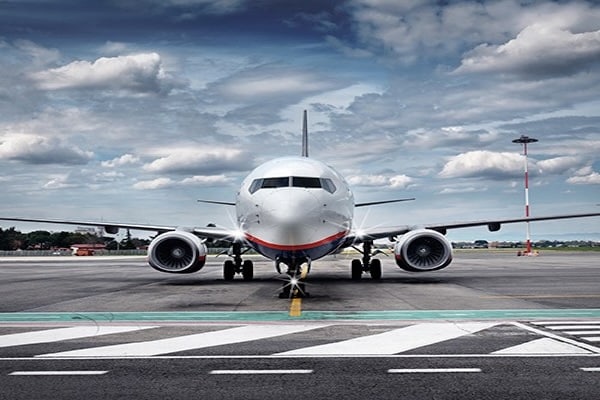

The month of October saw an unprecedented increase in airfares, reaching levels not seen since 2001. This rise is attributed to a variety of economic factors, particularly the surge in UK inflation. While airfares typically decrease in October, this year defied expectations. Such trends indicate a shifting landscape within the travel industry, with key drivers originating from European routes.
The Office for National Statistics highlighted a notable hike in the Consumer Prices Index, jumping to 2.3% annually by October. This was a noticeable increase from the preceding month’s rate of 1.7%. Core contributing factors included escalating housing costs, notably in gas and electricity, alongside increased transport and furniture expenses. The data paints a clear picture of inflationary pressures affecting various sectors.
Historical Context and Recent Developments
October 2024 witnessed the highest rise in airfares since 2001, with a 6.3% increase from the previous month. Traditionally, this period sees a decline in prices; however, current economic conditions have shifted this trend. The need for travel amidst rising costs of living presents a unique challenge for consumers.
Inflationary Pressures
The leap in airfares coincides with a 2.3% increase in the Consumer Prices Index from the previous year. This marks a significant inflationary acceleration from September’s 1.7%. Housing costs, particularly those involving energy, have surged, driving overall inflation higher. Meanwhile, the recreation sector continues to provide some relief through its declining inflation rates.
Transportation Sector Impacts
The transportation sector has felt the brunt of these changes, with notable price increases in second-hand cars and air travel. In contrast, fuel prices have somewhat offset these increases, with a decrease in motor fuel costs observed. However, the overall effect is a clear upward pressure on travel-related expenses, complicating consumer decisions.
Despite fuel price relief, consumers face increasing costs in other transport areas, such as airfares and vehicle purchases. Adjusting to this environment requires strategic planning from both individuals and the industry.
Airfare Dynamics
Airfare movements in October were unexpected, with a 6.3% monthly increase being the highest since data collection began in 2001. A reversal from the 5.4% drop observed in October 2023, this shift highlights volatility in pricing. The predominant rise in European fares significantly contributed to this pattern.
With European routes driving recent increases, travellers may need to reconsider their travel plans or seek alternatives to mitigate costs. Industry stakeholders are closely monitoring these developments to forecast further changes.
Contributing Economic Factors
Several economic influences have led to the surge in October airfares. Among them, the most noteworthy are the climbing costs associated with housing and household energy. These elements have compounded to elevate the general Consumer Prices Index, exerting influence over airfare volatility.
Despite sector-specific downturns, notably in leisure, other areas exhibit upward price movements, which collectively fuel inflation.
European Impact
European airfares emerged as a pivotal factor in the October price increases. This sector’s dynamics reflect broader economic stresses observed in transportation costs. With the European market being prominent in travel routes, these shifts are felt widely among travellers.
Given these economic conditions, stakeholders within the industry are urged to develop adaptive strategies to manage ongoing pricing challenges and future market disruptions.
Confronting Economic Realities
Consumers are navigating a challenging landscape where prices are unpredictable and inflation persists. The notable increase in airfares places additional financial burdens on individuals planning their travel. Cost management becomes crucial for maintaining affordability amidst these economic shifts.
This ever-changing economic environment necessitates adaptive strategies from industry players and consumers who seek to balance cost with travel needs.
Transportation Alternatives
In light of the airfare surge, exploring alternative transportation methods becomes increasingly relevant. Options such as train and bus travel may offer more predictable pricing and less volatility compared to air travel, thus attracting price-sensitive consumers.
Those seeking to balance economic and environmental concerns may find these alternatives appealing, offering both financial and sustainable benefits over time.
Economic Outlook
Amidst these financial challenges, the economic forecast remains mixed. Analysts anticipate that ongoing inflationary pressures will continue to shape consumer pricing experiences. However, some predict potential stabilisation if energy costs plateau.
Industry experts stress the importance of readiness and flexibility in response to these ever-evolving economic conditions.
Consumer Response
In response to the hike in airfares, consumers are employing diverse strategies to manage travel budgets. This includes adapting travel plans, seeking alternate routes, or deferring trips to more economically favourable times.
These consumer behaviours are illustrative of resilience in the face of mounting economic pressures, offering insights into future travel patterns and preferences.
The rise in October airfares signifies a major turning point impacted by broader economic forces. With fluctuating costs challenging both consumers and the industry, adaptive strategies remain essential for navigating these complex financial dynamics.

