
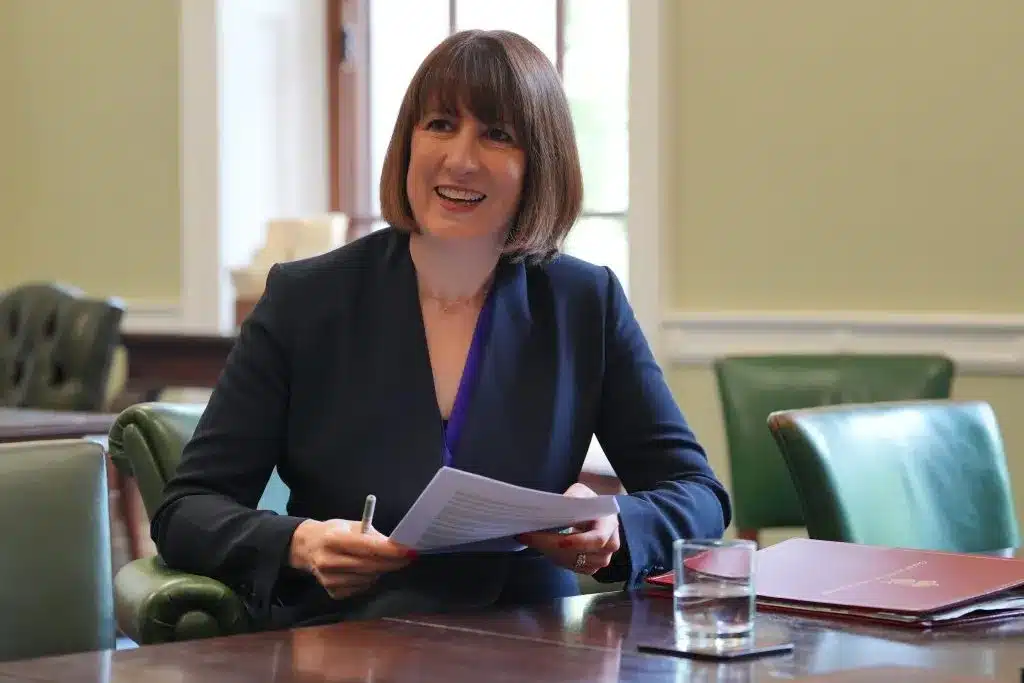

Major retailers express concerns over the recent Autumn Budget, highlighting potential negative outcomes.
- Chancellor Rachel Reeves announced an increase in National Insurance contributions from employers, leading to significant worry among retail leaders.
- A collective of nearly 80 retail executives, including key figures from Marks & Spencer and H&M, penned a letter emphasizing possible economic repercussions.
- The British Retail Consortium warns of cost increases totalling up to £7bn annually due to budget changes.
- Retailers have requested dialogue with government officials to mitigate the budget’s perceived adverse effects.
The recent changes in the Autumn Budget, particularly the rise in National Insurance contributions from 13.8% to 15% for employers, have been met with concern by significant players in the retail sector. Rachel Reeves, the Chancellor, admitted this was a tough decision. However, the heavy impact is most keenly felt by retailers, who foresee unavoidable job losses and rising prices as a direct result. This concern is further elaborated in a letter signed by almost 80 top retail executives.
Prominent figures such as AllSaints CEO Peter Wood, H&M CEO Henrik Nordvall, JD Sports Group CEO Regis Schultz, and M&S CEO Stuart Machin have joined the chorus of voices calling attention to the budget’s implications on the retail industry. The letter, facilitated by the British Retail Consortium (BRC), expresses apprehensions about the impending economic challenges, stating that the industry could face up to £7bn in additional costs annually.
The discourse within the letter does not dismiss the government’s efforts to fortify fiscal health and support public services, but troubles arise when assessing the rate and volume of new financial obligations imposed on retailers. It is noted that the retail sector, along with hospitality, is already overwhelmed by heavy taxation, contributing 55% of profits in taxes.
The BRC’s letter highlights the unsustainable nature of absorbing sudden, significant cost increases. For retailers—regardless of size—adapting quickly to such financial shifts could lead to heightened inflation, restricted wage growth, and potential shutdowns of stores, particularly affecting entry-level employment. The repercussions are expected to extend across all regions, disrupting high streets and impacting consumers who rely on these services.
The retail leaders have sought a meeting with Chancellor Reeves to deliberate on possible adjustments to the Budget measures. Suggestions include phasing the introduction of new National Insurance thresholds, delaying packaging levies, and revisiting business rate proposals. The goal is to enable businesses to acclimate to these changes, thereby lessening their negative impact.
The future of the retail sector depends significantly on the government’s willingness to engage with industry leaders and adapt the proposed budgetary measures.

