

The University of Sunderland researchers support Sir Chris Hoy’s advocacy for enhanced prostate cancer screening among high-risk groups.
- Sir Chris Hoy, an Olympic legend, urges younger men, especially those with family histories of prostate cancer, to pursue early screenings.
- Studies reveal Black men face higher risks with prostate cancer, prompting targeted awareness initiatives in communities.
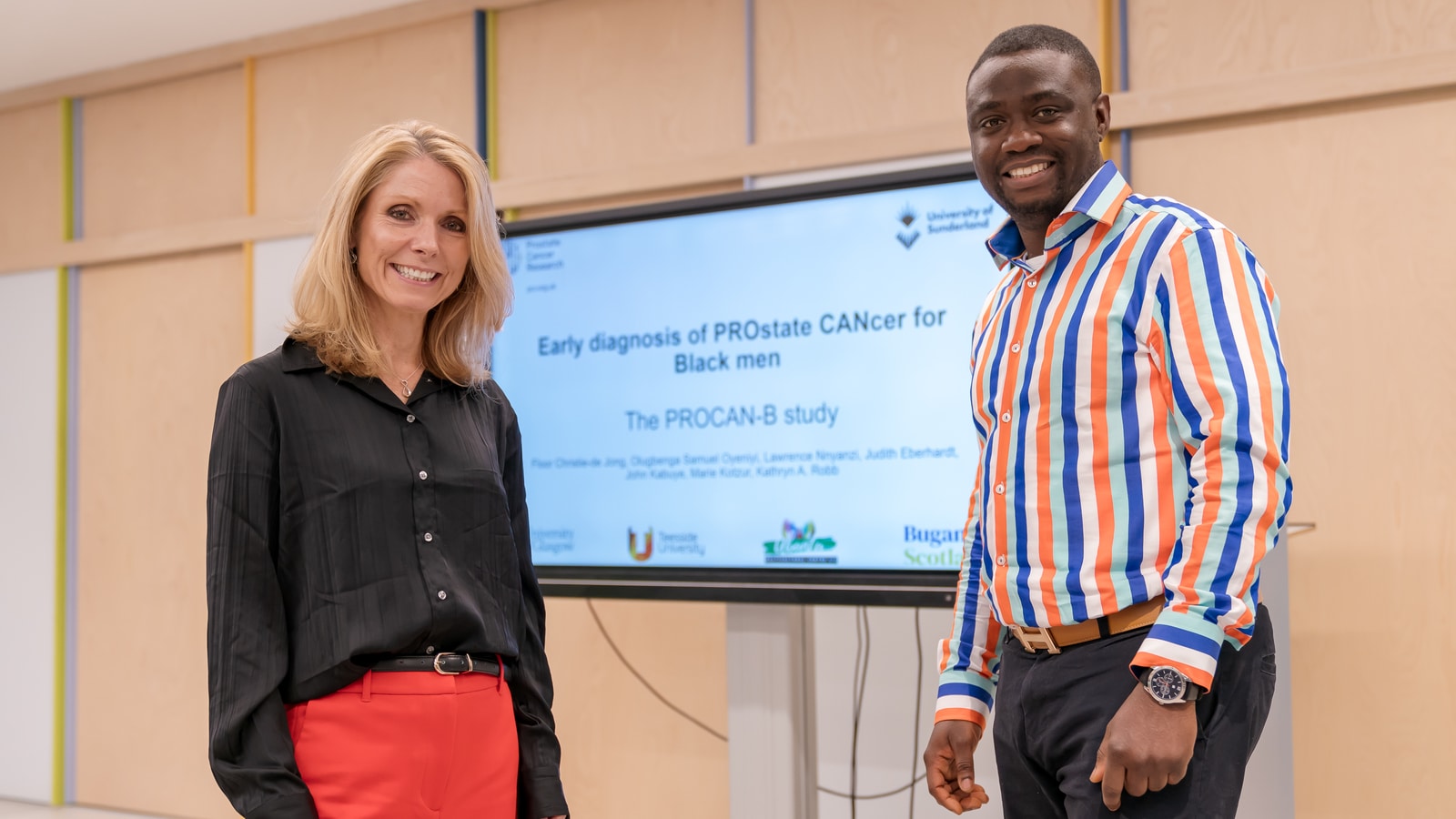
- A funded research initiative, PROCAN-B, seeks to address disparities in prostate cancer diagnoses and treatments.
- Recent workshops show promising results, enhancing knowledge and confidence among Black men regarding prostate cancer care.
In a significant show of solidarity, University of Sunderland researchers have rallied alongside Sir Chris Hoy to advocate for increased prostate cancer screenings for men identified as high-risk. Sir Chris Hoy, a celebrated Olympic figure now facing terminal cancer, stresses the importance of early detection, especially for men with familial cancer histories, urging them to consult with GPs for routine blood tests, potentially before reaching 50 years of age.
Current collaborations between Sunderland researchers and Black communities in the North East and Scotland have been ongoing for two years, aiming to boost awareness about prostate cancer. This initiative underscores the critical nature of early intervention and dissects barriers preventing timely medical consultations. The prevalence of prostate cancer in the UK identifies it as the leading cancer among men, with particularly severe implications for Black African, Caribbean, and Black British populations. These groups are twice as likely to receive diagnoses and face a 2.5 times greater mortality rate compared to their white counterparts.
The project’s substantial funding of £157,688 was facilitated through Prostate Cancer Research’s programme targeting racial disparity in healthcare. A recent event at the House of Commons further spotlighted the introduction of new data supporting national screening benefits for those at elevated risk. Dr Floor Christie-de Jong, leading the research, expressed unequivocal support for the screening initiative, noting its potential to save lives and rectify existing health inequalities.
Initial stages of the PROCAN-B study involved consultations with 13 Black men from the North East and Scotland to unravel the challenges in seeking medical advice for prostate cancer. Key issues identified were the lack of risk awareness, discomfort in discussing private health matters, and prior negative healthcare experiences, including racial bias. These insights informed the creation of specialised workshops led by and for Black men, integrating small group dialogues, insights from a Black GP, and impactful narratives from prostate cancer survivors and community leaders.
Over 60 participants engaged in these workshops, which have demonstrated significant enhancements in knowledge and self-assuredness concerning prostate cancer screenings. Descriptions of the workshops as ‘eye-opening’ by attendees reflect their effectiveness, especially the powerful testimonies from survivors, which profoundly resonated with participants. Feedback revealed an increased willingness among attendees to proactively engage in health screenings.
Dr Christie-de Jong emphasised the PROCAN-B project’s broader ambitions to diminish health inequalities by elevating prostate cancer awareness within at-risk demographics, such as Black men. The initiative aims to empower communities by directly involving them in these endeavours, fostering improved access to essential health information and support resources.
This collaborative effort between Sunderland researchers, Teesside University, the University of Glasgow, and the Ubuntu Multicultural Centre epitomises the commitment to transformative public health research, supported in part by Fuse, the Centre for Translational Research in Public Health.
Empowering high-risk communities through education and proactive health screenings marks a vital step in combating prostate cancer disparities.

