
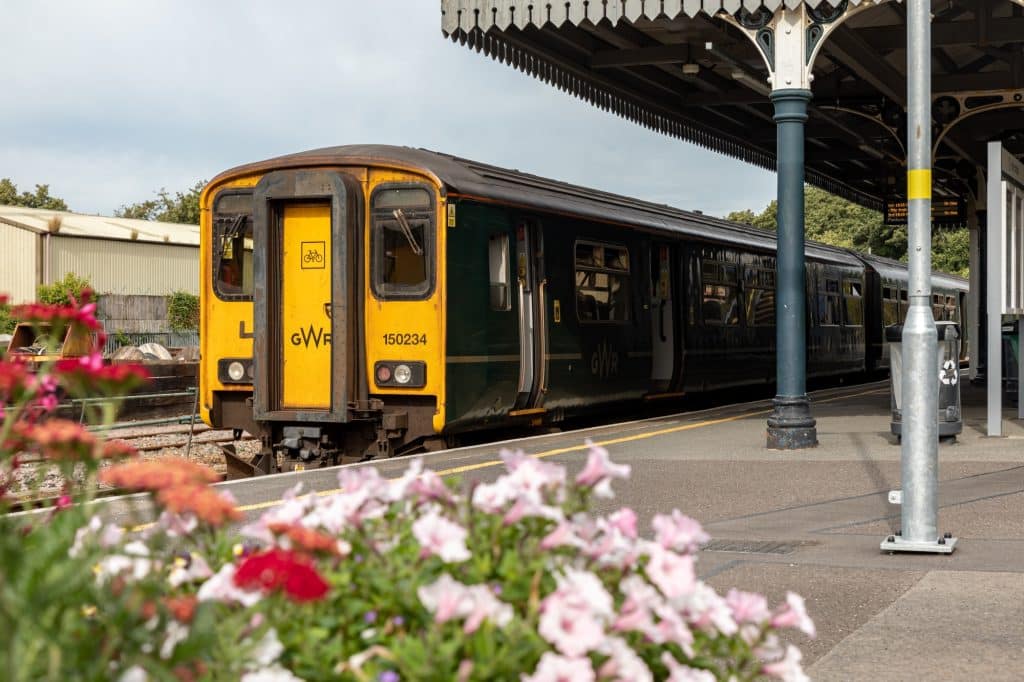

The Mid Cornwall Metro project is a £56.8 million rail initiative set to begin construction, enhancing regional connectivity with new train services.
- Initial engineering work starts on 18 November, focusing on laying new track into Newquay station.
- The project is supported by nearly £50 million from the government’s Levelling Up Fund, along with contributions from Cornwall Council.
- Network Rail, in collaboration with several partners, will double train service frequency, benefitting passengers by 2025.
- Infrastructure upgrades include a new platform, improved payment systems, and enhanced accessibility, supporting sustainable travel.
Beginning on 18 November, the Mid Cornwall Metro project marks a significant step in enhancing the region’s rail connectivity. The initial phase includes laying new tracks into Newquay station, supported by substantial government investment through the Levelling Up Fund and contributions from Cornwall Council. By upgrading infrastructure, the project aims to connect Newquay, St Austell, Truro, and Falmouth directly, improving local transport facilities.
In collaboration with Network Rail, Cornwall Council, Great Western Railway (GWR), and designer Aecom, the initiative is set to transform rail services. Passengers can look forward to increased service frequency with a new train arriving every hour between Newquay and Par, effective from summer 2025. This improvement will introduce approximately 700,000 additional seats annually, accommodating both locals and tourists.
The development of a second platform at Newquay station is a key component of the initial works. This not only facilitates the increased train frequency but also sets the stage for further enhancements. The upcoming phase will see a new passing loop constructed at Tregoss Moor, due next spring, allowing simultaneous operation of local and long-distance trains.
By 2026, the project aims to offer direct services from Newquay to Falmouth, connecting via Par, St Austell, and Truro. This offers a comprehensive upgrade to the existing infrastructure, aligning with broader sustainability goals. Additionally, advancements such as tap-on, tap-off payment systems and improved access for walking and cycling will modernise travel options in Cornwall.
The project’s ambitious goals reflect its importance to the region’s economic growth and environmental sustainability. As Cornwall Council’s Connor Donnithorne notes, it promises significant benefits for residents, enhancing economic, health, and wellbeing prospects. Meanwhile, GWR advises passengers to remain informed about longer journey times during the track work, as alternative travel arrangements are in place.
The Mid Cornwall Metro project is poised to revolutionise regional rail services, promoting accessibility and sustainable travel by 2026.

