
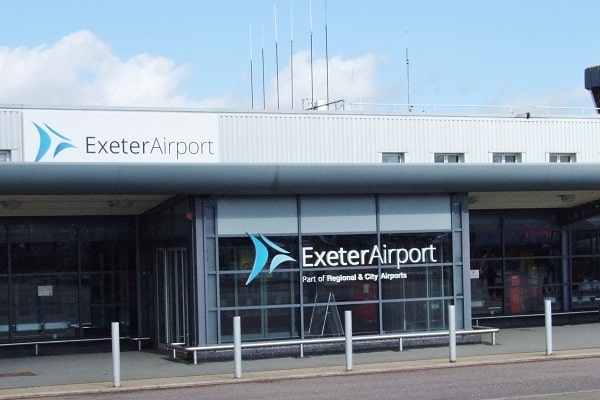

Exeter Airport reported a significant 5% increase in summer passenger numbers, elevating total travellers to almost 338,000 between April and October. This surge marks a promising recovery trajectory post-pandemic.
Aiding this growth was the introduction of Ryanair’s Palma service. The airport is keenly preparing for further expansion in 2025, driven by Tui’s plan to base a second aircraft. This expansion is predicted to add 80,000 seats, broadening destination offerings and reinforcing Exeter as a regional travel hub.
Airport Growth Initiatives
Exeter Airport experienced a remarkable growth in passenger numbers this summer, recording a 5% increase, bringing the total to nearly 338,000 passengers between April and October. A significant addition to this growth was the introduction of a new Palma service by Ryanair. August marked the busiest month, with almost 57,000 passengers flocking through the doors.
The airport is gearing up for an exciting expansion in 2025. Tui is leading this growth by planning to base a second aircraft at Exeter, which will significantly increase capacity. This expansion is projected to add 80,000 new seats, offering more flights to popular destinations, including the Canaries, Greek islands, Turkey, and a novel route to Ibiza. Travellers can expect a wider choice in travel options, enhancing Exeter’s reputation as a key gateway in the region.
Financial Performance and Recovery
After facing challenging times during the pandemic, Exeter Airport made a financial comeback, returning to profit in the year ending March. The profit, exceeding £1 million, represented a substantial turnaround of £2 million from the previous year’s figures.
Passenger numbers rose to 435,000, reflecting an 8% increase from the previous count of 402,000. This growth is a testament to the airport’s successful recovery strategies and its ability to attract more passengers.
Exeter’s operator, Regional & City Airports, also noted remarkable growth, managing Bournemouth and Norwich airports alongside Exeter. The group reported nearly 1.5 million passengers during the summer, indicating a 13.4% increase compared to the previous year.
Statements from Leadership
Airport Managing Director Stephen Wiltshire expressed pride in the continued growth, emphasizing the staff’s dedication and the airport’s attractiveness as a convenient travel hub.
“The ongoing rise in passenger numbers highlights the persistent efforts of our team and the strategic advantage of Exeter Airport as a vital link to 25 UK and international destinations,” Wiltshire stated.
He also highlighted the anticipation surrounding Tui’s additional aircraft, which promises to enhance local travel options significantly.
Exeter Airport stands poised to expand its offerings, providing more choices to its community, strengthening its position within the regional travel network.
Future Prospects for Exeter Airport
The upcoming year presents exciting opportunities for Exeter Airport. With the commitment from Tui to introduce additional routes and expand seat availability, the airport anticipates further strength in its passenger numbers.
This expansion is not only about increasing numbers but also improving service breadth. Destinations like Ibiza bring variety, while increased services to the Greek islands promise to attract sun-seekers.
As Exeter evolves, it expects to serve as an increasingly crucial node in the regional air travel industry. This growth is set to benefit both the airport and the surrounding communities, boosting local economies and travel accessibility.
Comparison with Other Regional Airports
Exeter Airport’s growth reflects a broader trend seen across other regional airports operated by Regional & City Airports, such as Bournemouth and Norwich. This group collectively saw a 13.4% increase in passengers, indicating a healthy demand for regional travel solutions.
While Exeter’s growth figures are impressive, they form part of a larger success story for the group, which is experiencing an upward trajectory in the regional aviation sector.
The rise in passenger numbers across these airports underscores the group’s effective management and strategic positioning within the UK aviation market. It suggests a well-coordinated effort in enhancing regional connectivity and travel options.
Challenges and Adaptations Post-Pandemic
The pandemic posed significant challenges to airports worldwide, and Exeter was no exception. However, the airport’s swift recovery demonstrates resilience and adaptability.
Thanks to strategic initiatives and robust recovery measures, Exeter Airport managed to surpass pre-pandemic performance levels.
The airport’s ability to rebound swiftly has served as a model for similar regional airports striving to recover and thrive in the post-pandemic travel landscape.
Exeter’s approach to overcoming these barriers has been commendable, setting a precedent in the industry’s recovery efforts.
Community and Economic Impact
Exeter Airport’s expansion plans are expected to not only increase the number of flights but also bolster the local economy through job creation and other economic benefits.
The development is poised to enhance the airport’s role as a vital economic engine in the region. Increasing traveller numbers is anticipated to drive growth in local tourism and business travel.
Local residents and businesses stand to gain from this growth, with more accessible routes to popular destinations fueling an interconnected community.
The airport’s growth strategy aligns with regional development goals, promising a symbiotic relationship with the broader community.
Exeter Airport’s growth highlights its strategic initiatives and promising future. With increased capacity and new routes on the horizon, the airport is poised to strengthen its role as a central travel hub, benefitting both the region and travellers alike.
