
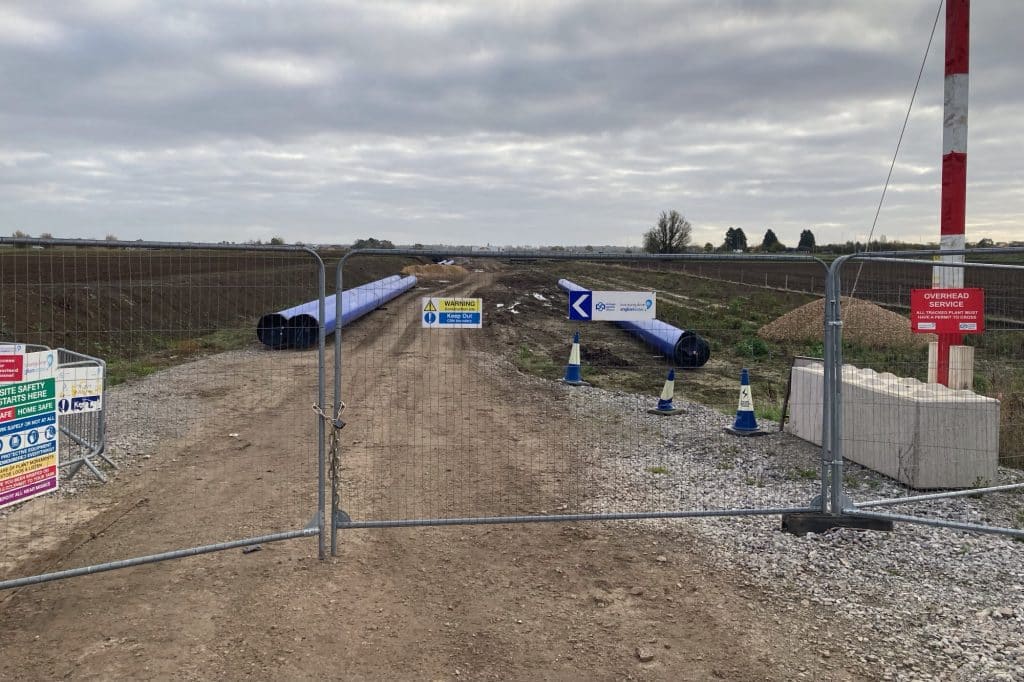

Anglian Water’s significant pipeline project has been postponed until 2027 due to multiple challenges. The project is crucial for environmental and infrastructure improvements in the region.
- Challenges such as steel supply issues, adverse weather, and the pandemic have severely impacted the project timeline.
- Communities along the pipeline route, particularly between Grantham and Downham Market, have been directly notified of the delay.
- Concerns rise about the financial implications for landowners and potential cost impacts on Anglian Water customers.
- Despite setbacks, Anglian Water remains committed to project completion, promising compensation for affected landowners.
Anglian Water’s expansive pipeline project, described as its most ambitious infrastructure endeavour, has encountered significant setbacks, resulting in a delay until summer 2027. Originally set to stretch 330km from Elsham to Ipswich, this £500 million project forms part of a strategic initiative intended to substantially enhance water supply infrastructure across the region.
The delay arises from a convergence of challenges, notably global steel shortages exacerbated by the war in Ukraine, record-breaking wet weather, and initial disruptions due to the pandemic. These issues have compounded to halt progress across critical sections, notably between Grantham and Downham Market.
Notifications regarding the delay have been formally communicated to residents and landowners affected by the pause in construction. David Whiles, a former Environment Agency advisor and resident of Peterborough, voiced concerns about the financial burden of the project’s dormancy, including easement, security, and site maintenance costs, which he fears might trickle down to consumers.
In response to these concerns, Anglian Water has assured that affected landowners will receive proper compensation under the Water Industry Act 1991. The company maintains its firm commitment to the project’s completion, underscoring the pipeline’s importance in ensuring sustainable water distribution from wetter to drier areas. This infrastructure aims to enhance regional resilience against water shortages.
Despite the pause, Anglian Water has expressed its intention to mitigate delays by engaging in discussions with stakeholders. Additionally, plans for further infrastructure developments, such as the Fens and Lincolnshire reservoir projects, signal continued investment in long-term water management solutions.
Once operational, the strategic pipeline will facilitate the transfer of 265 million litres of water daily, bolstering supply reliability and reducing dependence on singular water sources. This project remains pivotal in supporting future growth and safeguarding the region’s environmental health.
The delay in Anglian Water’s strategic pipeline project underscores the complexities and challenges of large-scale infrastructure undertakings, yet commitment to sustainable water management persists.
