
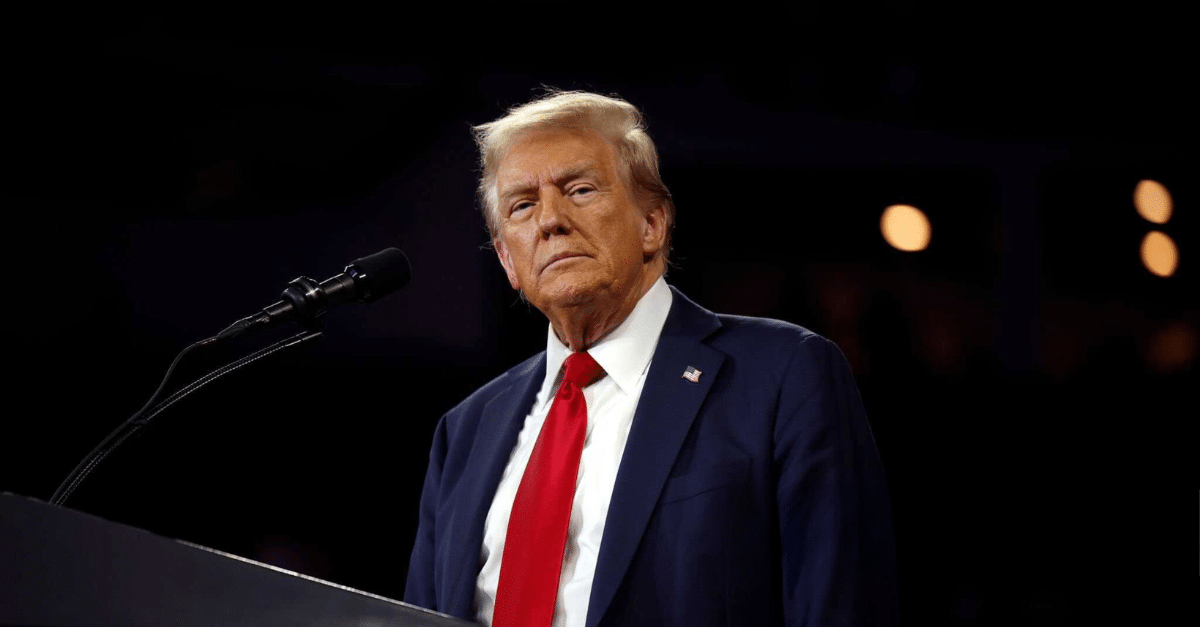

Travel experts predict Donald Trump’s re-election will not significantly affect travel to the US.
- The dollar’s movement is crucial – it impacted holiday costs during Trump’s previous term.
- Barrhead Travel’s Jacqueline Dobson notes a resilient interest in US travel.
- Aito’s Christina Brazier highlights the role of economic policies on exchange rates.
- Value-focused travel remains key, says Ocean Holidays’ Harry Hastings.
The re-election of Donald Trump is expected to have minimal repercussions on travel to the United States, according to industry specialists. Despite potential concerns regarding political transitions, professionals in the field foresee stable travel patterns. Jacqueline Dobson from Barrhead Travel emphasised the necessity to keep a vigilant eye on the dollar’s performance. Historically, the introduction of certain economic strategies has influenced dollar strength, thereby impacting travel expenses.
Experience from Trump’s initial term observed a correlation between his economic proposals and a strengthened US dollar, which subsequently increased holiday costs. This context underlines a critical observation for UK travellers contemplating US destinations: currency fluctuations could alter travel affordability. Christina Brazier from Aito expounded on this, suggesting that the prolonged effect of Trump’s policies would depend heavily upon their impact on exchange rates and overall travel expenditures.
While the broader travel market is anticipated to remain largely unaffected, specific segments could experience pressures. USAirtours’ Guy Novik cautioned about noticeable price rises impacting budget-conscious travellers, particularly as post-pandemic conditions have already seen significant fare increases. He noted, however, that premium offerings have been prioritised while economy options have seen a decline, illustrating a shift in travel dynamics that could discourage lower-end market engagement.
Harry Hastings of Ocean Holidays reiterated the importance of value in consumer decisions, pointing out that previous exchange rate declines exerted more influence on travel demand than any administrative changes. He underscored the continuing appeal of US attractions, such as the reintroduction of Disney’s Dining Plan and the upcoming Universal Epic Universe theme park, which sustain interest despite potential economic deterrents.
Consistent travel interest through the campaign period, as noted by Gary Lewis from The Travel Network Group, suggests a resilient market attitude. Kelly Cookes from The Advantage Travel Partnership also confirmed that American travel remained vigorous throughout political campaigns, despite a dominant dollar. This enduring interest implies that consumers prioritise destination appeal over temporary economic shifts.
The predicted minimal impact of Trump’s re-election on US travel suggests little alteration in consumer interest.
